

PROTECTION THAT PERFORM
No Blowouts. No Rewraps. No Compromise....
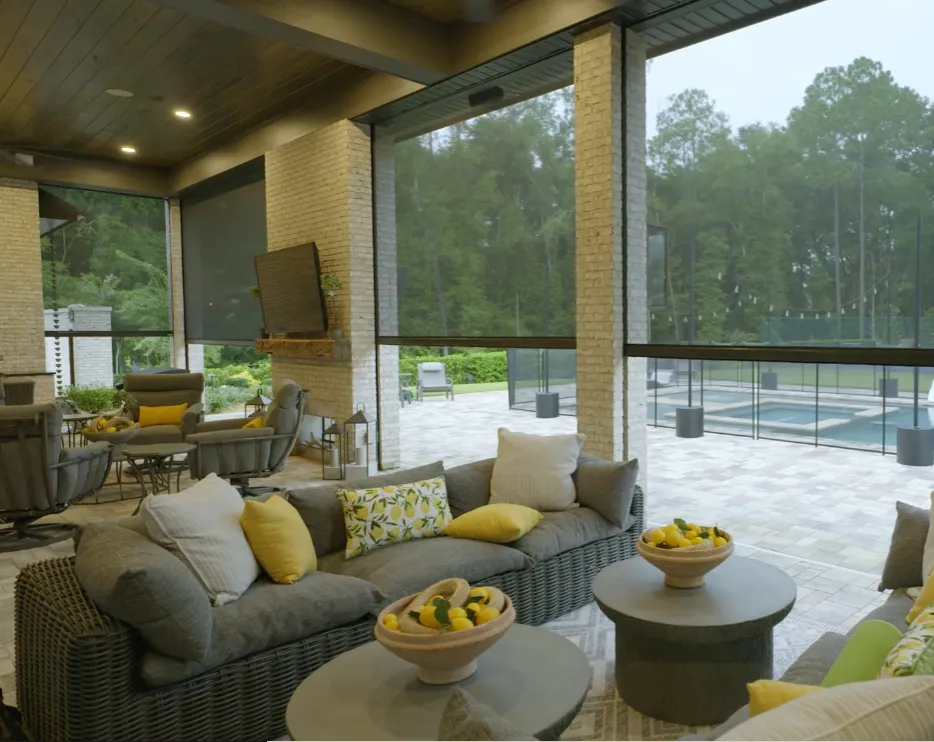
One-Track Retractable Screens are the result of years of real-world testing, research, and engineering refinement. Built to withstand the harshest conditions without sacrificing aesthetics, they offer maximum protection for your patio or lanai with hurricane-rated performance.
Tested, Trusted, Proven, and Never compromised—these screens are built for the long haul:

Contact A+ Certified Screen Dealer Today...
ONE TRACK & FL OUTDOOR
READY FOR LIFE'S STORMS
THE HIGHEST STANDARD
ONE TRACK SCREEN SYSTEMS
Fenetex introduced the patented quiet spring technology, the core of our One-Track system, nearly a decade ago.
We've crafted the perfect self-adjusting screen system that operates beautifully silently when deployed, ensures frustration-free operation, and can be used in almost any weather condition.
While others have experimented with alternative methods to achieve the advantages of our One-Track screens, none have achieved the unique combination of near-silence, ease of operation, affordability, high reliability, and exceptional dependability.
ONE TRACK
Eleminates 99% of Know Service Calls

Self Adjusting Track
One-Track is the only screen on the market that can self correct and auto refeed screen should they become dislouged.

Max Corrosion Protection
Powder Coated Aluminum Protects your investment from exposer and Corrosion.

Heavy-Duty Design
Our screens are designed to withstand the extreme. High wind, Rain, or Shine, Dust Dirt, Dander, it does not matter. MaxForce Cover it all
Contact A+ Certified Screen Dealer Today...
LOCK TIGHT - KEDER TECHNOLOGY.
Good by Zipper Track System
Fenetex was the first in the industry to replace traditional zipper systems with Keder-based side retention technology, setting a new benchmark for strength and reliability. Proven over years of success, this innovation delivers smooth operation, superior wind resistance, and long-term durability
Lock Tight Side Retention
Prevent Screen Hangups
Prevent Jams
Prevent Snaggs
Prevent Rewraps.
Uniques "Lock Tight" Side Retenion Keder System.
The Fenetex Keder is made with a strong Nylon cord wrapped in smooth, slippery fabric, so it can slide into the edge of the screen track and hold tight—just like how sailboats use Keder to attach their sails to the mast. Fenetex was the first to bring this smart technology to retractable screens back in 2007.
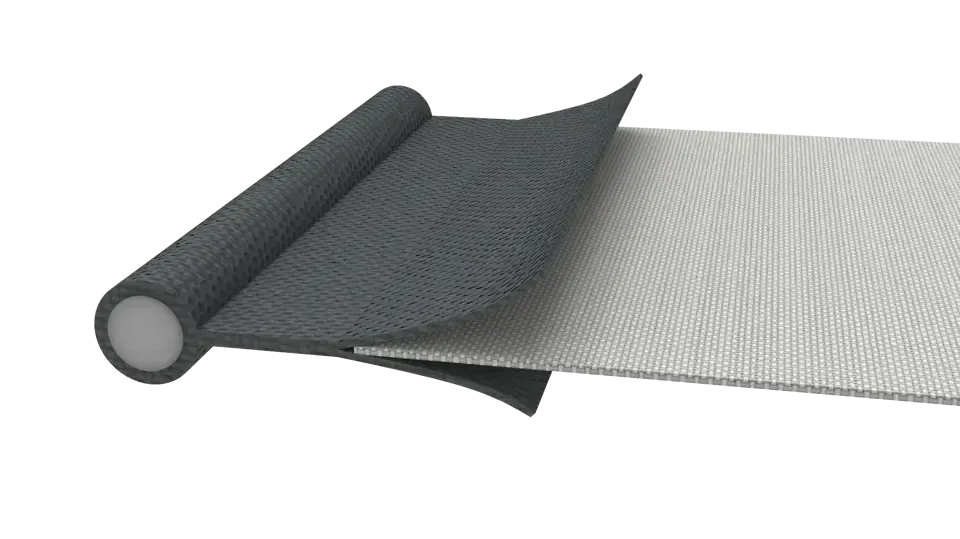
One
A Decade of Refining Keder Performance
We made our Keder system just right by picking the best cord, fabric, and special coatings. After more than 10 years of testing and using it, it works really well and lasts a long time.
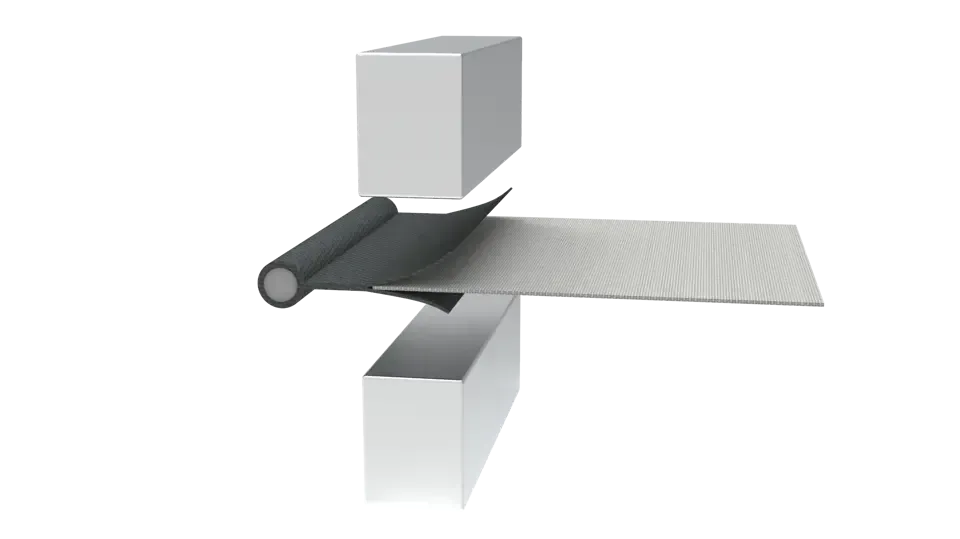
TWO
An Advanced High-Energy Bonding Process
Thenm, the edge of the screen is cut just right and put into the Fenetex keder. Then, two bars—one on top and one on the bottom—press together to start the sticking process.
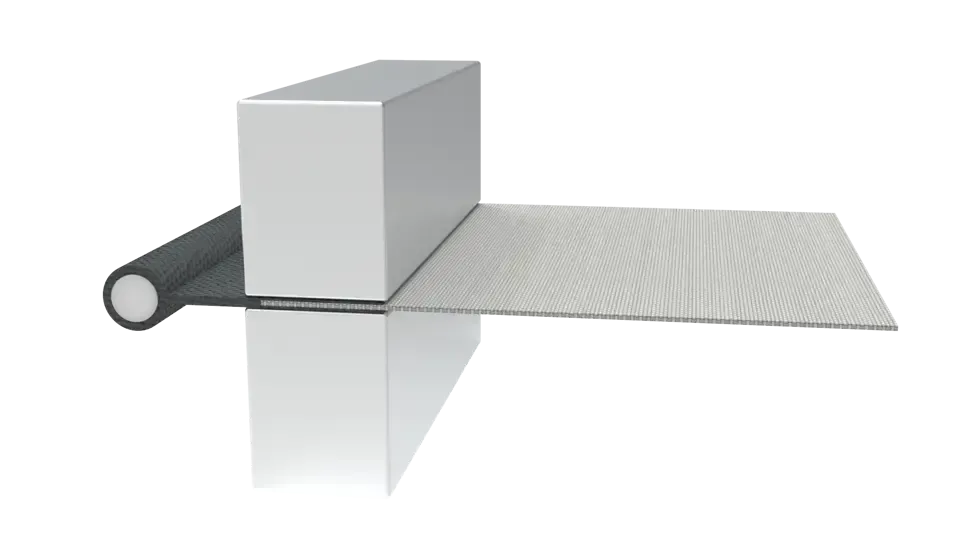
THREE
Molecular-Level Bonding Keder To Screen
After welding, the keder and screen become one solid piece—no zippers, glue, or stitching to fail. It's built to last, and we guarantee it with a lifetime warranty.
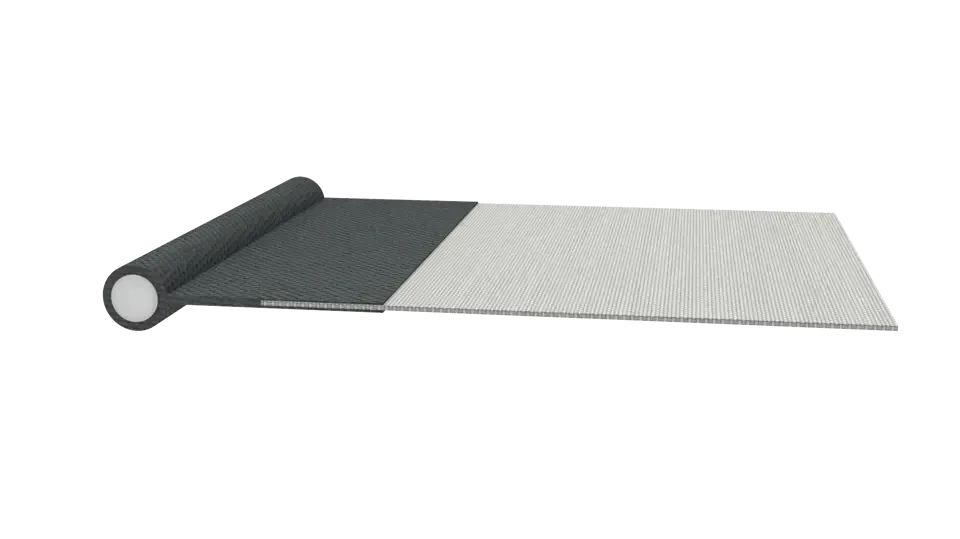
FOUR
Backed By Lifetime Warranty
Last , Once the weld is finished, the keder and screen are fused together for good—no zippers, glue, or stitching to worry about. It's a bond that lasts, which is why we back it with a lifetime warranty.


ADJUSTABLE ABILITY:
Free Floating Track
LOCKS TIGHT
Quite Spring Technology

RATE FOR
100 mph Wind Zone
APPLICATION
Residential and Commercial
Contact A+ Certified Screen Dealer Today...
DESIGNED TO THE NINES
ONE-TRACK FEATURES
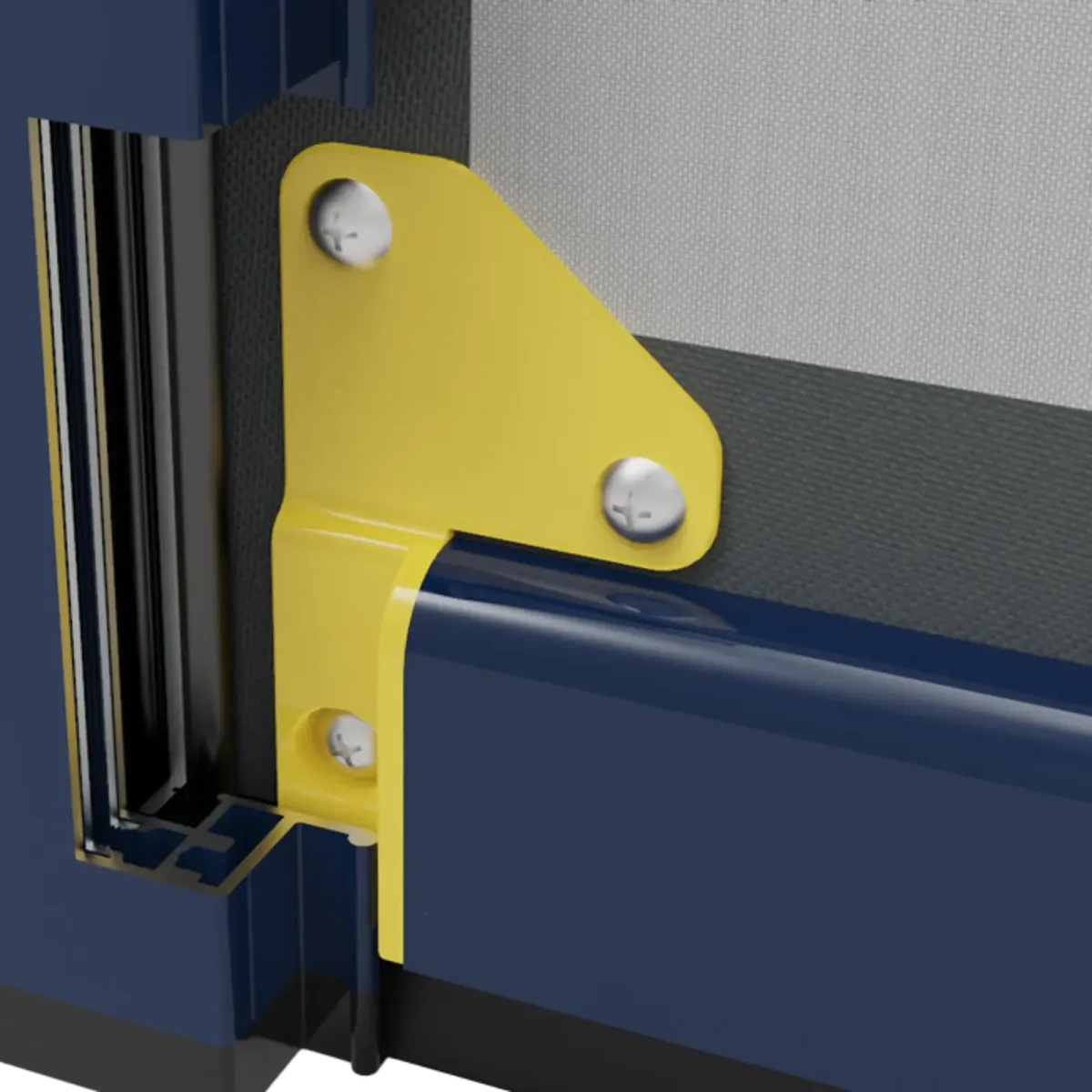
Recognizing that screen wear is most prominent at the corner where the weight bar and screen meet, Fenetex engineers designed a robust and flexible guide made of toughened nylon. This innovative design reinforces the corner connection, extending the screen's lifespan,
.
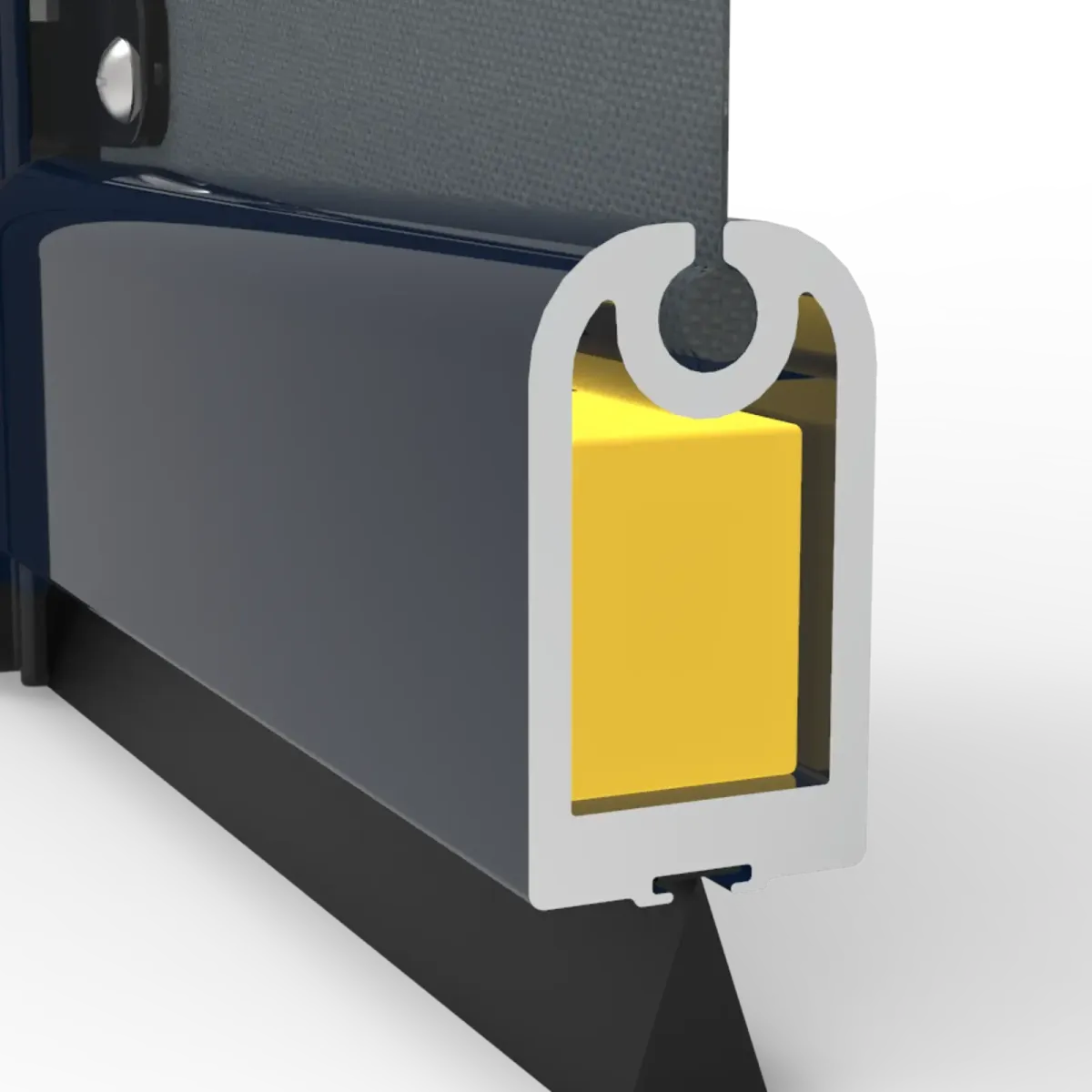
Fenetex offers a well-engineered, low-profile standard weight bar suitable for installations in low-wind areas. When rolled up, it minimizes visibility in storage. For locations with higher wind exposure, a heavier weight bar can be specified as needed.
.
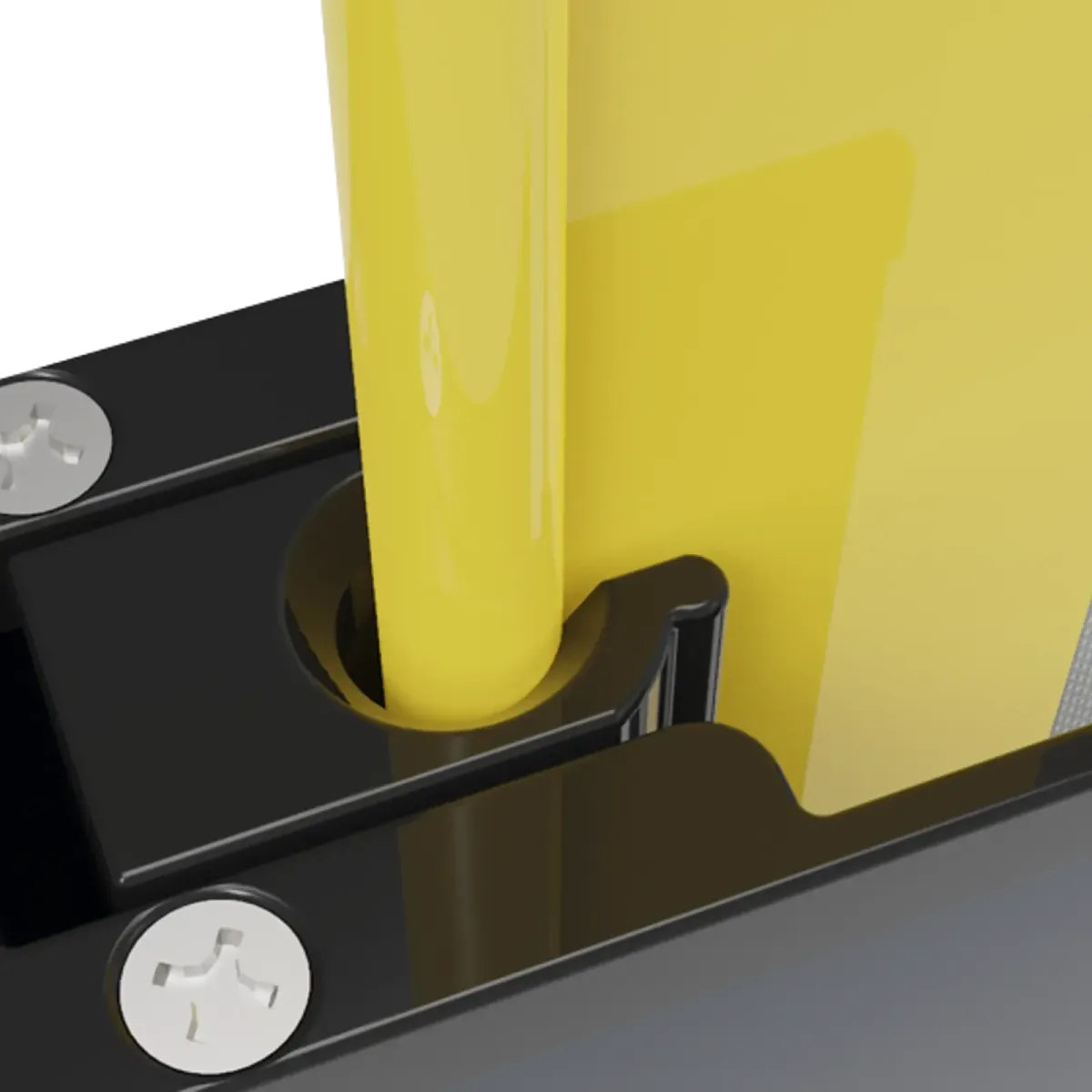
Fenetex, as the first to employ keder-edged screens, opted against zippers, known for potential issues. Keder's smooth, durable design avoids past failures.
.
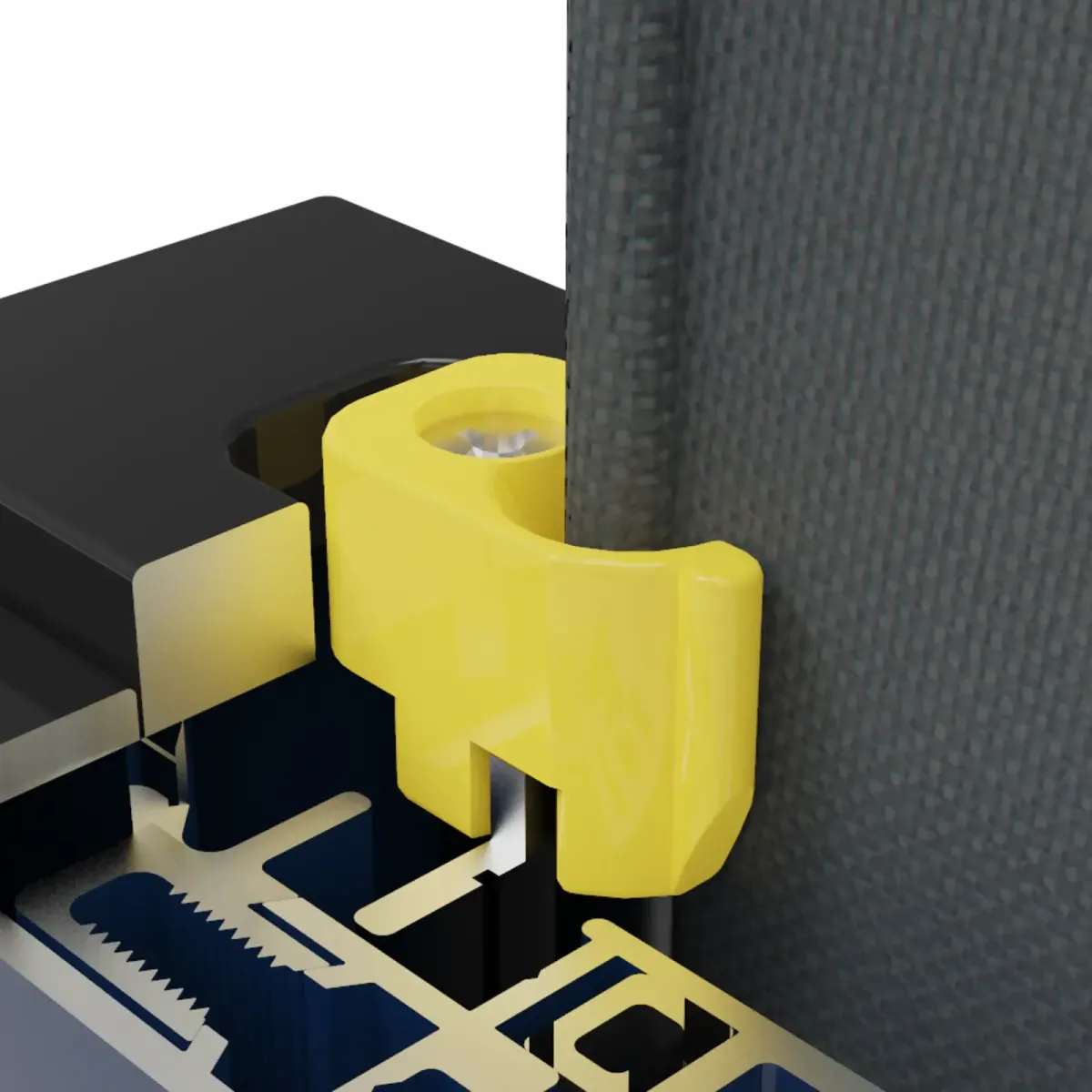
Fenetex retractable screens are designed to never come out of their tracks. The screen pre-feeder facilitates a smooth transition from the reel to the side track. Smart motors instantly halt the downward motion of the screen, preventing it from dislodging from the tracks.
.
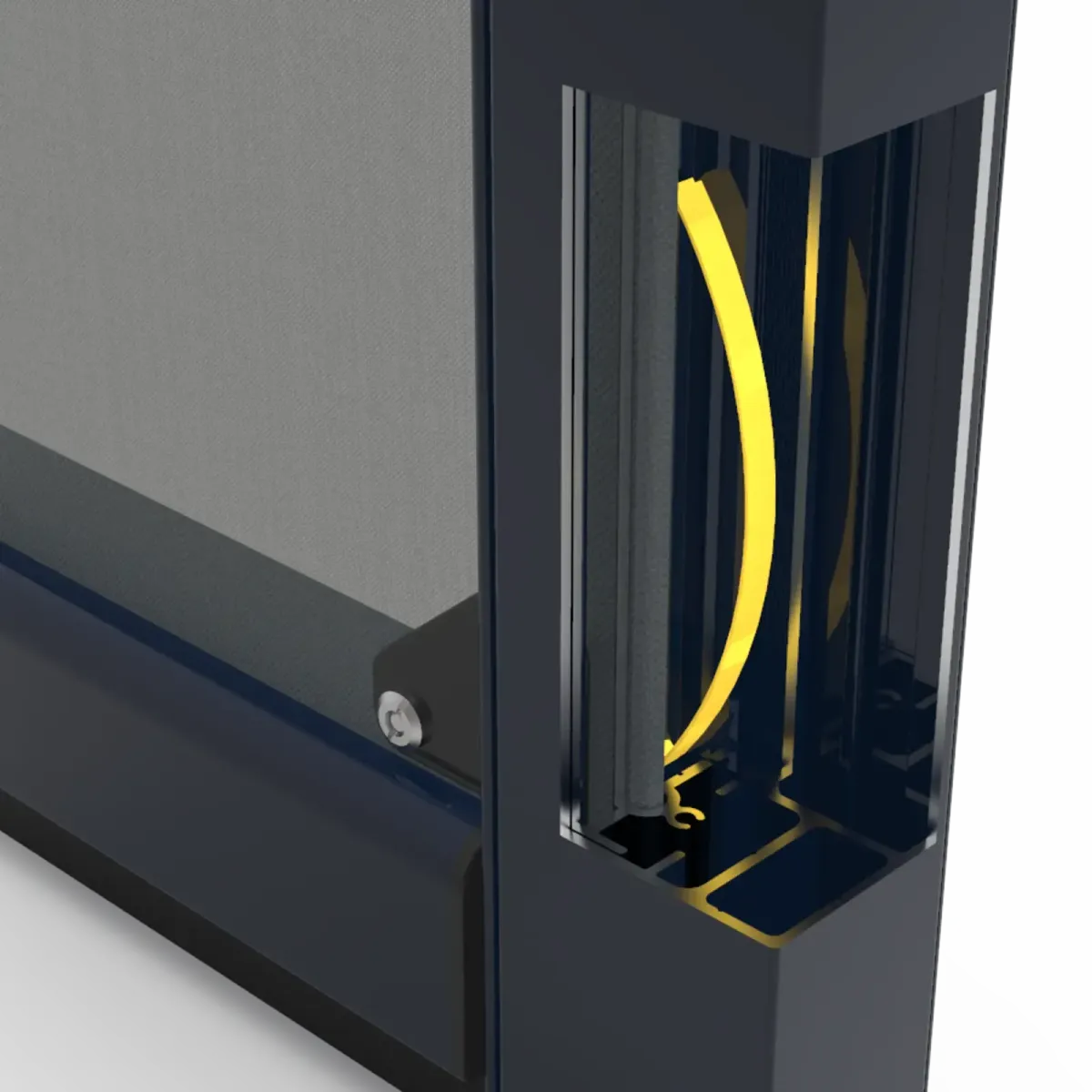
One-Track employs a unique spring-based tensioning system that ensures nearly silent operation of the screens. This technology prioritizes a quiet and comfortable outdoor experience. Think of it like shock absorbers in a car - It's the springs that give you a quiet comfortable ride.
.
FENETEX THE #1 RETRACTABLE SCREEN SOLUTION
Contact A+ Certified Screen Dealer Today...
IT'S AS EASY AS 1, 2, 3
Customize Your Screen
STEP ONE:
Choose Your Screen Color...
Backed by Twitchell’s OmegaTex fabric, our hurricane screens are engineered with ballistic-grade and enhanced fibers for maximum strength and durability. These fabrics aren’t just tough—they’re also UV-protected for long-lasting performance and crafted with aesthetics in mind. Choose from six elegant colors designed to complement the architecture of your home.
Nano 95
Our you looking for the perfect solutions to keep Mother Nature out. Nano 95 screens do exactly that.
Colors:
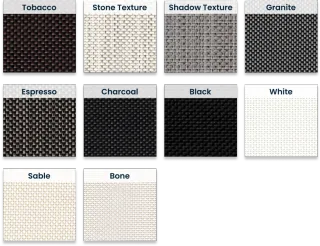
Black, Stone Texture, Shadow Texture, Granite, Espresso, charcoal, white, bable, bone.
Nano 97
Do you want to create that perfect 4 season patio. Nano 97 block outdoor elements, provides maxium privancy, but they do not compormise visability.
Colors:
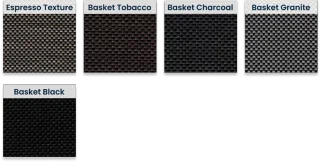
Espresso Texture, Basket Tobacco, Basket Charcoal, Basket Granite, Basket Black.
Specialty AME 97
AME 97 Screens are as they sound, Special. They are the Provide altimate cliamate control for your patio or lanai.
Colors:
White, Tobaco, Charcoal, Black
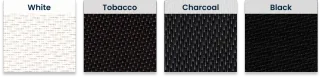
Black Out
Do you have an annoying Neighbor or need Friday Night privacy. Black out screen are solid wall of pure unadlitrated privacy.
Black, Charcoal, Tabacco, White
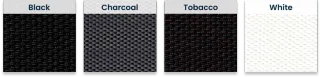
Textilene 80, 90.
The Textilene Series is all about weather control and air flow. Controal what you let in. If you block 80, then you allow 20%/10% to flow. Blocks dirt, rain, dander, harmful UV-Rays, and dust..
Colors:
Brown, Desert Sand, Busk Grey, Sandstoe, White, Black & Brown, Black
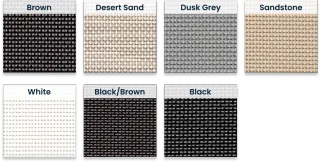
Textilene 95
The Textilene Series is all about weather control and air flow. Controal what you let in. If you block 95, then you allow 5% to flow. Blocks dirt, rain, dander, harmful UV-Rays, and dust..
Colors:
Almond Brown, Carbon Tex, Graphite, Mushroom, Pewter, Putty, Tumbleweed...
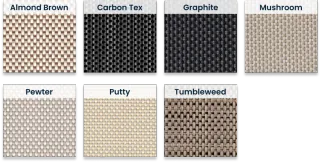
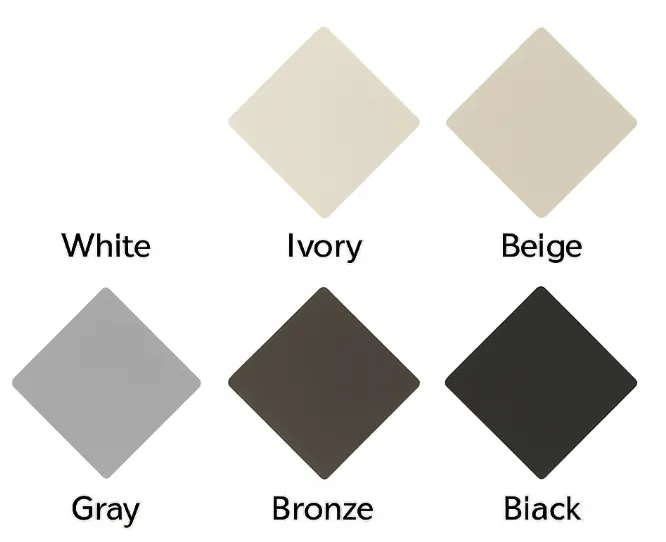
STEP TWO:
Choose Your Frame Color...
Choosing the right screen color is simple with Fenetex. Our standard color selections are designed to blend seamlessly with your architecture and framework, offering a clean, cohesive look. For unique designs, custom powder coating is available to match any project. All finishes are marine-grade and infused with UV ray inhibitors—built to endure the elements and maintain their beauty for years to come.
STEP THREE:
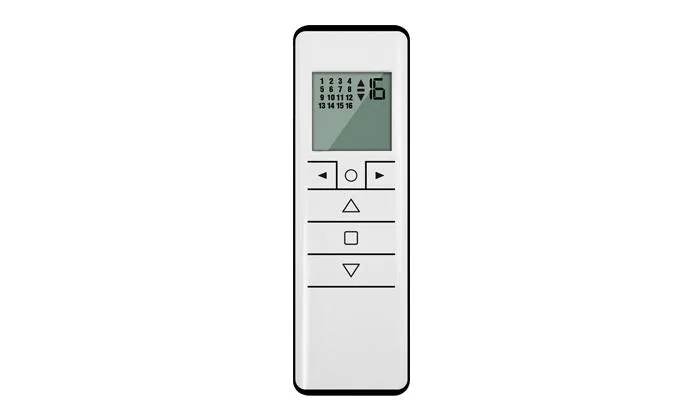
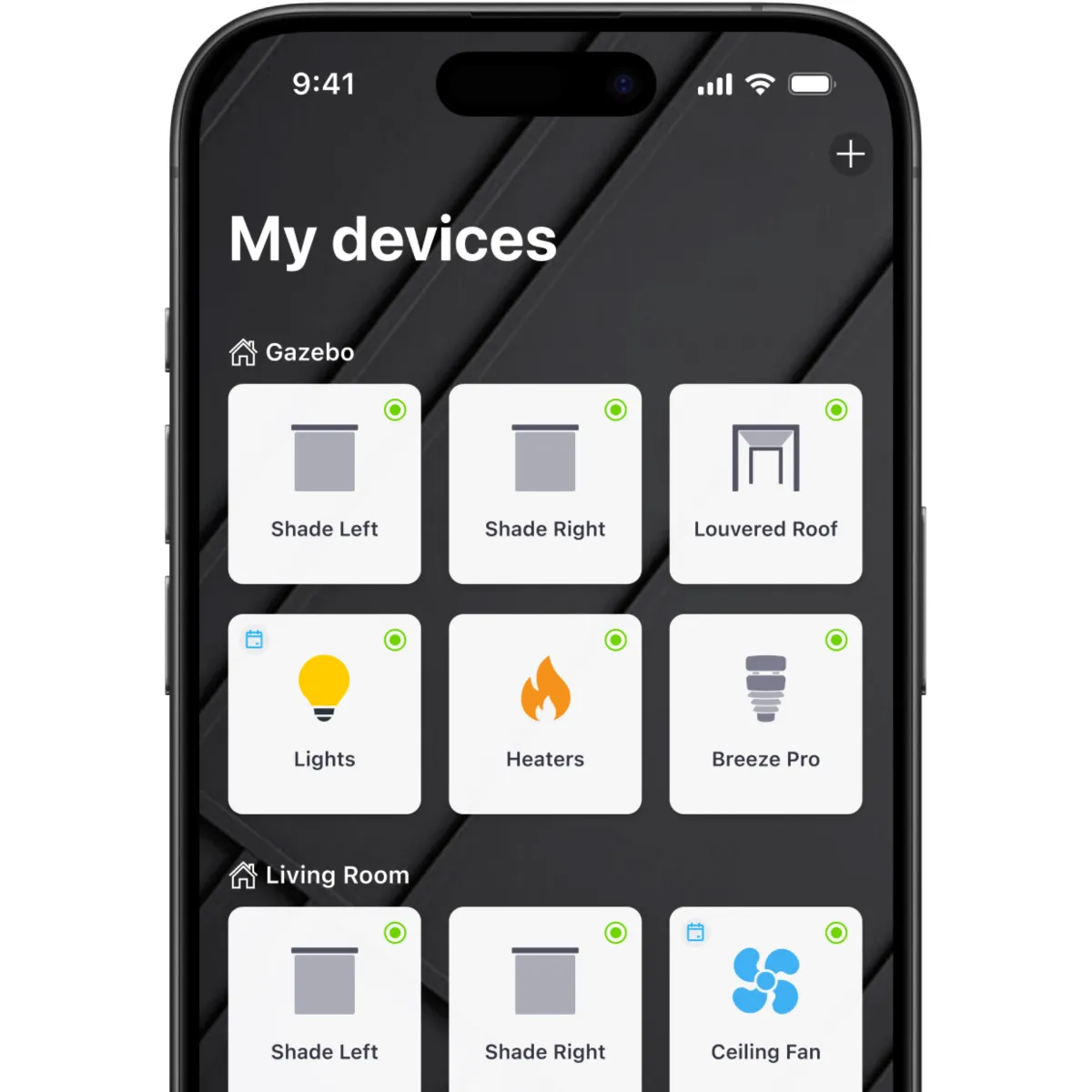
3. Choose Your Control...
Selecting your preferred control method is effortless with Fenetex. Whether you choose handheld remotes, mobile apps, or smart home integration, our systems are designed to fit your lifestyle. No need to settle—just integrate and enjoy continuous, seamless operation 24/7. It's control on your terms, exactly when and where you need it.
FENETEX THE #1 RETRACTABLE SCREEN SOLUTION
Contact A+ Certified Screen Dealer Today...
ONE-TRACK SEAMLESS
Smart Home Integration
BLEND SEAMLESSLY
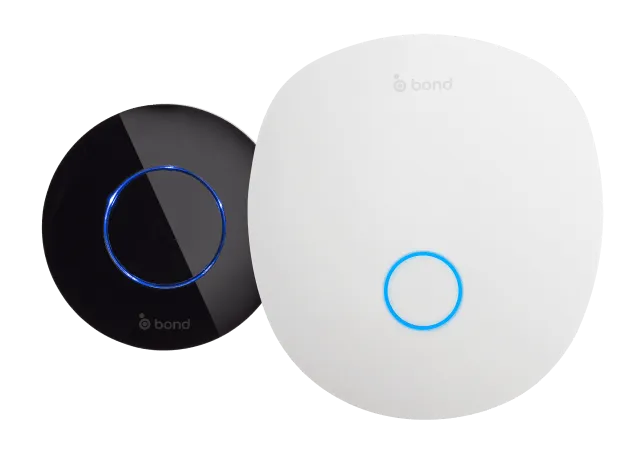
Take Control - Smart Hub.
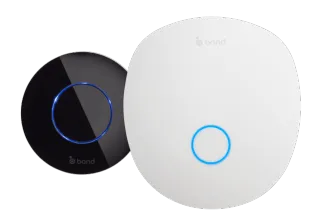
With the Bond Bridge Pro, managing your Fenetex MaxForce Hurricane Screens is seamless and smart. This powerful integration allows you to open or close your screens from anywhere using your smartphone, voice assistant, or home automation system. Whether you're at home, at work, or away on vacation, control is always at your fingertips.
COMPATIBLE INTEGRATION










VOICE ACTIVATION ASSISTANTS




SMART MOTOR TECHNOLOGIES



FENETEX THE #1 RETRACTABLE SCREEN SOLUTION
The Proud Dealer of Fenetex
One Track
Integrity Matters
Where It's Made Matters
AMERICAN INGENUITY
Made in the USA.
Proudly Made in the USA—every Fenetex screen's are built with American strength, precision, and pride. From the smallest components to the final assembly, our materials are sourced and manufactured right here in the United States. No outsourcing. No compromises. Just hardworking Americans protecting American homes with the toughest screen system on the market.

CONSISTENCY.
Quality Made. Professional Installation....
At FL OUTDOORr, quality isn’t a buzzword—it’s a promise. Every Fenetex system we install is a product of precision engineering and world-class American manufacturing, built to perform under pressure and look flawless doing it.
We are highly trained professionals who treat your home like their own. From laser-accurate measurements to clean, detail-focused installations, we don’t cut corners—we define them.
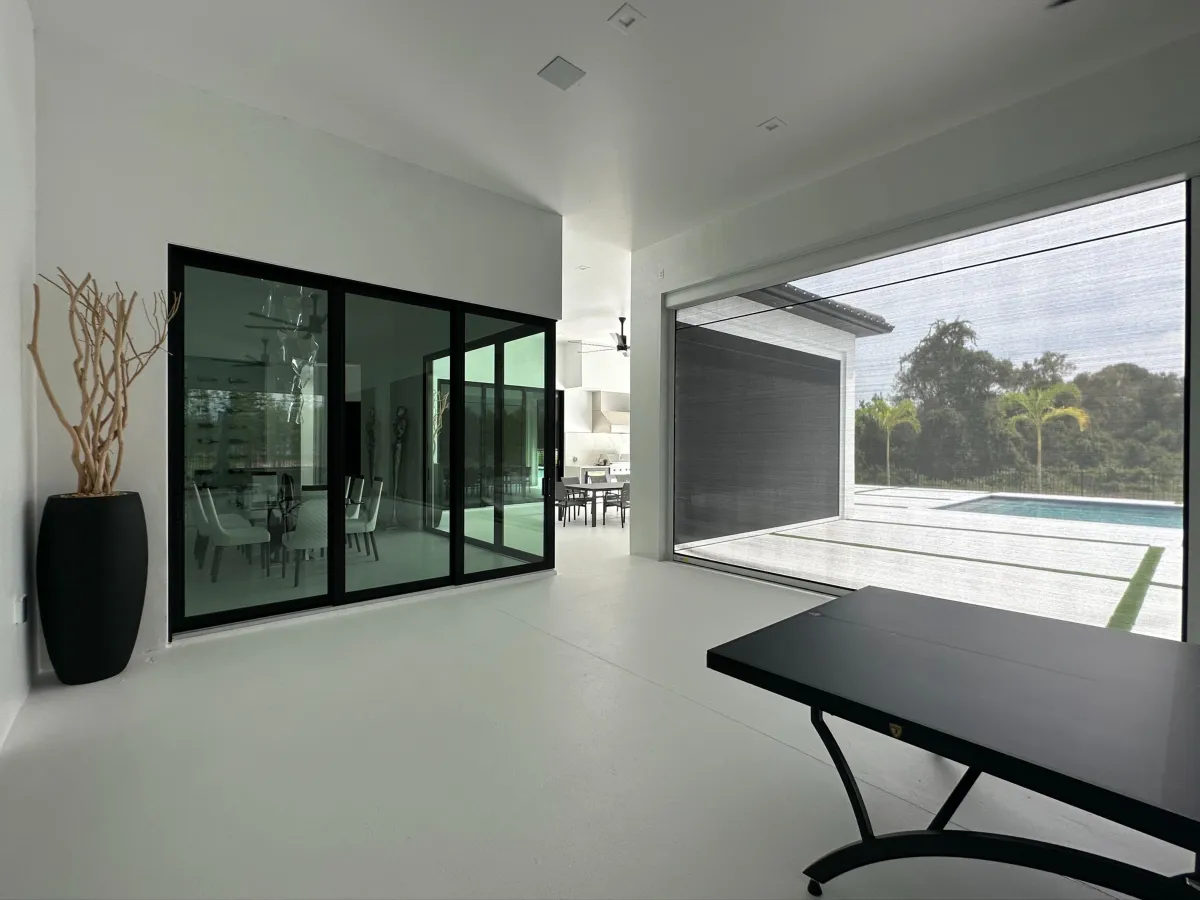
FENETEX THE #1 RETRACTABLE SCREEN SOLUTION
The Proud Dealer of Fenetex One Track
Florida Living Outdoors Solutions
Dual Specialties
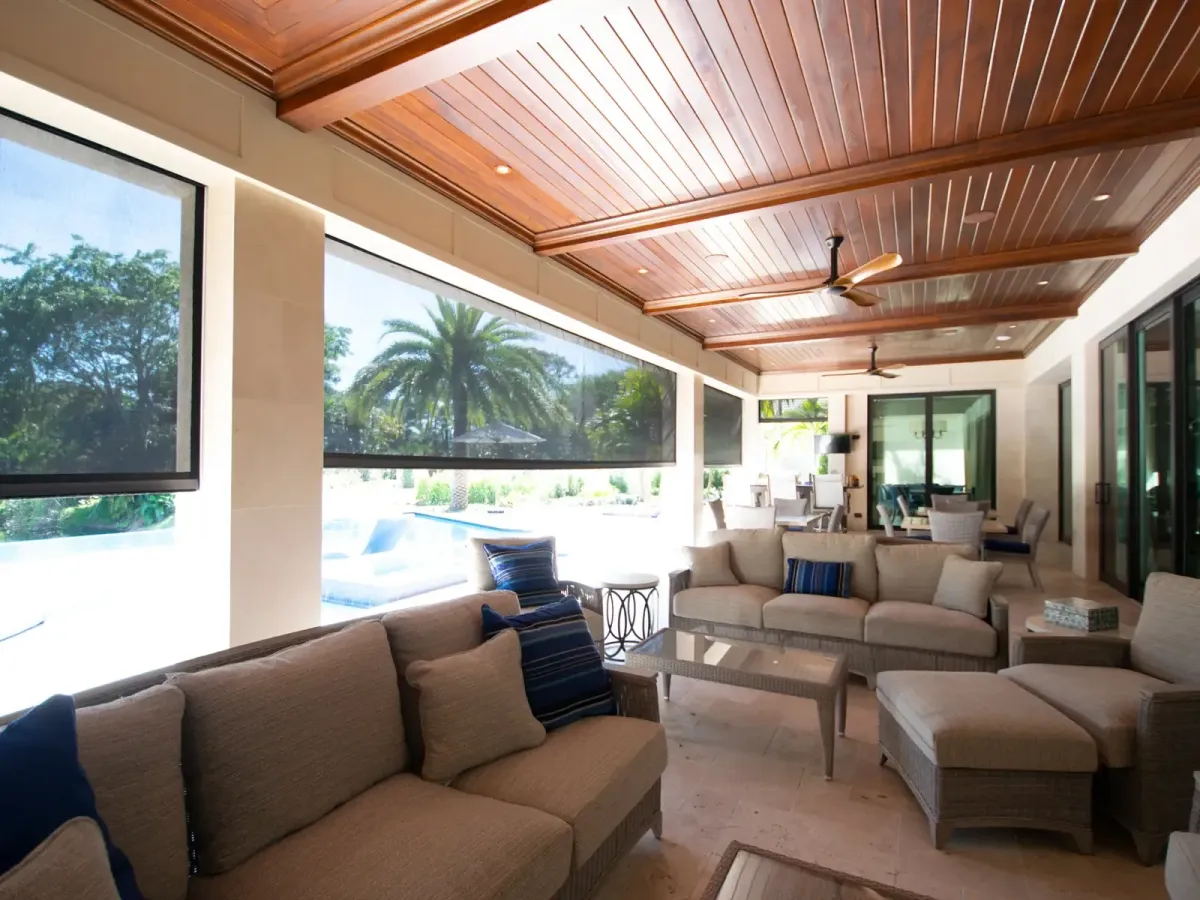
Residential Solutions
Home should be a sanctuary to relax, spend time with family, and maybe even entertain. Adding Fenetex screens to patios empowers you to curate any outdoor space so it complements your aesthetics and meets your needs
creens are the solution for both residential and commercial outdoor spaces. Having been in business since 2007, we continually innovate to improve our products and stay ahead of the industry.
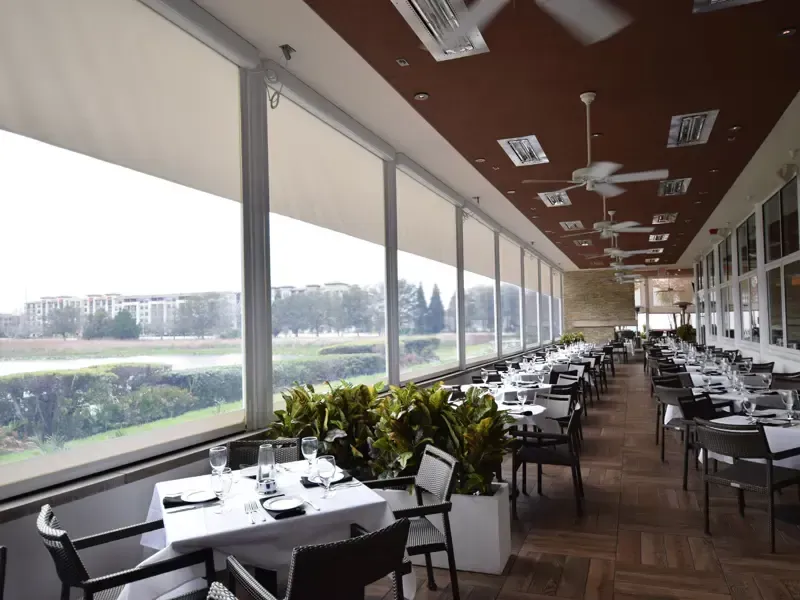
Commercial Solutions
Whether you're investing in your restaurant's patio seating or weather-proofing your outdoor event space, making sure those areas remain usable and enjoyable for guests is critical to the bottom line and your business' ultimate success
Does your restaurant’s patio contend with glaring sun? Or maybe the luxury outdoor kitchen at your home is being invaded by bugs? Maybe the upcoming hurricane season has you concerned. Whatever the challenge, Fenetex Motorized
S
See What Our Customers Are Saying About Us
FENETEX THE #1 RETRACTABLE SCREEN SOLUTION
The Proud Dealer of Fenetex One Track
BEYOND
The Here & Now
Why Does The Ocean Distroy Everything, Patio?
The Twenty-Two-Month Lifespan
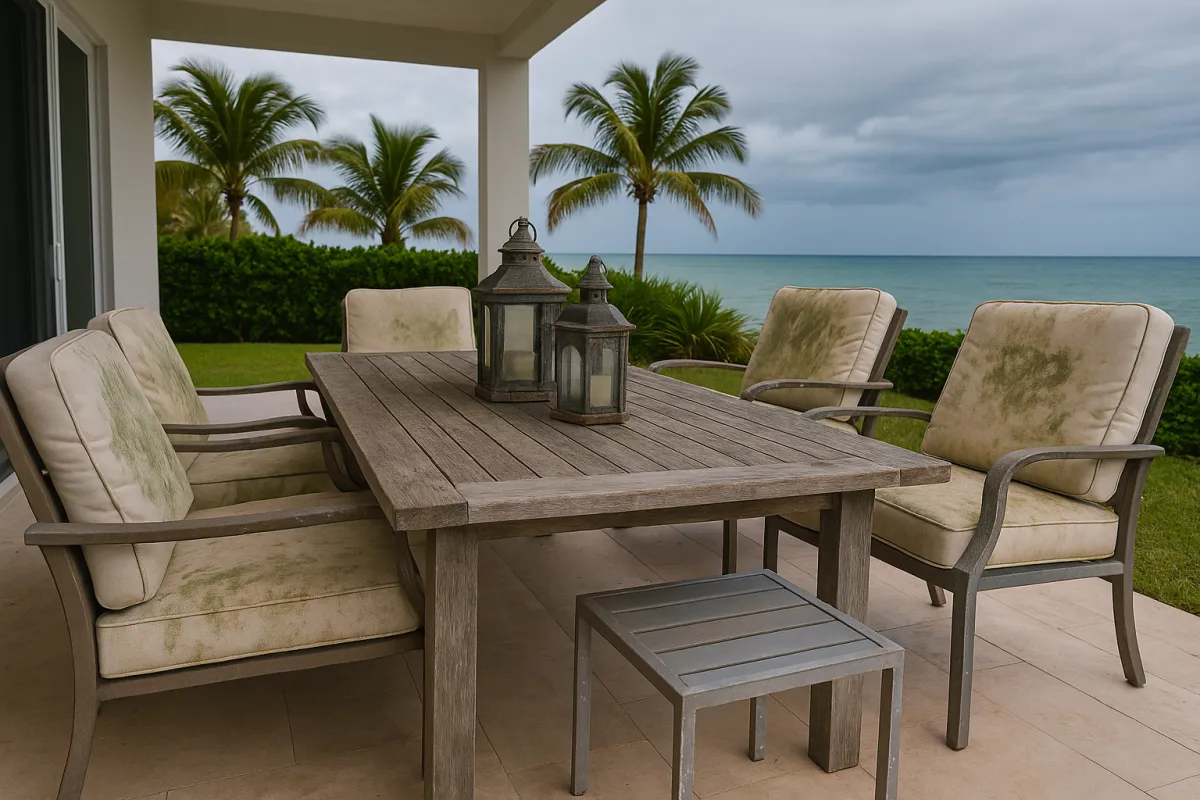
You unboxed it carefully. That teak dining table. Thirty-two hundred dollars. The cushioned lounge chairs. Twenty-four hundred. Powder-coated aluminum side tables. Eight hundred. Decorative lanterns. Three hundred.
Total investment: sixty-seven hundred in premium, "coastal-rated" outdoor furniture.
The salesperson assured you. "All marine-grade materials. Built for coastal environments. You'll get ten to fifteen years out of these pieces."
That was twenty-two months ago.
Now? The teak has gray weathering patches despite quarterly oiling. Cushions have mildew stains that won't come out. The "powder-coated" aluminum has white corrosion blooming at every joint. The lanterns' hardware seized with rust.
You're researching replacement options because you're embarrassed when guests visit.
Your "marine-grade" furniture looks like it survived a shipwreck.
Welcome to the salt spray reality of coastal Florida living.
Why the Ocean Destroys Everything
Living five hundred to two thousand feet from the Atlantic comes with hidden cost. Salt spray accelerates deterioration of everything on your patio by three hundred to five hundred percent.
The science. Salt spray isn't just salty air. It's microscopic droplets of seawater carried by ocean winds. Deposits sodium chloride crystals on every surface. Combined with high humidity—seventy-five to eighty-five percent year-round—plus UV radiation, plus temperature fluctuations, plus rain cycles, you create perfect corrosion environment.
What takes ten years to deteriorate inland takes two to three years on coast.
The Materials That Fail
Let's talk about what the outdoor furniture industry won't tell you.
Powder-coated aluminum. Promise: rust-proof, coastal-safe, maintenance-free. Reality: powder coating has microscopic imperfections. Salt crystals find weak spots. Penetrate. Cause oxidation underneath coating. Within eighteen to twenty-four months, you see white corrosion blooms at joints and welds. Replacement cost: fifteen hundred to three thousand every three to four years.
All-weather wicker and resin. Promise: UV-resistant, waterproof, salt-tolerant. Reality: UV breaks down resin over time. Salt accelerates breakdown. Wicker becomes brittle. Cracks. Metal frame underneath corrodes. Cushions develop mildew because humid salt air never fully dries. Replacement cost: two to four thousand every three to five years.
Marine-grade stainless steel. Promise: will not rust, built for boats, perfect for coastal homes. Reality: different grades exist. True marine-grade—three-sixteen—resists salt. Most furniture uses three-oh-four grade. Cheaper. Absolutely will rust in coastal environments. Even three-sixteen can develop surface rust in harsh conditions. Replacement cost: eight hundred to two thousand per piece.
Teak and premium hardwoods. Promise: naturally weather-resistant, ages beautifully, minimal maintenance. Reality: teak is durable. But salt spray accelerates gray weathering. Without monthly cleaning and quarterly oiling, it becomes dry. Brittle. Split. Most coastal homeowners give up on maintenance by year two. Replacement cost: three to six thousand every five to seven years.
Sunbrella and UV-resistant fabrics. Promise: fade-resistant, mildew-resistant, water-repellent. Reality: salt penetrates even Sunbrella. Combined with humidity, creates perfect mildew environment inside cushion cores. Fabric itself may resist fading. But cushion core deteriorates. Within two years, cushions are stained. Lumpy. Smell musty. Replacement cost: twelve hundred to twenty-four hundred every two to three years.
The Real Cost
Let's calculate what your ocean view patio actually costs.
Year zero: initial investment. Dining set, thirty-two hundred. Lounge furniture, twenty-four hundred. Side tables and accessories, eight hundred. Decorative elements, five hundred. Total: sixty-nine hundred.
Year two: first replacements. Cushions—mildew damage—twelve hundred. Small furniture—corrosion—four hundred.
Year four: major replacements. Cushions again, twelve hundred. Lounge furniture—structural failure—twenty-four hundred.
Year six: full reset. Dining set—corrosion and weathering—thirty-two hundred. Side tables, eight hundred.
Year eight: cushions plus accessories. Cushions, twelve hundred. Accessories replacement, five hundred.
Total ten-year cost: eighteen thousand eight hundred. Average annual furniture maintenance and replacement: eighteen hundred eighty.
The Maintenance Trap
Even with diligent maintenance, salt spray creates endless work.
Weekly. Rinse furniture with fresh water to remove salt deposits. Wipe down metal surfaces to prevent corrosion. Check for early rust and corrosion signs.
Monthly. Deep clean all surfaces. Treat teak with oil. Inspect cushion cores for mildew.
Quarterly. Apply protective coatings to metal. Replace corroded hardware. Evaluate furniture condition.
Estimated time investment: four to six hours per month.
And even with all this work, you're just slowing down inevitable deterioration.
What Actually Protects
Karen and Mike, Palm Coast.
They'd gone through two complete patio furniture sets in five years. Over thirteen thousand spent. They were ready to accept that coastal furniture was disposable.
Then they visited friends in Flagler Beach. Friends who had worked with Florida Living Outdoor to install MagnaTrack motorized screens.
The difference shocked them.
Their friends' furniture was six years old. Looked nearly new. Original cushions. No corrosion. No mildew. No fading.
The secret? Their furniture lived ninety-five percent of its life behind retractable screens.
How Motorized Screens Protect
The salt barrier. When screens deploy, they create physical barrier between your furniture and salt-laden ocean air. Salt spray hits screens. Not your six-thousand-dollar furniture investment.
The UV shield. Solar screens from Fenetex and MagnaTrack block eighty to ninety-five percent UV radiation. This prevents fabric fading, resin breakdown, wood drying and cracking, protective coating deterioration.
The humidity management. Screens reduce moisture accumulation on furniture surfaces. Less moisture equals less mildew, less corrosion, less rot.
The flexibility. Perfect beach day? Screens retract completely. Enjoy full open-air coastal living. Normal daily protection? Screens deployed during harshest sun and wind hours—ten AM to four PM. Furniture protected while you're not using it anyway. Storm approaching? Deploy screens to protect furniture from wind-driven salt spray and rain.
Florida Living Outdoor installs marine-grade systems specifically engineered for coastal salt exposure.
The Real ROI
Let's compare true costs.
Option A: Keep Replacing Furniture
Ten-year furniture and maintenance costs: $18,800
Time investment: 500-plus hours over ten years
Frustration factor: high—constant shopping, deterioration, embarrassment
Option B: Protect What You Have
Initial furniture investment: $6,900
Motorized screen system: $14,000
Ten-year maintenance: $1,000 (cushion cleaning, minor repairs)
Ten-year total: $21,900
"Wait. That's more expensive."
Not quite. Look at what you actually have at year ten.
Option A: you're on your third furniture set. Already showing wear. You'll need replacement again soon. You've spent five hundred hours on maintenance and shopping.
Option B: your original furniture still looks great. Your screens will last twenty-plus years. You've spent maybe twenty hours total on maintenance.
Plus, screens added twenty to thirty-five thousand to your home's resale value. Furniture added zero.
Net advantage: eighteen to thirty-three thousand over ten years. Plus hundreds of hours saved.
Beyond Furniture
Motorized screens don't just protect furniture.
Your flooring. Tile: reduced salt etching and surface degradation. Wood decking: less moisture damage, no warping. Composite decking: reduced fading and chalking.
Your plants. Tropical plants protected from salt burn. Delicate species shielded from harsh coastal wind. Container gardens require less frequent watering.
Your home's exterior. Windows: reduced salt buildup, less cleaning needed. Doors: seals and hardware last longer. Siding: less salt accumulation and staining.
Your comfort. Less cleaning. Furniture stays cleaner longer. Better aesthetics. Everything looks newer for years. More usability. Protected space equals comfortable space equals you actually use it.
Questions Coastal Homeowners Ask
Won't the screens themselves corrode from salt spray?
Quality motorized screens use marine-grade materials and corrosion-resistant coatings specifically engineered for coastal environments. They're designed to take the beating so your furniture doesn't have to. Plus they're much easier to rinse and maintain than entire patio full of furniture.
Can I still get ocean breeze?
Yes. Screens can deploy during harshest sun hours for protection, then retract during pleasant evenings. Or use partially deployed screens to allow airflow while blocking direct salt spray.
Do I keep them closed all the time?
Not at all. Many coastal homeowners deploy screens during midday—eleven AM to four PM—when furniture is most vulnerable. Keep them open otherwise. Smart protection. Not permanent enclosure.
What about my view?
Quality screens maintain ninety-percent-plus visibility when deployed. When retracted, they're completely out of sight. Full view protection when you need it. Full view enjoyment when you want it.
What They Wish They'd Known
Tom, New Smyrna Beach: "We spent eleven thousand on three furniture sets before we got smart and installed screens. Now our furniture is four years old and looks brand new. I'm an idiot for not doing this first."
Sarah, Flagler Beach: "The salt air was destroying everything. Furniture. Plants. Even our patio door hardware. Screens changed everything. We finally stopped throwing money away."
David and Linda, Palm Coast: "People ask how our furniture still looks so good after five years. One word: screens. Best investment we ever made."
Your Investment Deserves Protection
You didn't buy a six-fifty oceanfront home to constantly replace furniture. To watch everything corrode.
You deserve to enjoy coastal living without constant maintenance nightmare.
Your furniture investment deserves to last a decade. Not two years.
One installation. Decades of protection. Thousands saved.
Stop replacing. Start protecting.
Ready to protect your coastal investment? Contact Florida Living Outdoor to schedule your free consultation. We'll show you the savings possible with MagnaTrack or Fenetex

BEYOND
The Here & Now
Why Does The Ocean Distroy Everything, Patio?
The Twenty-Two-Month Lifespan
You unboxed it carefully. That teak dining table. Thirty-two hundred dollars. The cushioned lounge chairs. Twenty-four hundred. Powder-coated aluminum side tables. Eight hundred. Decorative lanterns. Three hundred.
Total investment: sixty-seven hundred in premium, "coastal-rated" outdoor furniture.
The salesperson assured you. "All marine-grade materials. Built for coastal environments. You'll get ten to fifteen years out of these pieces."
That was twenty-two months ago.
Now? The teak has gray weathering patches despite quarterly oiling. Cushions have mildew stains that won't come out. The "powder-coated" aluminum has white corrosion blooming at every joint. The lanterns' hardware seized with rust.
You're researching replacement options because you're embarrassed when guests visit.
Your "marine-grade" furniture looks like it survived a shipwreck.
Welcome to the salt spray reality of coastal Florida living.
Why the Ocean Destroys Everything
Living five hundred to two thousand feet from the Atlantic comes with hidden cost. Salt spray accelerates deterioration of everything on your patio by three hundred to five hundred percent.
The science. Salt spray isn't just salty air. It's microscopic droplets of seawater carried by ocean winds. Deposits sodium chloride crystals on every surface. Combined with high humidity—seventy-five to eighty-five percent year-round—plus UV radiation, plus temperature fluctuations, plus rain cycles, you create perfect corrosion environment.
What takes ten years to deteriorate inland takes two to three years on coast.
The Materials That Fail
Let's talk about what the outdoor furniture industry won't tell you.
Powder-coated aluminum. Promise: rust-proof, coastal-safe, maintenance-free. Reality: powder coating has microscopic imperfections. Salt crystals find weak spots. Penetrate. Cause oxidation underneath coating. Within eighteen to twenty-four months, you see white corrosion blooms at joints and welds. Replacement cost: fifteen hundred to three thousand every three to four years.
All-weather wicker and resin. Promise: UV-resistant, waterproof, salt-tolerant. Reality: UV breaks down resin over time. Salt accelerates breakdown. Wicker becomes brittle. Cracks. Metal frame underneath corrodes. Cushions develop mildew because humid salt air never fully dries. Replacement cost: two to four thousand every three to five years.
Marine-grade stainless steel. Promise: will not rust, built for boats, perfect for coastal homes. Reality: different grades exist. True marine-grade—three-sixteen—resists salt. Most furniture uses three-oh-four grade. Cheaper. Absolutely will rust in coastal environments. Even three-sixteen can develop surface rust in harsh conditions. Replacement cost: eight hundred to two thousand per piece.
Teak and premium hardwoods. Promise: naturally weather-resistant, ages beautifully, minimal maintenance. Reality: teak is durable. But salt spray accelerates gray weathering. Without monthly cleaning and quarterly oiling, it becomes dry. Brittle. Split. Most coastal homeowners give up on maintenance by year two. Replacement cost: three to six thousand every five to seven years.
Sunbrella and UV-resistant fabrics. Promise: fade-resistant, mildew-resistant, water-repellent. Reality: salt penetrates even Sunbrella. Combined with humidity, creates perfect mildew environment inside cushion cores. Fabric itself may resist fading. But cushion core deteriorates. Within two years, cushions are stained. Lumpy. Smell musty. Replacement cost: twelve hundred to twenty-four hundred every two to three years.
The Real Cost
Let's calculate what your ocean view patio actually costs.
Year zero: initial investment. Dining set, thirty-two hundred. Lounge furniture, twenty-four hundred. Side tables and accessories, eight hundred. Decorative elements, five hundred. Total: sixty-nine hundred.
Year two: first replacements. Cushions—mildew damage—twelve hundred. Small furniture—corrosion—four hundred.
Year four: major replacements. Cushions again, twelve hundred. Lounge furniture—structural failure—twenty-four hundred.
Year six: full reset. Dining set—corrosion and weathering—thirty-two hundred. Side tables, eight hundred.
Year eight: cushions plus accessories. Cushions, twelve hundred. Accessories replacement, five hundred.
Total ten-year cost: eighteen thousand eight hundred. Average annual furniture maintenance and replacement: eighteen hundred eighty.
The Maintenance Trap
Even with diligent maintenance, salt spray creates endless work.
Weekly. Rinse furniture with fresh water to remove salt deposits. Wipe down metal surfaces to prevent corrosion. Check for early rust and corrosion signs.
Monthly. Deep clean all surfaces. Treat teak with oil. Inspect cushion cores for mildew.
Quarterly. Apply protective coatings to metal. Replace corroded hardware. Evaluate furniture condition.
Estimated time investment: four to six hours per month.
And even with all this work, you're just slowing down inevitable deterioration.
What Actually Protects
Karen and Mike, Palm Coast.
They'd gone through two complete patio furniture sets in five years. Over thirteen thousand spent. They were ready to accept that coastal furniture was disposable.
Then they visited friends in Flagler Beach. Friends who had worked with Florida Living Outdoor to install MagnaTrack motorized screens.
The difference shocked them.
Their friends' furniture was six years old. Looked nearly new. Original cushions. No corrosion. No mildew. No fading.
The secret? Their furniture lived ninety-five percent of its life behind retractable screens.
How Motorized Screens Protect
The salt barrier. When screens deploy, they create physical barrier between your furniture and salt-laden ocean air. Salt spray hits screens. Not your six-thousand-dollar furniture investment.
The UV shield. Solar screens from Fenetex and MagnaTrack block eighty to ninety-five percent UV radiation. This prevents fabric fading, resin breakdown, wood drying and cracking, protective coating deterioration.
The humidity management. Screens reduce moisture accumulation on furniture surfaces. Less moisture equals less mildew, less corrosion, less rot.
The flexibility. Perfect beach day? Screens retract completely. Enjoy full open-air coastal living. Normal daily protection? Screens deployed during harshest sun and wind hours—ten AM to four PM. Furniture protected while you're not using it anyway. Storm approaching? Deploy screens to protect furniture from wind-driven salt spray and rain.
Florida Living Outdoor installs marine-grade systems specifically engineered for coastal salt exposure.
The Real ROI
Let's compare true costs.
Option A: Keep Replacing Furniture
Ten-year furniture and maintenance costs: $18,800
Time investment: 500-plus hours over ten years
Frustration factor: high—constant shopping, deterioration, embarrassment
Option B: Protect What You Have
Initial furniture investment: $6,900
Motorized screen system: $14,000
Ten-year maintenance: $1,000 (cushion cleaning, minor repairs)
Ten-year total: $21,900
"Wait. That's more expensive."
Not quite. Look at what you actually have at year ten.
Option A: you're on your third furniture set. Already showing wear. You'll need replacement again soon. You've spent five hundred hours on maintenance and shopping.
Option B: your original furniture still looks great. Your screens will last twenty-plus years. You've spent maybe twenty hours total on maintenance.
Plus, screens added twenty to thirty-five thousand to your home's resale value. Furniture added zero.
Net advantage: eighteen to thirty-three thousand over ten years. Plus hundreds of hours saved.
Beyond Furniture
Motorized screens don't just protect furniture.
Your flooring. Tile: reduced salt etching and surface degradation. Wood decking: less moisture damage, no warping. Composite decking: reduced fading and chalking.
Your plants. Tropical plants protected from salt burn. Delicate species shielded from harsh coastal wind. Container gardens require less frequent watering.
Your home's exterior. Windows: reduced salt buildup, less cleaning needed. Doors: seals and hardware last longer. Siding: less salt accumulation and staining.
Your comfort. Less cleaning. Furniture stays cleaner longer. Better aesthetics. Everything looks newer for years. More usability. Protected space equals comfortable space equals you actually use it.
Questions Coastal Homeowners Ask
Won't the screens themselves corrode from salt spray?
Quality motorized screens use marine-grade materials and corrosion-resistant coatings specifically engineered for coastal environments. They're designed to take the beating so your furniture doesn't have to. Plus they're much easier to rinse and maintain than entire patio full of furniture.
Can I still get ocean breeze?
Yes. Screens can deploy during harshest sun hours for protection, then retract during pleasant evenings. Or use partially deployed screens to allow airflow while blocking direct salt spray.
Do I keep them closed all the time?
Not at all. Many coastal homeowners deploy screens during midday—eleven AM to four PM—when furniture is most vulnerable. Keep them open otherwise. Smart protection. Not permanent enclosure.
What about my view?
Quality screens maintain ninety-percent-plus visibility when deployed. When retracted, they're completely out of sight. Full view protection when you need it. Full view enjoyment when you want it.
What They Wish They'd Known
Tom, New Smyrna Beach: "We spent eleven thousand on three furniture sets before we got smart and installed screens. Now our furniture is four years old and looks brand new. I'm an idiot for not doing this first."
Sarah, Flagler Beach: "The salt air was destroying everything. Furniture. Plants. Even our patio door hardware. Screens changed everything. We finally stopped throwing money away."
David and Linda, Palm Coast: "People ask how our furniture still looks so good after five years. One word: screens. Best investment we ever made."
Your Investment Deserves Protection
You didn't buy a six-fifty oceanfront home to constantly replace furniture. To watch everything corrode.
You deserve to enjoy coastal living without constant maintenance nightmare.
Your furniture investment deserves to last a decade. Not two years.
One installation. Decades of protection. Thousands saved.
Stop replacing. Start protecting.
Ready to protect your coastal investment? Contact Florida Living Outdoor to schedule your free consultation. We'll show you the savings possible with MagnaTrack or Fenetex
What makes Fenetex motorized screens different from other brands?
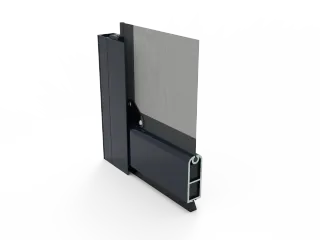
Fenetex screens use a patented dual-track system that resists wind and keeps the screen tight and in place. Unlike traditional zipper systems, Fenetex screens are engineered for durability, self-correction, and long-term performance—even in extreme weather conditions.
Can Fenetex screens withstand strong winds or hurricanes?
Yes. Fenetex offers hurricane-rated screens, MaxForce, that can be engineered to meet local building codes and tested to withstand wind speeds up to 185+ mph. One-Track can withstand Winds Up To 100 mph. They're ideal for protecting patios, lanais, and outdoor living spaces in storm-prone areas like Florida.

What types of screens are available from Fenetex?
Answer:
Fenetex offers multiple screen options to fit different needs:
Bug Screens – Keep insects out while maintaining airflow.
Solar Screens – Block UV rays and reduce heat and glare.
Privacy Screens – Add seclusion with tinted or opaque materials.
Hurricane Screens – Provide structural protection during storms.
All screens can be interchangeable in the same frame system.
4. How are the screens controlled?
Fenetex motorized screens are powered by a quiet, remote-controlled motor. You can operate them with a handheld remote, wall switch, or even integrate them with your home automation system, depending on your setup.
Is there a warranty on Fenetex screens?
Yes. Fenetex stands behind its craftsmanship with one of the best warranties in the industry. Depending on the type of screen, there are warranties on the motor, frame, and fabric, and the welded keder attachment is backed by a lifetime warranty.

FLO... CREATING LUXURY OUTDOOR
Work requiring DBPR licensure in partnership with CGC1532839
MOTORIZED SCREENS
Warranty
FENCE
Horizontal Fencing
Greenwood Fence
PERGOLAS
Azenco-Outdoors
R-Blade Motorized Louver Roofs
R-Shade Insulated Roof
COMPANY INFO
About FL Outdoors
FL Outdoor News
Service Area
FAQ
IMPORTANT INFO
SERVICE AREA CENTRAL FLORIDA
Mount Dora
Longwood
Maitland
Seminole County
Windermere
Lake Nona
SERVICE AREA PALM BEACH
Boca
Boynton Beach
Delray Beach
Jupiter
SERVICE AREA BROWARD COUNTY
Fort Lauderdale
Deerfield Beach
Light House Point
Plantation
South West Ranches
SERVICE AREA VOLUSIA COUNTY
Daytona Beach
Edgewater
Orman Beach
Port Orange
SERVICE AREA FLAGLER
Beverly Beach
Bunnell
SERVICE AREA BREVARD
Merritt Island
Satellite Beach
Melbourne
PALM BAY
STAY CONNECTED


Facebook
Instagram
X
LinkedIn
Youtube
TikTok
Pinterest