PROTECTION THAT PERFORM
No Blowouts. No Rewraps. No Compromise....
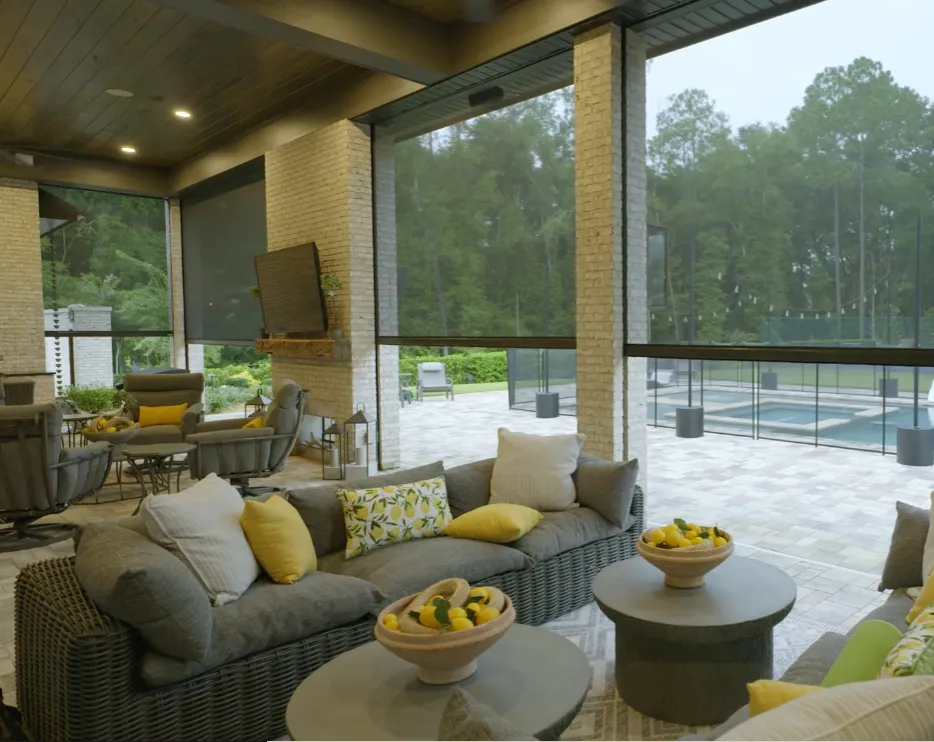
One-Track Retractable Screens are the result of years of real-world testing, research, and engineering refinement. Built to withstand the harshest conditions without sacrificing aesthetics, they offer maximum protection for your patio or lanai with hurricane-rated performance.
Tested, Trusted, Proven, and Never compromised—these screens are built for the long haul:

Contact A+ Certified Screen Dealer Today...
ONE TRACK & FL OUTDOOR
READY FOR LIFE'S STORMS
THE HIGHEST STANDARD
ONE TRACK SCREEN SYSTEMS
Fenetex introduced the patented quiet spring technology, the core of our One-Track system, nearly a decade ago.
We've crafted the perfect self-adjusting screen system that operates beautifully silently when deployed, ensures frustration-free operation, and can be used in almost any weather condition.
While others have experimented with alternative methods to achieve the advantages of our One-Track screens, none have achieved the unique combination of near-silence, ease of operation, affordability, high reliability, and exceptional dependability.
ONE TRACK
Eleminates 99% of Know Service Calls

Self Adjusting Track
One-Track is the only screen on the market that can self correct and auto refeed screen should they become dislouged.

Max Corrosion Protection
Powder Coated Aluminum Protects your investment from exposer and Corrosion.

Heavy-Duty Design
Our screens are designed to withstand the extreme. High wind, Rain, or Shine, Dust Dirt, Dander, it does not matter. MaxForce Cover it all
Contact A+ Certified Screen Dealer Today...
LOCK TIGHT - KEDER TECHNOLOGY.
Good by Zipper Track System
Fenetex was the first in the industry to replace traditional zipper systems with Keder-based side retention technology, setting a new benchmark for strength and reliability. Proven over years of success, this innovation delivers smooth operation, superior wind resistance, and long-term durability
Lock Tight Side Retention
Prevent Screen Hangups
Prevent Jams
Prevent Snaggs
Prevent Rewraps.
Uniques "Lock Tight" Side Retenion Keder System.
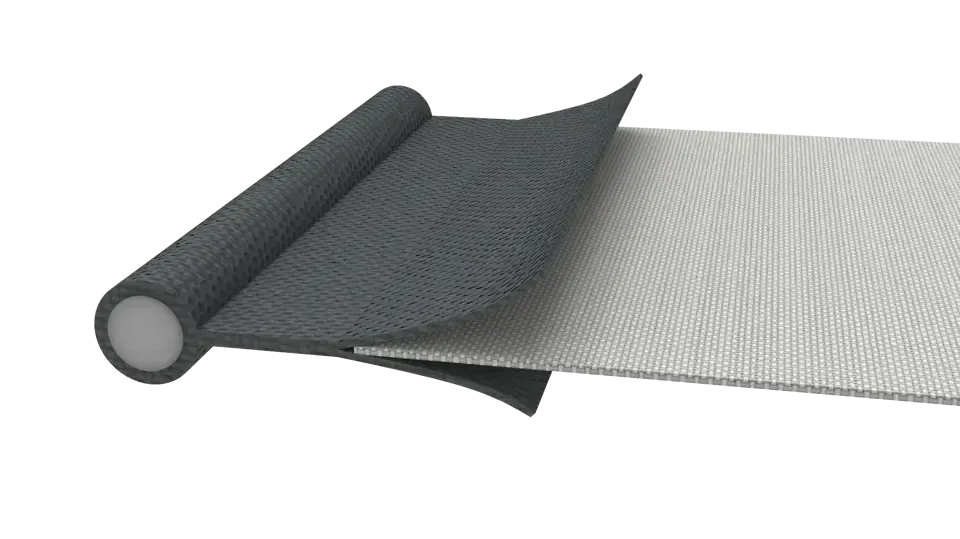
The Fenetex Keder is made with a strong Nylon cord wrapped in smooth, slippery fabric, so it can slide into the edge of the screen track and hold tight—just like how sailboats use Keder to attach their sails to the mast. Fenetex was the first to bring this smart technology to retractable screens back in 2007.
One
A Decade of Refining Keder Performance
We made our Keder system just right by picking the best cord, fabric, and special coatings. After more than 10 years of testing and using it, it works really well and lasts a long time.
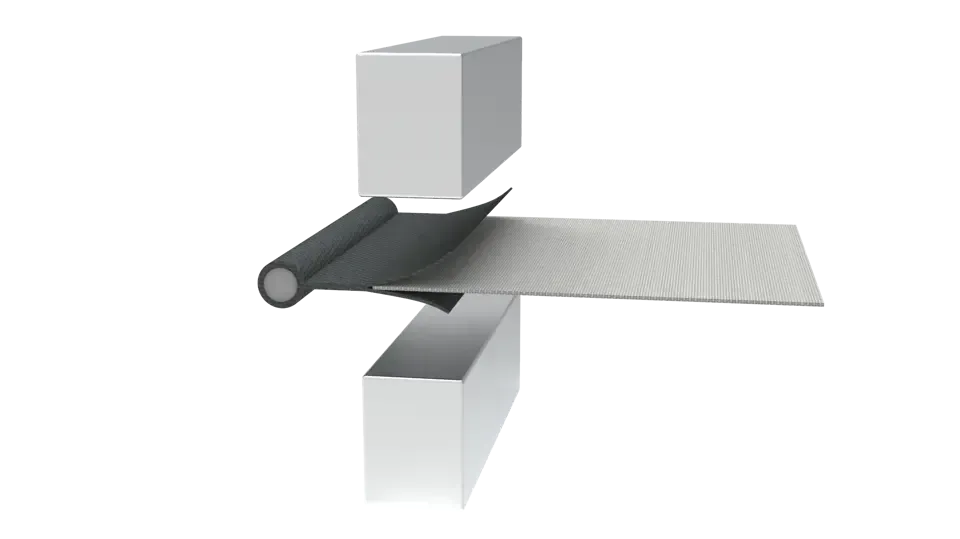
TWO
An Advanced High-Energy Bonding Process
Thenm, the edge of the screen is cut just right and put into the Fenetex keder. Then, two bars—one on top and one on the bottom—press together to start the sticking process.
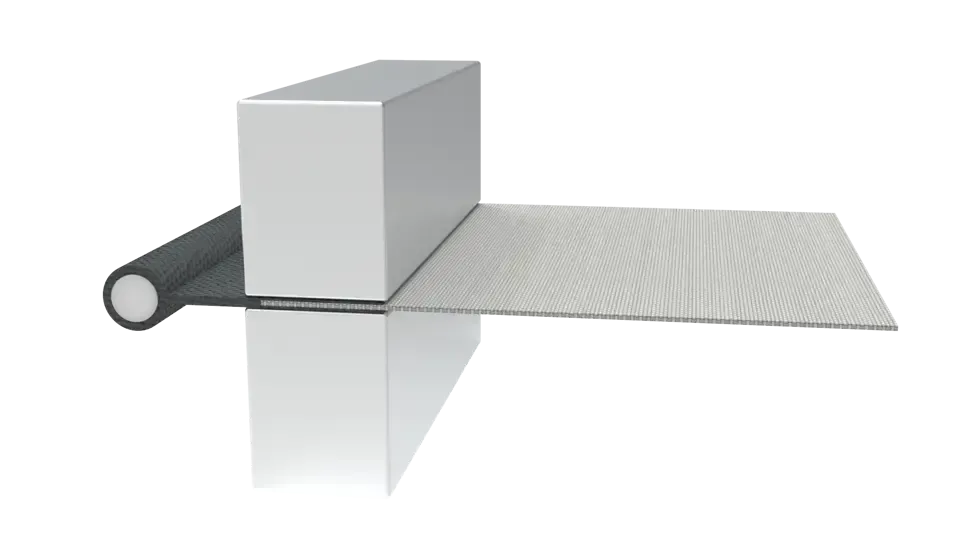
THREE
Molecular-Level Bonding Keder To Screen
After welding, the keder and screen become one solid piece—no zippers, glue, or stitching to fail. It's built to last, and we guarantee it with a lifetime warranty.
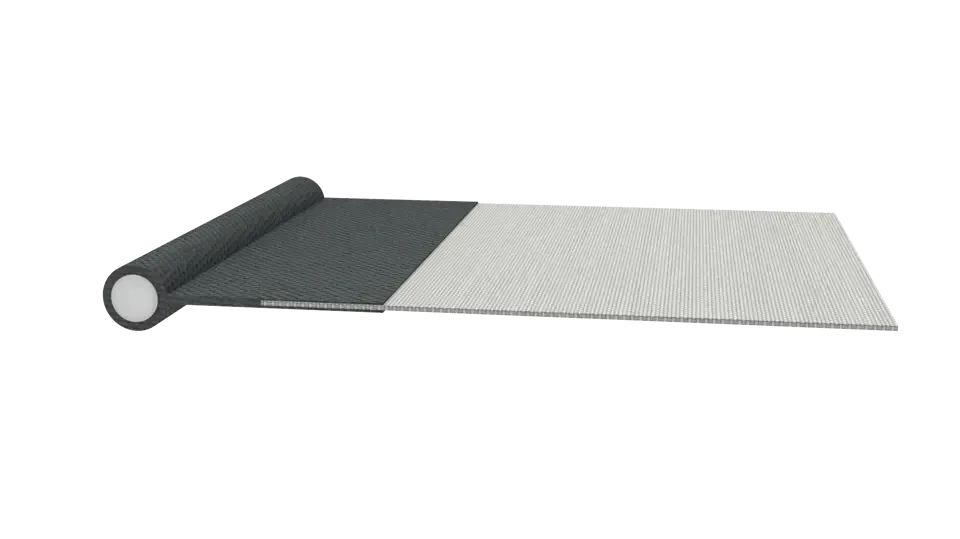
FOUR
Backed By Lifetime Warranty
Last , Once the weld is finished, the keder and screen are fused together for good—no zippers, glue, or stitching to worry about. It's a bond that lasts, which is why we back it with a lifetime warranty.


ADJUSTABLE ABILITY:
Free Floating Track
LOCKS TIGHT
Quite Spring Technology

RATE FOR
100 mph Wind Zone
APPLICATION
Residential and Commercial
Contact A+ Certified Screen Dealer Today...
DESIGNED TO THE NINES
ONE-TRACK FEATURES
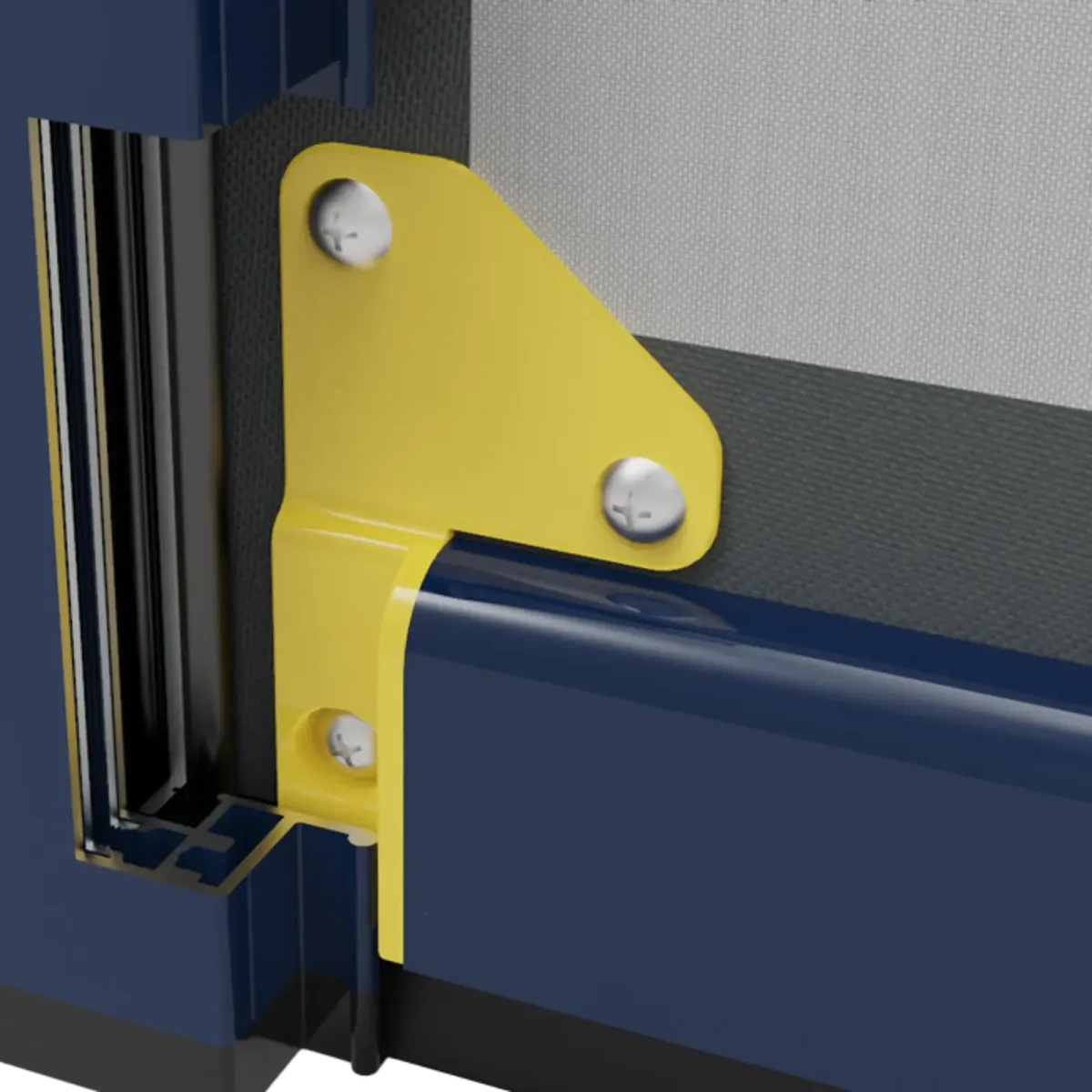
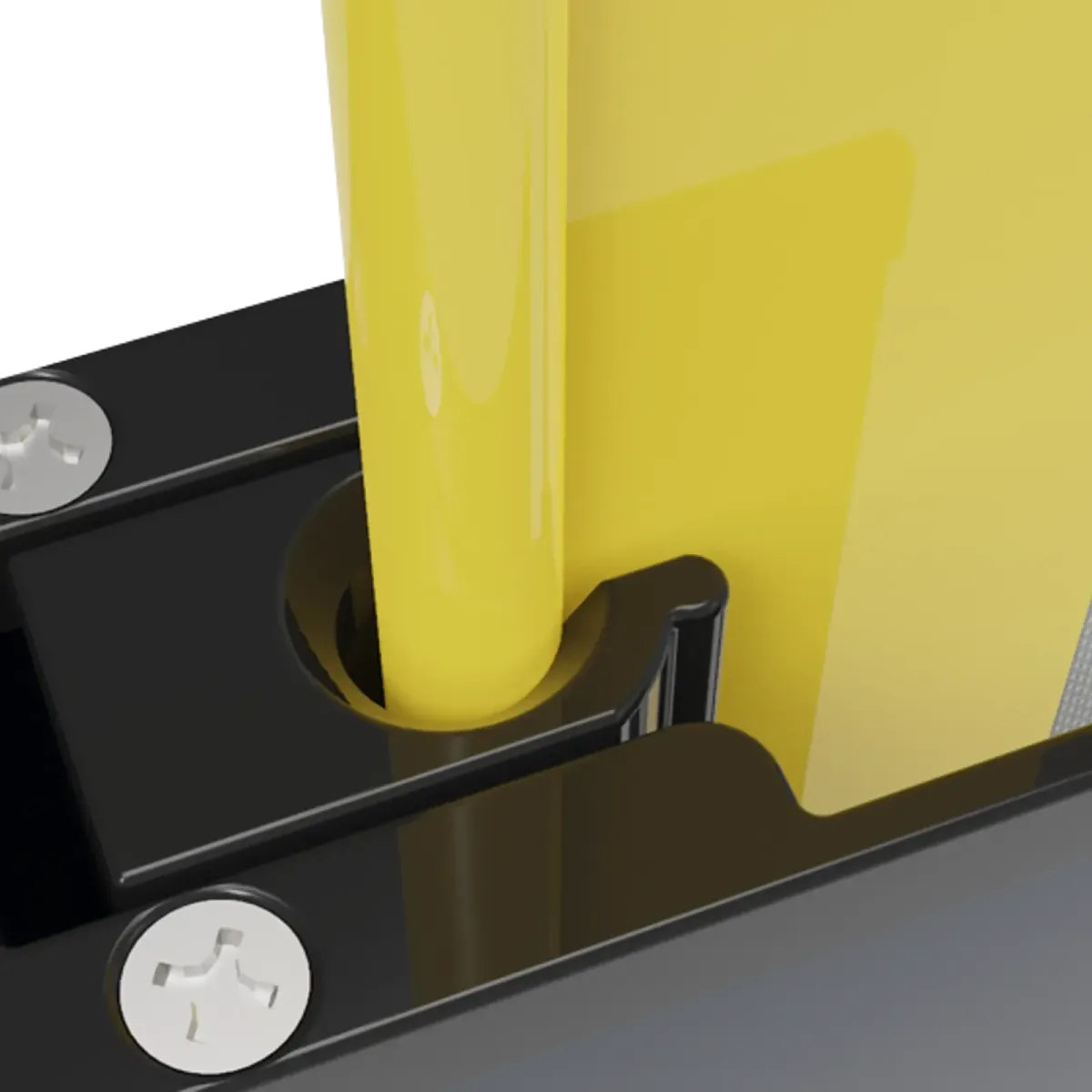
Recognizing that screen wear is most prominent at the corner where the weight bar and screen meet, Fenetex engineers designed a robust and flexible guide made of toughened nylon. This innovative design reinforces the corner connection, extending the screen's lifespan,
.
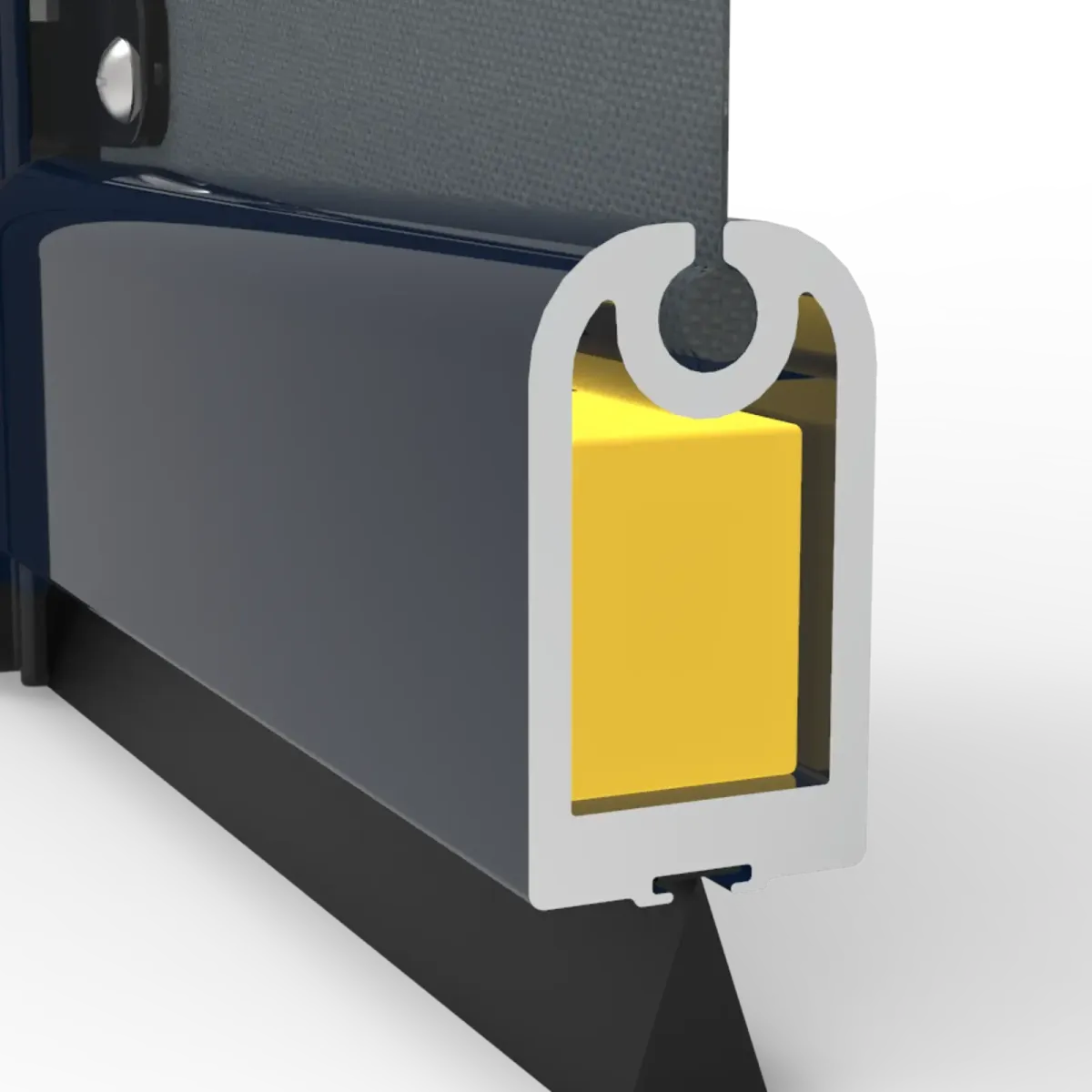
Fenetex offers a well-engineered, low-profile standard weight bar suitable for installations in low-wind areas. When rolled up, it minimizes visibility in storage. For locations with higher wind exposure, a heavier weight bar can be specified as needed.
.
Fenetex, as the first to employ keder-edged screens, opted against zippers, known for potential issues. Keder's smooth, durable design avoids past failures.
.
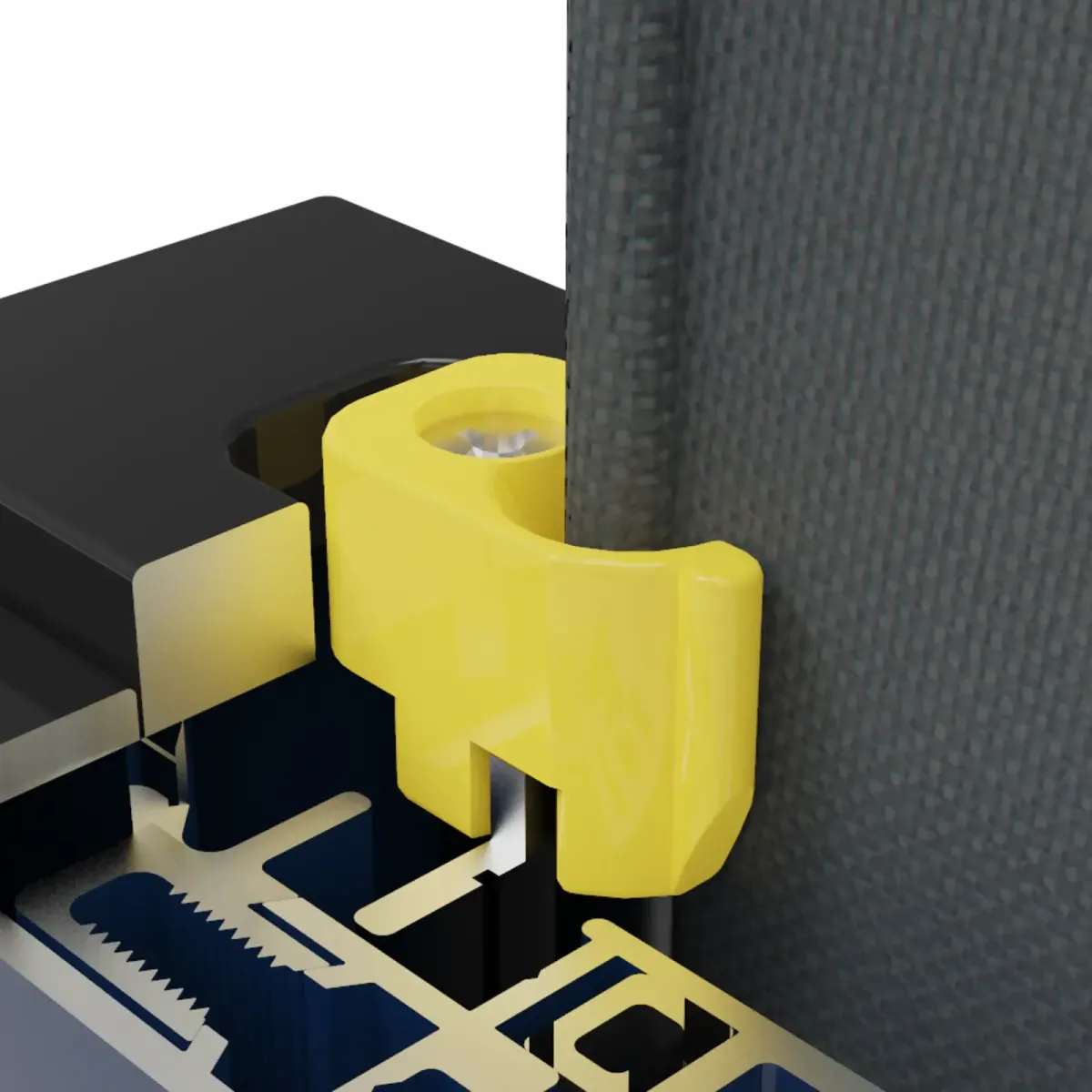
Fenetex retractable screens are designed to never come out of their tracks. The screen pre-feeder facilitates a smooth transition from the reel to the side track. Smart motors instantly halt the downward motion of the screen, preventing it from dislodging from the tracks.
.
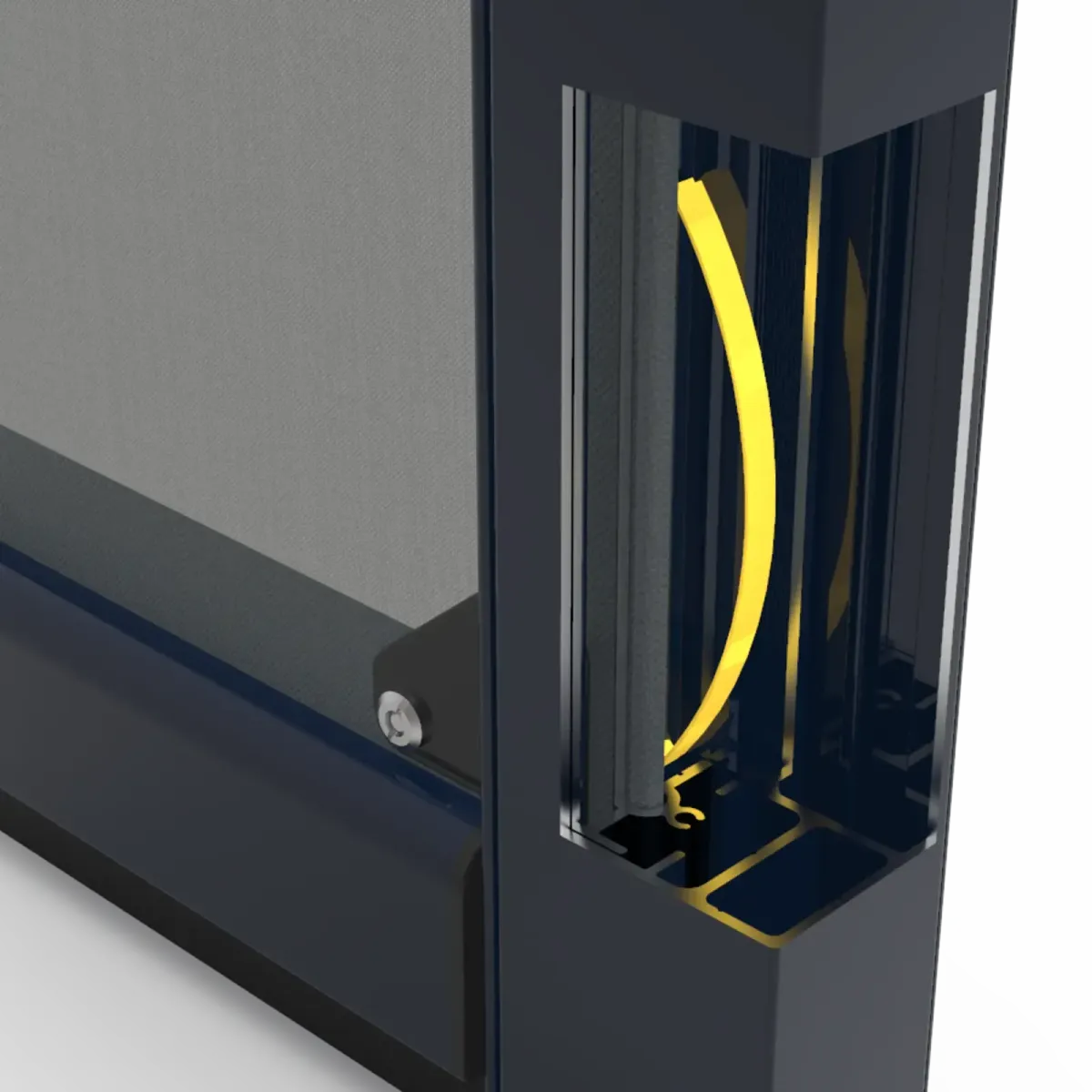
One-Track employs a unique spring-based tensioning system that ensures nearly silent operation of the screens. This technology prioritizes a quiet and comfortable outdoor experience. Think of it like shock absorbers in a car - It's the springs that give you a quiet comfortable ride.
.
FENETEX THE #1 RETRACTABLE SCREEN SOLUTION
Contact A+ Certified Screen Dealer Today...
IT'S AS EASY AS 1, 2, 3
Customize Your Screen
STEP ONE:
Choose Your Screen Color...
Backed by Twitchell’s OmegaTex fabric, our hurricane screens are engineered with ballistic-grade and enhanced fibers for maximum strength and durability. These fabrics aren’t just tough—they’re also UV-protected for long-lasting performance and crafted with aesthetics in mind. Choose from six elegant colors designed to complement the architecture of your home.
Nano 95
Our you looking for the perfect solutions to keep Mother Nature out. Nano 95 screens do exactly that.
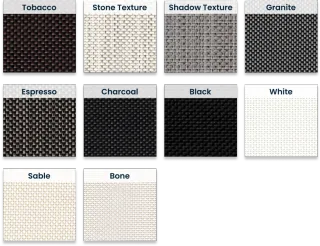
Colors:
Black, Stone Texture, Shadow Texture, Granite, Espresso, charcoal, white, bable, bone.
Nano 97
Do you want to create that perfect 4 season patio. Nano 97 block outdoor elements, provides maxium privancy, but they do not compormise visability.
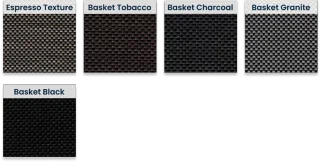
Colors:
Espresso Texture, Basket Tobacco, Basket Charcoal, Basket Granite, Basket Black.
Specialty AME 97
AME 97 Screens are as they sound, Special. They are the Provide altimate cliamate control for your patio or lanai.
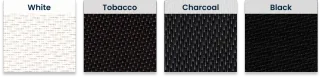
Colors:
White, Tobaco, Charcoal, Black
Black Out
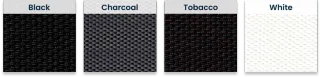
Do you have an annoying Neighbor or need Friday Night privacy. Black out screen are solid wall of pure unadlitrated privacy.
Black, Charcoal, Tabacco, White
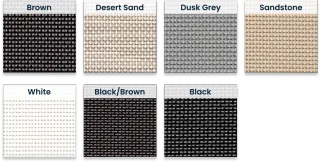
Textilene 80, 90.
The Textilene Series is all about weather control and air flow. Controal what you let in. If you block 80, then you allow 20%/10% to flow. Blocks dirt, rain, dander, harmful UV-Rays, and dust..
Colors:
Brown, Desert Sand, Busk Grey, Sandstoe, White, Black & Brown, Black
Textilene 95
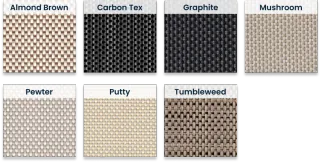
The Textilene Series is all about weather control and air flow. Controal what you let in. If you block 95, then you allow 5% to flow. Blocks dirt, rain, dander, harmful UV-Rays, and dust..
Colors:
Almond Brown, Carbon Tex, Graphite, Mushroom, Pewter, Putty, Tumbleweed...
STEP TWO:
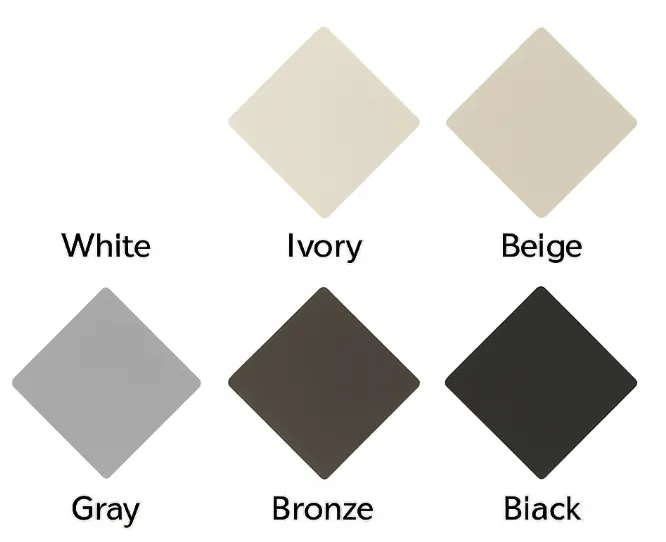
Choose Your Frame Color...
Choosing the right screen color is simple with Fenetex. Our standard color selections are designed to blend seamlessly with your architecture and framework, offering a clean, cohesive look. For unique designs, custom powder coating is available to match any project. All finishes are marine-grade and infused with UV ray inhibitors—built to endure the elements and maintain their beauty for years to come.
STEP THREE:
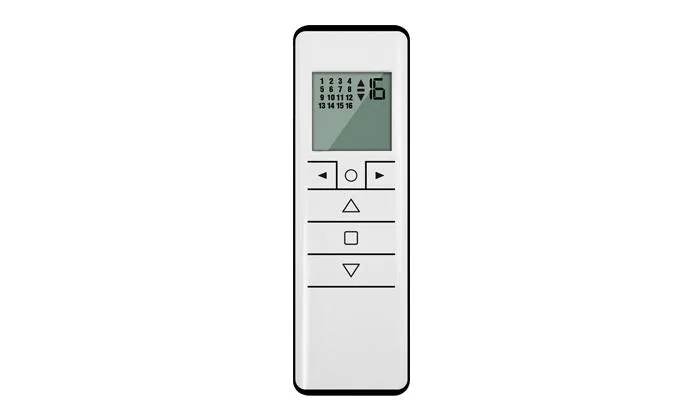
3. Choose Your Control...
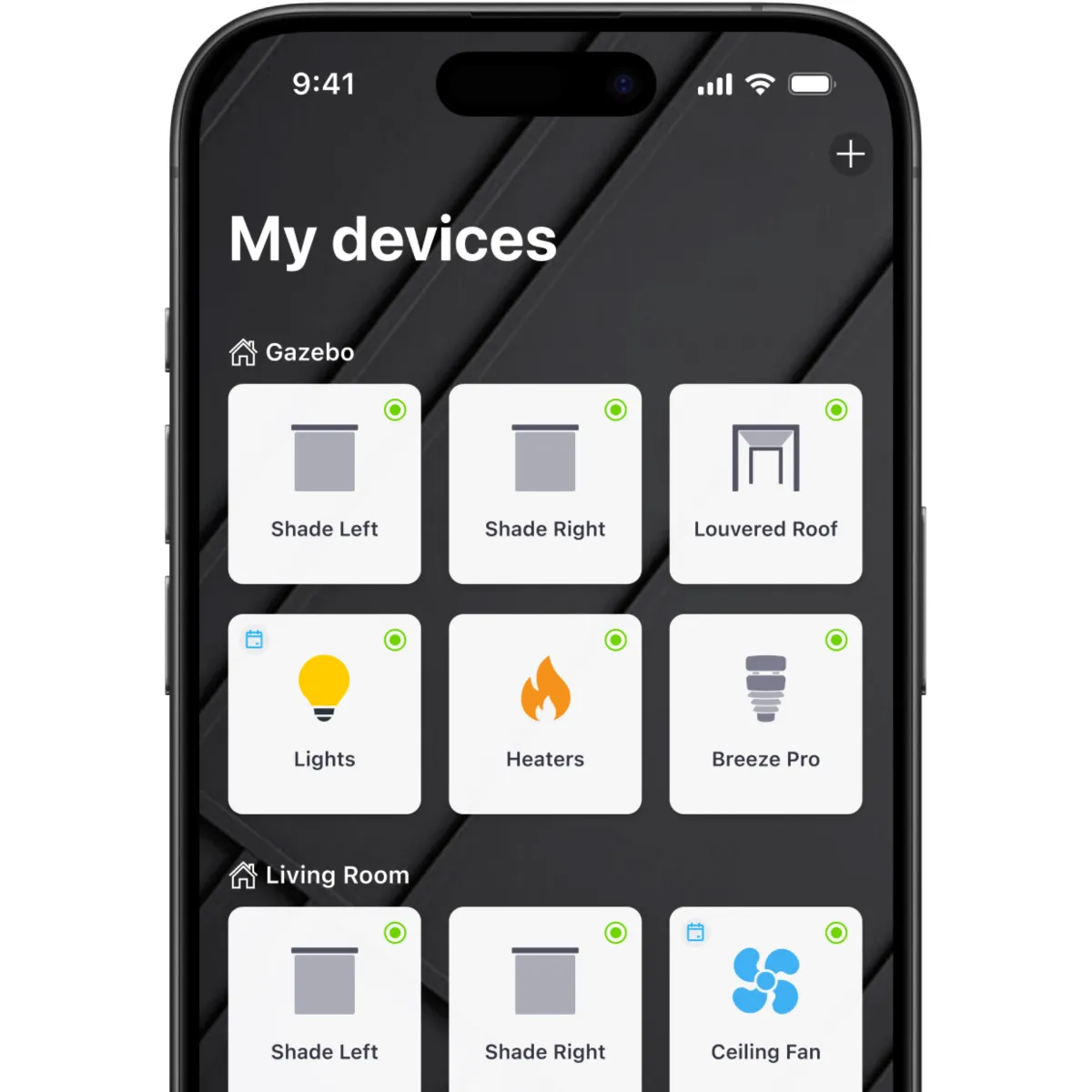
Selecting your preferred control method is effortless with Fenetex. Whether you choose handheld remotes, mobile apps, or smart home integration, our systems are designed to fit your lifestyle. No need to settle—just integrate and enjoy continuous, seamless operation 24/7. It's control on your terms, exactly when and where you need it.
FENETEX THE #1 RETRACTABLE SCREEN SOLUTION
Contact A+ Certified Screen Dealer Today...
ONE-TRACK SEAMLESS
Smart Home Integration
BLEND SEAMLESSLY
Take Control - Smart Hub.
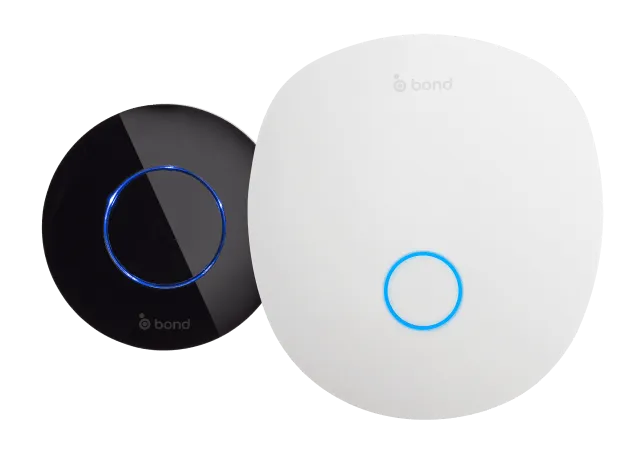
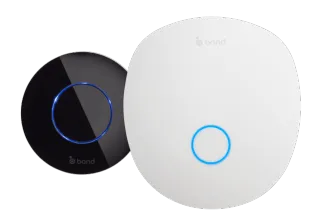
With the Bond Bridge Pro, managing your Fenetex MaxForce Hurricane Screens is seamless and smart. This powerful integration allows you to open or close your screens from anywhere using your smartphone, voice assistant, or home automation system. Whether you're at home, at work, or away on vacation, control is always at your fingertips.
COMPATIBLE INTEGRATION








VOICE ACTIVATION ASSISTANTS




SMART MOTOR TECHNOLOGIES



FENETEX THE #1 RETRACTABLE SCREEN SOLUTION
The Proud Dealer of Fenetex
One Track
Integrity Matters
Where It's Made Matters
AMERICAN INGENUITY
Made in the USA.
Proudly Made in the USA—every Fenetex screen's are built with American strength, precision, and pride. From the smallest components to the final assembly, our materials are sourced and manufactured right here in the United States. No outsourcing. No compromises. Just hardworking Americans protecting American homes with the toughest screen system on the market.

CONSISTENCY.
Quality Made. Professional Installation....
At FL OUTDOORr, quality isn’t a buzzword—it’s a promise. Every Fenetex system we install is a product of precision engineering and world-class American manufacturing, built to perform under pressure and look flawless doing it.
We are highly trained professionals who treat your home like their own. From laser-accurate measurements to clean, detail-focused installations, we don’t cut corners—we define them.
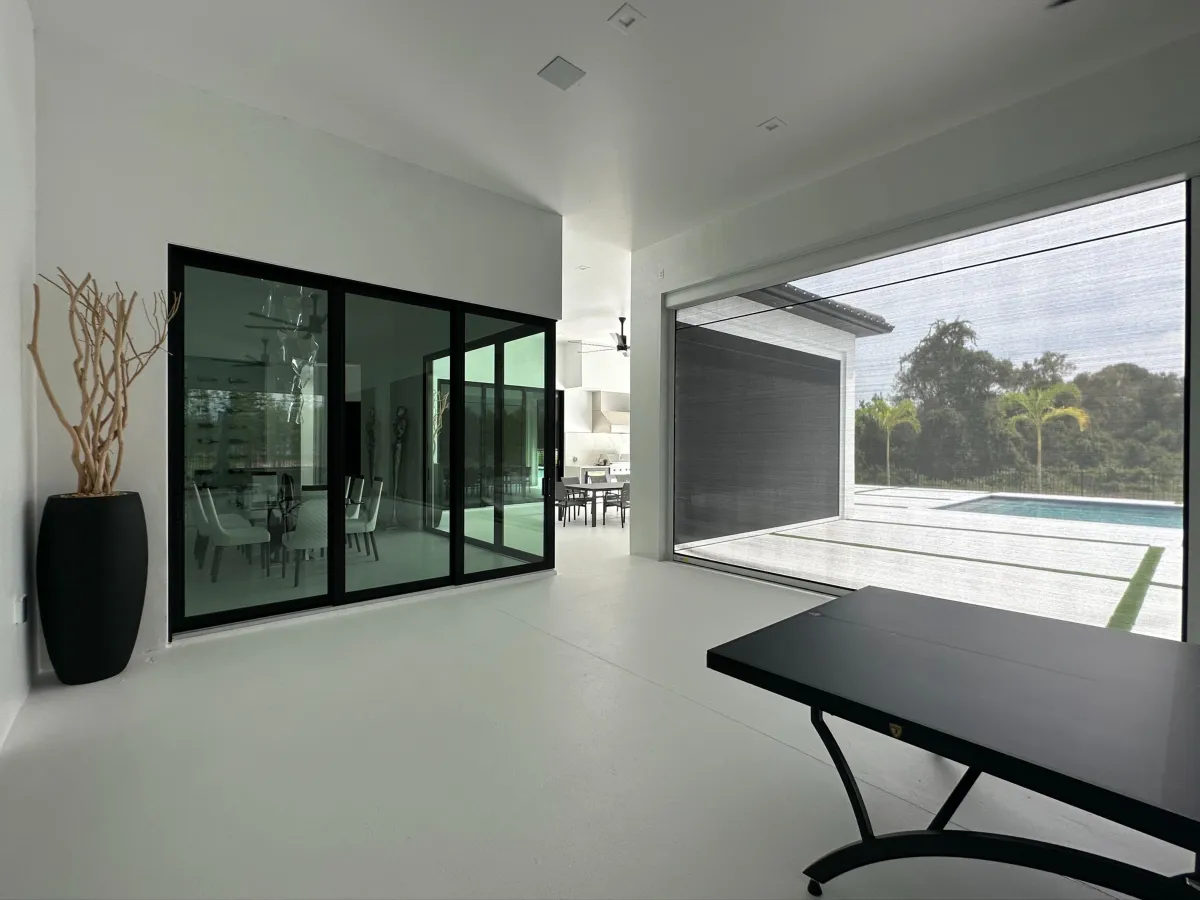
FENETEX THE #1 RETRACTABLE SCREEN SOLUTION
The Proud Dealer of Fenetex One Track
Florida Living Outdoors Solutions
Dual Specialties
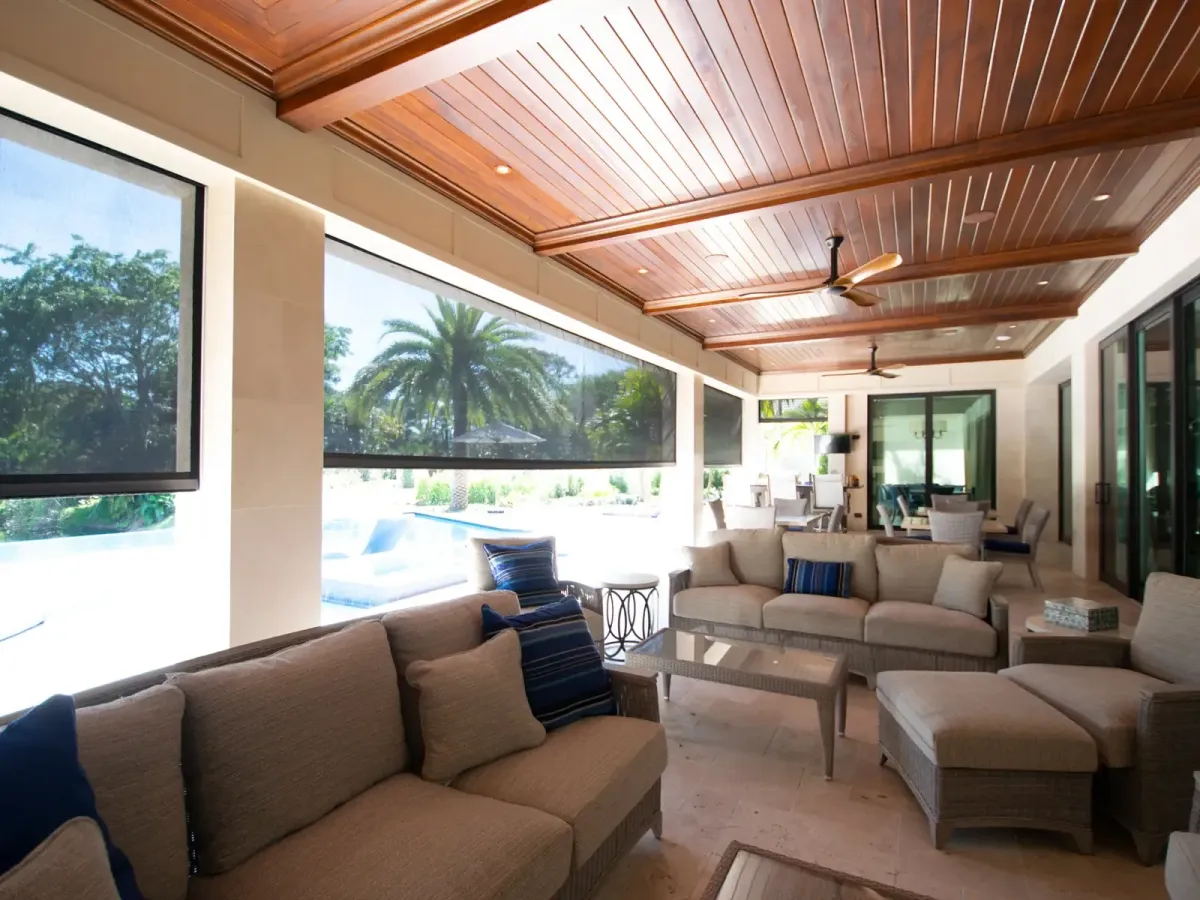
Residential Solutions
Home should be a sanctuary to relax, spend time with family, and maybe even entertain. Adding Fenetex screens to patios empowers you to curate any outdoor space so it complements your aesthetics and meets your needs
creens are the solution for both residential and commercial outdoor spaces. Having been in business since 2007, we continually innovate to improve our products and stay ahead of the industry.
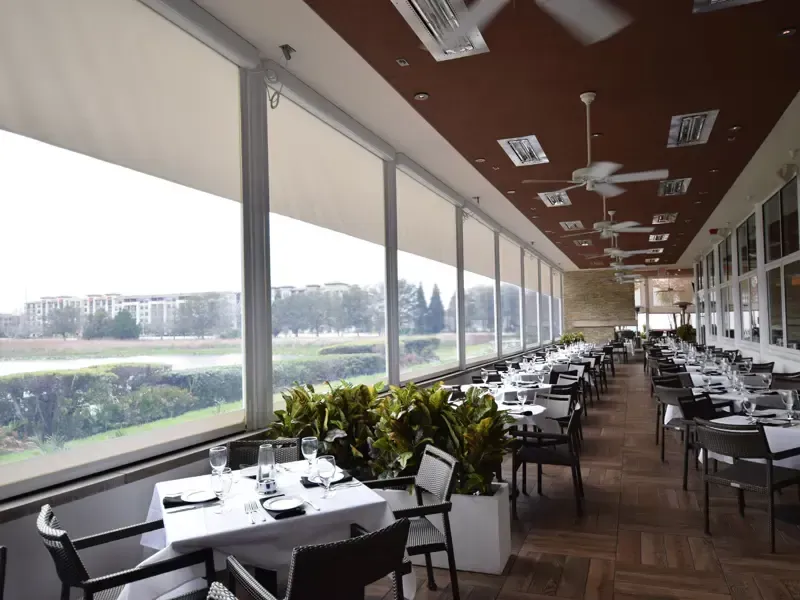
Commercial Solutions
Whether you're investing in your restaurant's patio seating or weather-proofing your outdoor event space, making sure those areas remain usable and enjoyable for guests is critical to the bottom line and your business' ultimate success
Does your restaurant’s patio contend with glaring sun? Or maybe the luxury outdoor kitchen at your home is being invaded by bugs? Maybe the upcoming hurricane season has you concerned. Whatever the challenge, Fenetex Motorized
S
See What Our Customers Are Saying About Us
FENETEX THE #1 RETRACTABLE SCREEN SOLUTION
The Proud Dealer of Fenetex One Track
BEYOND
The Here & Now
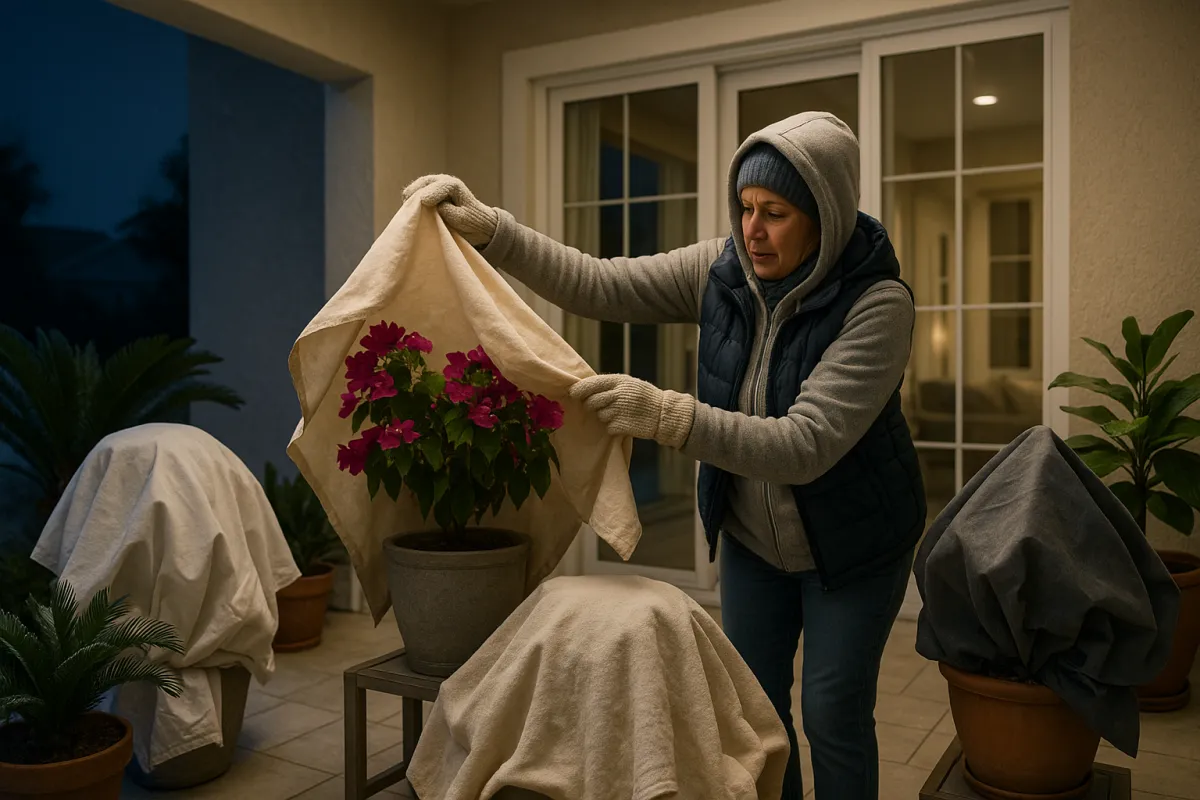
When It Freeze In Florida So Do Your Plants....
The Midnight Scramble
Eleven twenty-three PM. Tuesday in January.
You're already in pajamas. Nearly asleep. Your phone lights up with the alert you've been dreading.
Freeze Warning in Effect from 2 AM to 9 AM. Temperatures Expected to Drop to 32°F.
Your heart races.
Not again.
You throw on a hoodie. Head outside into forty-degree air. For the next hour, you're dragging sheets and blankets from the garage. Covering your prized bougainvillea—the one that took three years to establish. Wrapping your four-hundred-dollar sago palms in frost cloth. Moving potted hibiscus closer to the house. Draping tarps over your orchid collection. Hoping you've done enough.
Your neighbor's house? Dark and quiet.
Their motorized screens came down with a button press from bed. Their lanai plants are protected in a microclimate already eight to ten degrees warmer than your exposed patio.
By twelve forty-five, you're finally back in bed. Exhausted. Knowing you'll have to uncover everything by ten AM tomorrow or risk sun damage to the coverings.
There has to be a better way.
The Coastal Paradox
Here's what makes coastal Central Florida uniquely frustrating for gardeners.
The promise. Your climate is perfect for tropical landscaping. Bougainvillea. Hibiscus. Orchids. Bromeliads. Plumeria. Bird of paradise. All the gorgeous plants you see at botanical gardens. You can create year-round tropical paradise.
The reality. Flagler, Volusia, St. Johns Counties experience two to four freeze warnings every winter. Temperatures dropping to twenty-eight to thirty-five degrees. Cold enough to kill or severely damage tropical plants.
The cruel pattern. Ten months of perfection. Your tropical plants thrive. Grow beautifully. Bloom constantly. Two months of terror. January through February bring unpredictable freeze events. The aftermath. Five hundred to three thousand dollars in plant loss or damage per freeze event.
What's at Stake
Let's talk about what you stand to lose during single freeze event.
The big tickets. Sago palms: three hundred to five hundred each. Freeze damage causes frond death. Recovery takes one to two years. Severe freezes can kill them entirely.
Established bougainvillea: two hundred to four hundred plus three years growth. Dies back to roots in hard freeze. May or may not recover. Even if it does, you lose two to three years of growth.
Orchid collections: fifty to two hundred per plant. Many varieties die at thirty-five or below. No recovery. Total loss.
Bird of paradise: one hundred fifty to three hundred each. Foliage burns at thirty. Plants recover but look terrible for six-plus months.
Plumeria: eighty to two hundred each. Stem damage at thirty-three. Die-back requires cutting damaged sections. Lose one to two years of growth.
Bromeliads: thirty to eighty each. Freeze damage causes permanent scarring. Most don't recover.
The medium investments. Hibiscus: forty to eighty each. Severe die-back. Recovery possible but takes full season. Ixora: twenty-five to fifty each. Leaf burn and branch die-back. Slow recovery. Crotons: twenty to forty each. Leaves turn brown and fall off. Plants may survive but look awful for months.
The time investment. Beyond money, there's years of growth you lose. That bougainvillea that finally covered your arbor? Back to starter size. The orchid collection you've been building for five years? Decimated. The tropical garden you spent two years establishing? Needs complete replanting.
You can replace plants. You can't replace years.
The Solutions That Barely Work
You've tried everything coastal gardeners try.
Frost cloth. Two hundred to four hundred invested. Works if applied correctly. But it's eleven PM and you're trying to remember which plants are cold-hardy and which need covering. You're stumbling around in dark. Half the time you damage plants while covering them. And you'll need to uncover everything by mid-morning or risk sun damage to coverings.
Moving plants indoors for potted plants. Great in theory. Reality: you have thirty potted plants. Where are you putting them? They weigh forty to sixty pounds each. You're making fifteen trips at midnight. And they'll drop leaves indoors anyway from environment change.
Sheet and blanket method. You've raided your linen closet. Old blankets, sheets, tablecloths. Your tropical garden looks like ghost town. Sheets blow off in wind. Some plants are too large to cover effectively. And you're washing everything next day because it all got dirty and wet.
String lights and heat lamps. One hundred fifty to three hundred. Helps marginally. Burns a ton of electricity. Can cause fire hazard. Doesn't work if wind is strong.
Watering before freeze. This actually helps, but it's not complete solution. Wet soil retains heat better than dry soil. But it only provides two to three degrees of protection.
Hope and prayer. Check extended forecast obsessively. Hope freeze warnings are wrong. Plan emergency covering strategies. Still lose plants.
The Real Cost Over Time
Let's calculate true cost of freeze damage.
Conservative scenario. Minor freeze, basic landscaping. Event frequency: two freeze warnings per winter. Plant loss per event: four hundred. Replacement costs: eight hundred yearly. Ten-year cost: eight thousand.
Realistic scenario. Multiple freezes, tropical garden. Event frequency: three to four freeze warnings per winter. Plant loss per major freeze: twelve hundred. Annual replacement and recovery: two to three thousand yearly. Ten-year cost: twenty to thirty thousand.
Worst case scenario. Hard freeze, extensive landscaping. Event frequency: one to two hard freezes per decade. Catastrophic loss: five to eight thousand in single event. Plus annual minor losses: fifteen hundred yearly. Ten-year cost: twenty to thirty-five thousand.
And this doesn't include time spent covering and uncovering plants—fifty-plus hours per winter. Stress and sleep loss from midnight scrambles. Aesthetic loss. Damaged plants look terrible for months. Emotional toll. Watching years of work destroyed overnight.
What Actually Protects
Linda and Robert, Palm Coast.
They'd spent four years creating stunning tropical lanai garden. Orchids mounted on trees. Bougainvillea cascading from roof. Bird of paradise in corners. Bromeliads everywhere. Over four thousand invested plus hundreds of hours.
January twenty-twenty-four. Hard freeze. Twenty-eight degrees for four hours.
They lost sixty percent of their plants in one night. Twenty-four hundred worth. Years of growth destroyed.
December twenty-twenty-four. They contacted Florida Living Outdoor and installed MagnaTrack motorized screens.
January twenty-twenty-five. Same freeze conditions. Twenty-eight forecasted.
What happened. Eight PM: screens deployed with one button press. Eleven PM: small space heater turned on. Two AM—coldest point: outside temp twenty-eight, inside screened lanai thirty-nine. Plant damage: zero. Not a single leaf affected.
The result. Twelve thousand screen investment protected four thousand in plants. But more importantly, protected four years of growth and care.
The Science
The greenhouse effect. When you enclose your lanai with screens, you create greenhouse-like environment that naturally retains heat. Solar heat gain during day. Screens trap warmth from afternoon sun. Radiant heat retention at night. Enclosed space holds heat that would otherwise escape. Wind protection. Screens block cold wind that accelerates heat loss. Minimal heating required. Just small space heater can maintain safe temperatures.
Florida Living Outdoor specializes in both Fenetex and MagnaTrack systems—both engineered to create these protective microclimates for your tropical plants.
The math. Outside temperature: thirty-two—freeze warning. Screened lanai with no additional heat: thirty-eight to forty—marginal protection. Screened lanai with small heater: forty-two to forty-five—complete protection for most tropicals.
Critical thresholds for common coastal plants. Orchids: damage at thirty-five. Bougainvillea: damage at thirty. Hibiscus: damage at thirty-two. Bird of paradise: damage at thirty. Sago palms: damage at twenty-five.
With screens plus minimal heating, you easily maintain forty to forty-five. Safe for virtually all tropical plants.
The Flexibility
Motorized screens give you options traditional freeze protection doesn't.
Perfect weather with no freeze risk. Action: screens stay retracted. Result: full airflow, open growing environment. Plant benefit: maximum light, natural rain, optimal growth.
Freeze warning forecasted. Action: deploy screens evening before freeze. Result: gradual temperature stabilization. Plant benefit: no shock from sudden temperature change.
Hard freeze below twenty-eight. Action: deploy screens plus add small heater. Result: microclimate ten to fifteen degrees warmer than outside. Plant benefit: complete protection without individual covering.
Morning after freeze. Action: leave screens down until temps rise, then retract. Result: gradual warming prevents shock. Plant benefit: safe transition back to normal conditions.
Year-Round Benefits
Motorized screens don't just protect against cold.
Summer storm protection. Hurricane-rated screens protect plants from wind damage. Reduce rain pummeling of delicate blooms. Prevent salt spray damage during tropical storms.
UV protection. Solar screens reduce intense midday UV. Prevents leaf burn on sensitive species. Extends blooming period for orchids and other flowers.
Pest management. Physical barrier against many flying insects. Reduces pest pressure on plants. Easier to maintain healthy garden environment.
Humidity control. Enclosed space retains moisture. Reduces watering frequency. Better environment for humidity-loving tropicals.
What They Wish They'd Known
Carol, Flagler Beach: "I lost three years of bougainvillea growth in one freeze. Next year, I installed screens. That same plant has been thriving for four years since. No freeze damage. Best decision I ever made for my garden."
Thomas, New Smyrna Beach: "My orchid collection was my pride and joy. After losing eight hundred worth in single freeze, I got motorized screens. Now I sleep through freeze warnings knowing my orchids are safe."
Linda and Robert, Palm Coast: "The screens paid for themselves in two years just from avoided plant replacement costs. But honestly, the peace of mind is priceless. No more midnight panic attacks."
The Conversation
Neighbor: "How did your plants survive that freeze? Mine are destroyed."
You: "Motorized screens. One button press and my lanai stays above forty even when it's freezing outside."
Neighbor: "What about airflow? Don't plants need fresh air?"
You: "They're only enclosed during freezes. Maybe ten to fifteen nights per winter. Rest of the time, screens are retracted and plants get full sun and rain."
Neighbor: "I just lost twelve hundred in plants. What did screens cost?"
You: "Less than what you just lost. And they'll protect my plants for the next twenty years."
Your Garden Deserves Protection
You didn't spend years establishing tropical paradise to watch it die in one freeze.
You didn't invest thousands in beautiful plants to panic every January.
Your coastal garden deserves protection that lets it thrive year-round. Not just survive.
One installation. Decades of protection. Zero midnight scrambles.
Stop covering plants at midnight. Start protecting them automatically.
Ready to protect your garden? Contact Florida Living Outdoor to schedule your free consultation. We'll show you the protection possible with MagnaTrack and Fenetex motorized screen systems.
Serving Flagler, Volusia, and St. Johns Counties
P.S. The guide: "How Coastal Homeowners Save Thousands in Plants." Plant temperature thresholds. Protection strategies. Microclimate science.

BEYOND
The Here & Now
When It Freeze In Florida So Do Your Plants....
The Midnight Scramble
Eleven twenty-three PM. Tuesday in January.
You're already in pajamas. Nearly asleep. Your phone lights up with the alert you've been dreading.
Freeze Warning in Effect from 2 AM to 9 AM. Temperatures Expected to Drop to 32°F.
Your heart races.
Not again.
You throw on a hoodie. Head outside into forty-degree air. For the next hour, you're dragging sheets and blankets from the garage. Covering your prized bougainvillea—the one that took three years to establish. Wrapping your four-hundred-dollar sago palms in frost cloth. Moving potted hibiscus closer to the house. Draping tarps over your orchid collection. Hoping you've done enough.
Your neighbor's house? Dark and quiet.
Their motorized screens came down with a button press from bed. Their lanai plants are protected in a microclimate already eight to ten degrees warmer than your exposed patio.
By twelve forty-five, you're finally back in bed. Exhausted. Knowing you'll have to uncover everything by ten AM tomorrow or risk sun damage to the coverings.
There has to be a better way.
The Coastal Paradox
Here's what makes coastal Central Florida uniquely frustrating for gardeners.
The promise. Your climate is perfect for tropical landscaping. Bougainvillea. Hibiscus. Orchids. Bromeliads. Plumeria. Bird of paradise. All the gorgeous plants you see at botanical gardens. You can create year-round tropical paradise.
The reality. Flagler, Volusia, St. Johns Counties experience two to four freeze warnings every winter. Temperatures dropping to twenty-eight to thirty-five degrees. Cold enough to kill or severely damage tropical plants.
The cruel pattern. Ten months of perfection. Your tropical plants thrive. Grow beautifully. Bloom constantly. Two months of terror. January through February bring unpredictable freeze events. The aftermath. Five hundred to three thousand dollars in plant loss or damage per freeze event.
What's at Stake
Let's talk about what you stand to lose during single freeze event.
The big tickets. Sago palms: three hundred to five hundred each. Freeze damage causes frond death. Recovery takes one to two years. Severe freezes can kill them entirely.
Established bougainvillea: two hundred to four hundred plus three years growth. Dies back to roots in hard freeze. May or may not recover. Even if it does, you lose two to three years of growth.
Orchid collections: fifty to two hundred per plant. Many varieties die at thirty-five or below. No recovery. Total loss.
Bird of paradise: one hundred fifty to three hundred each. Foliage burns at thirty. Plants recover but look terrible for six-plus months.
Plumeria: eighty to two hundred each. Stem damage at thirty-three. Die-back requires cutting damaged sections. Lose one to two years of growth.
Bromeliads: thirty to eighty each. Freeze damage causes permanent scarring. Most don't recover.
The medium investments. Hibiscus: forty to eighty each. Severe die-back. Recovery possible but takes full season. Ixora: twenty-five to fifty each. Leaf burn and branch die-back. Slow recovery. Crotons: twenty to forty each. Leaves turn brown and fall off. Plants may survive but look awful for months.
The time investment. Beyond money, there's years of growth you lose. That bougainvillea that finally covered your arbor? Back to starter size. The orchid collection you've been building for five years? Decimated. The tropical garden you spent two years establishing? Needs complete replanting.
You can replace plants. You can't replace years.
The Solutions That Barely Work
You've tried everything coastal gardeners try.
Frost cloth. Two hundred to four hundred invested. Works if applied correctly. But it's eleven PM and you're trying to remember which plants are cold-hardy and which need covering. You're stumbling around in dark. Half the time you damage plants while covering them. And you'll need to uncover everything by mid-morning or risk sun damage to coverings.
Moving plants indoors for potted plants. Great in theory. Reality: you have thirty potted plants. Where are you putting them? They weigh forty to sixty pounds each. You're making fifteen trips at midnight. And they'll drop leaves indoors anyway from environment change.
Sheet and blanket method. You've raided your linen closet. Old blankets, sheets, tablecloths. Your tropical garden looks like ghost town. Sheets blow off in wind. Some plants are too large to cover effectively. And you're washing everything next day because it all got dirty and wet.
String lights and heat lamps. One hundred fifty to three hundred. Helps marginally. Burns a ton of electricity. Can cause fire hazard. Doesn't work if wind is strong.
Watering before freeze. This actually helps, but it's not complete solution. Wet soil retains heat better than dry soil. But it only provides two to three degrees of protection.
Hope and prayer. Check extended forecast obsessively. Hope freeze warnings are wrong. Plan emergency covering strategies. Still lose plants.
The Real Cost Over Time
Let's calculate true cost of freeze damage.
Conservative scenario. Minor freeze, basic landscaping. Event frequency: two freeze warnings per winter. Plant loss per event: four hundred. Replacement costs: eight hundred yearly. Ten-year cost: eight thousand.
Realistic scenario. Multiple freezes, tropical garden. Event frequency: three to four freeze warnings per winter. Plant loss per major freeze: twelve hundred. Annual replacement and recovery: two to three thousand yearly. Ten-year cost: twenty to thirty thousand.
Worst case scenario. Hard freeze, extensive landscaping. Event frequency: one to two hard freezes per decade. Catastrophic loss: five to eight thousand in single event. Plus annual minor losses: fifteen hundred yearly. Ten-year cost: twenty to thirty-five thousand.
And this doesn't include time spent covering and uncovering plants—fifty-plus hours per winter. Stress and sleep loss from midnight scrambles. Aesthetic loss. Damaged plants look terrible for months. Emotional toll. Watching years of work destroyed overnight.
What Actually Protects
Linda and Robert, Palm Coast.
They'd spent four years creating stunning tropical lanai garden. Orchids mounted on trees. Bougainvillea cascading from roof. Bird of paradise in corners. Bromeliads everywhere. Over four thousand invested plus hundreds of hours.
January twenty-twenty-four. Hard freeze. Twenty-eight degrees for four hours.
They lost sixty percent of their plants in one night. Twenty-four hundred worth. Years of growth destroyed.
December twenty-twenty-four. They contacted Florida Living Outdoor and installed MagnaTrack motorized screens.
January twenty-twenty-five. Same freeze conditions. Twenty-eight forecasted.
What happened. Eight PM: screens deployed with one button press. Eleven PM: small space heater turned on. Two AM—coldest point: outside temp twenty-eight, inside screened lanai thirty-nine. Plant damage: zero. Not a single leaf affected.
The result. Twelve thousand screen investment protected four thousand in plants. But more importantly, protected four years of growth and care.
The Science
The greenhouse effect. When you enclose your lanai with screens, you create greenhouse-like environment that naturally retains heat. Solar heat gain during day. Screens trap warmth from afternoon sun. Radiant heat retention at night. Enclosed space holds heat that would otherwise escape. Wind protection. Screens block cold wind that accelerates heat loss. Minimal heating required. Just small space heater can maintain safe temperatures.
Florida Living Outdoor specializes in both Fenetex and MagnaTrack systems—both engineered to create these protective microclimates for your tropical plants.
The math. Outside temperature: thirty-two—freeze warning. Screened lanai with no additional heat: thirty-eight to forty—marginal protection. Screened lanai with small heater: forty-two to forty-five—complete protection for most tropicals.
Critical thresholds for common coastal plants. Orchids: damage at thirty-five. Bougainvillea: damage at thirty. Hibiscus: damage at thirty-two. Bird of paradise: damage at thirty. Sago palms: damage at twenty-five.
With screens plus minimal heating, you easily maintain forty to forty-five. Safe for virtually all tropical plants.
The Flexibility
Motorized screens give you options traditional freeze protection doesn't.
Perfect weather with no freeze risk. Action: screens stay retracted. Result: full airflow, open growing environment. Plant benefit: maximum light, natural rain, optimal growth.
Freeze warning forecasted. Action: deploy screens evening before freeze. Result: gradual temperature stabilization. Plant benefit: no shock from sudden temperature change.
Hard freeze below twenty-eight. Action: deploy screens plus add small heater. Result: microclimate ten to fifteen degrees warmer than outside. Plant benefit: complete protection without individual covering.
Morning after freeze. Action: leave screens down until temps rise, then retract. Result: gradual warming prevents shock. Plant benefit: safe transition back to normal conditions.
Year-Round Benefits
Motorized screens don't just protect against cold.
Summer storm protection. Hurricane-rated screens protect plants from wind damage. Reduce rain pummeling of delicate blooms. Prevent salt spray damage during tropical storms.
UV protection. Solar screens reduce intense midday UV. Prevents leaf burn on sensitive species. Extends blooming period for orchids and other flowers.
Pest management. Physical barrier against many flying insects. Reduces pest pressure on plants. Easier to maintain healthy garden environment.
Humidity control. Enclosed space retains moisture. Reduces watering frequency. Better environment for humidity-loving tropicals.
What They Wish They'd Known
Carol, Flagler Beach: "I lost three years of bougainvillea growth in one freeze. Next year, I installed screens. That same plant has been thriving for four years since. No freeze damage. Best decision I ever made for my garden."
Thomas, New Smyrna Beach: "My orchid collection was my pride and joy. After losing eight hundred worth in single freeze, I got motorized screens. Now I sleep through freeze warnings knowing my orchids are safe."
Linda and Robert, Palm Coast: "The screens paid for themselves in two years just from avoided plant replacement costs. But honestly, the peace of mind is priceless. No more midnight panic attacks."
The Conversation
Neighbor: "How did your plants survive that freeze? Mine are destroyed."
You: "Motorized screens. One button press and my lanai stays above forty even when it's freezing outside."
Neighbor: "What about airflow? Don't plants need fresh air?"
You: "They're only enclosed during freezes. Maybe ten to fifteen nights per winter. Rest of the time, screens are retracted and plants get full sun and rain."
Neighbor: "I just lost twelve hundred in plants. What did screens cost?"
You: "Less than what you just lost. And they'll protect my plants for the next twenty years."
Your Garden Deserves Protection
You didn't spend years establishing tropical paradise to watch it die in one freeze.
You didn't invest thousands in beautiful plants to panic every January.
Your coastal garden deserves protection that lets it thrive year-round. Not just survive.
One installation. Decades of protection. Zero midnight scrambles.
Stop covering plants at midnight. Start protecting them automatically.
Ready to protect your garden? Contact Florida Living Outdoor to schedule your free consultation. We'll show you the protection possible with MagnaTrack and Fenetex motorized screen systems.
Serving Flagler, Volusia, and St. Johns Counties
P.S. The guide: "How Coastal Homeowners Save Thousands in Plants." Plant temperature thresholds. Protection strategies. Microclimate science.
What makes Fenetex motorized screens different from other brands?
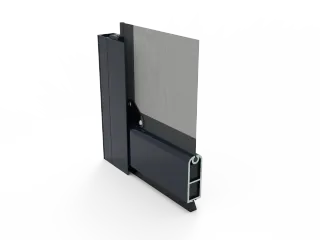
Fenetex screens use a patented dual-track system that resists wind and keeps the screen tight and in place. Unlike traditional zipper systems, Fenetex screens are engineered for durability, self-correction, and long-term performance—even in extreme weather conditions.
Can Fenetex screens withstand strong winds or hurricanes?
Yes. Fenetex offers hurricane-rated screens, MaxForce, that can be engineered to meet local building codes and tested to withstand wind speeds up to 185+ mph. One-Track can withstand Winds Up To 100 mph. They're ideal for protecting patios, lanais, and outdoor living spaces in storm-prone areas like Florida.

What types of screens are available from Fenetex?
Answer:
Fenetex offers multiple screen options to fit different needs:
Bug Screens – Keep insects out while maintaining airflow.
Solar Screens – Block UV rays and reduce heat and glare.
Privacy Screens – Add seclusion with tinted or opaque materials.
Hurricane Screens – Provide structural protection during storms.
All screens can be interchangeable in the same frame system.
4. How are the screens controlled?
Fenetex motorized screens are powered by a quiet, remote-controlled motor. You can operate them with a handheld remote, wall switch, or even integrate them with your home automation system, depending on your setup.
Is there a warranty on Fenetex screens?
Yes. Fenetex stands behind its craftsmanship with one of the best warranties in the industry. Depending on the type of screen, there are warranties on the motor, frame, and fabric, and the welded keder attachment is backed by a lifetime warranty.

FLO... CREATING LUXURY OUTDOOR
Work requiring DBPR licensure in partnership with CGC1532839
MOTORIZED SCREENS
Warranty
FENCE
Horizontal Fencing
Greenwood Fence
PERGOLAS
Azenco-Outdoors
R-Blade Motorized Louver Roofs
R-Shade Insulated Roof
COMPANY INFO
About FL Outdoors
FL Outdoor News
Service Area
FAQ
IMPORTANT INFO
SERVICE AREA CENTRAL FLORIDA
Mount Dora
Longwood
Maitland
Seminole County
Windermere
Lake Nona
SERVICE AREA PALM BEACH
Boca
Boynton Beach
Delray Beach
Jupiter
SERVICE AREA BROWARD COUNTY
Fort Lauderdale
Deerfield Beach
Light House Point
Plantation
South West Ranches
SERVICE AREA VOLUSIA COUNTY
Daytona Beach
Edgewater
Orman Beach
Port Orange
SERVICE AREA FLAGLER
Beverly Beach
Bunnell
SERVICE AREA BREVARD
Merritt Island
Satellite Beach
Melbourne
PALM BAY
STAY CONNECTED


Facebook
Instagram
X
LinkedIn
Youtube
TikTok
Pinterest