

PROTECTION THAT PERFORM
No Blowouts. No Rewraps. No Compromise....
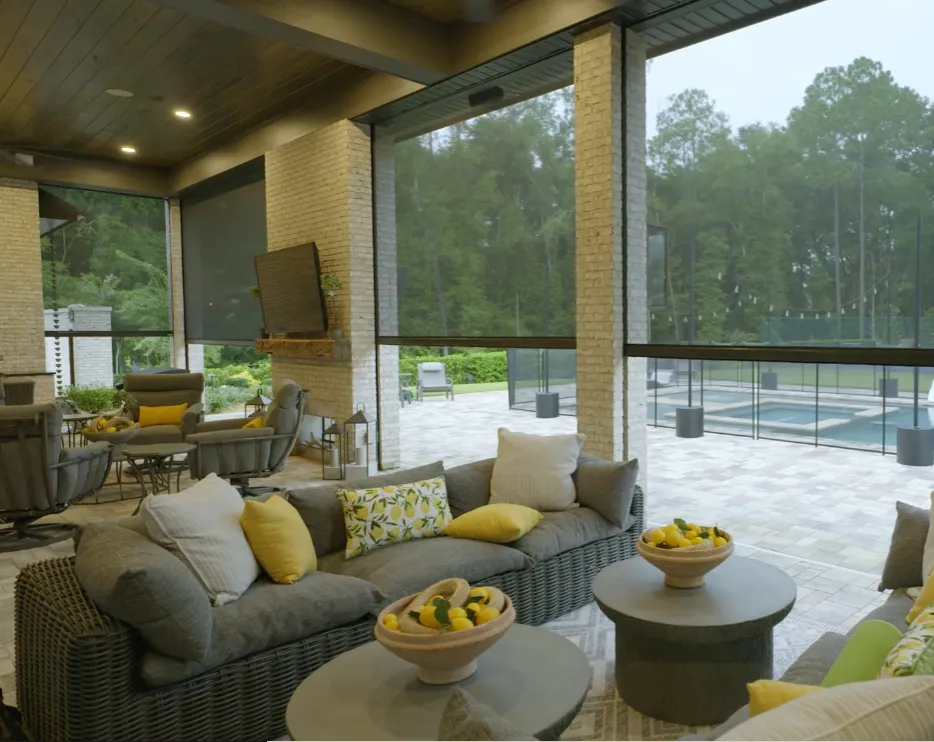
One-Track Retractable Screens are the result of years of real-world testing, research, and engineering refinement. Built to withstand the harshest conditions without sacrificing aesthetics, they offer maximum protection for your patio or lanai with hurricane-rated performance.
Tested, Trusted, Proven, and Never compromised—these screens are built for the long haul:

Contact A+ Certified Screen Dealer Today...
ONE TRACK & FL OUTDOOR
READY FOR LIFE'S STORMS
THE HIGHEST STANDARD
ONE TRACK SCREEN SYSTEMS
Fenetex introduced the patented quiet spring technology, the core of our One-Track system, nearly a decade ago.
We've crafted the perfect self-adjusting screen system that operates beautifully silently when deployed, ensures frustration-free operation, and can be used in almost any weather condition.
While others have experimented with alternative methods to achieve the advantages of our One-Track screens, none have achieved the unique combination of near-silence, ease of operation, affordability, high reliability, and exceptional dependability.
ONE TRACK
Eleminates 99% of Know Service Calls

Self Adjusting Track
One-Track is the only screen on the market that can self correct and auto refeed screen should they become dislouged.

Max Corrosion Protection
Powder Coated Aluminum Protects your investment from exposer and Corrosion.

Heavy-Duty Design
Our screens are designed to withstand the extreme. High wind, Rain, or Shine, Dust Dirt, Dander, it does not matter. MaxForce Cover it all
Contact A+ Certified Screen Dealer Today...
LOCK TIGHT - KEDER TECHNOLOGY.
Good by Zipper Track System
Fenetex was the first in the industry to replace traditional zipper systems with Keder-based side retention technology, setting a new benchmark for strength and reliability. Proven over years of success, this innovation delivers smooth operation, superior wind resistance, and long-term durability
Lock Tight Side Retention
Prevent Screen Hangups
Prevent Jams
Prevent Snaggs
Prevent Rewraps.
Uniques "Lock Tight" Side Retenion Keder System.
The Fenetex Keder is made with a strong Nylon cord wrapped in smooth, slippery fabric, so it can slide into the edge of the screen track and hold tight—just like how sailboats use Keder to attach their sails to the mast. Fenetex was the first to bring this smart technology to retractable screens back in 2007.
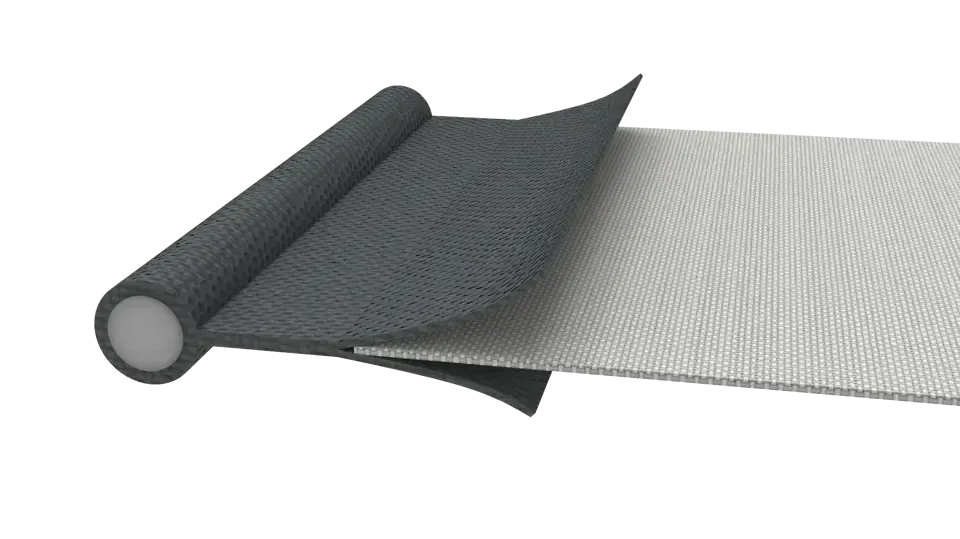
One
A Decade of Refining Keder Performance
We made our Keder system just right by picking the best cord, fabric, and special coatings. After more than 10 years of testing and using it, it works really well and lasts a long time.
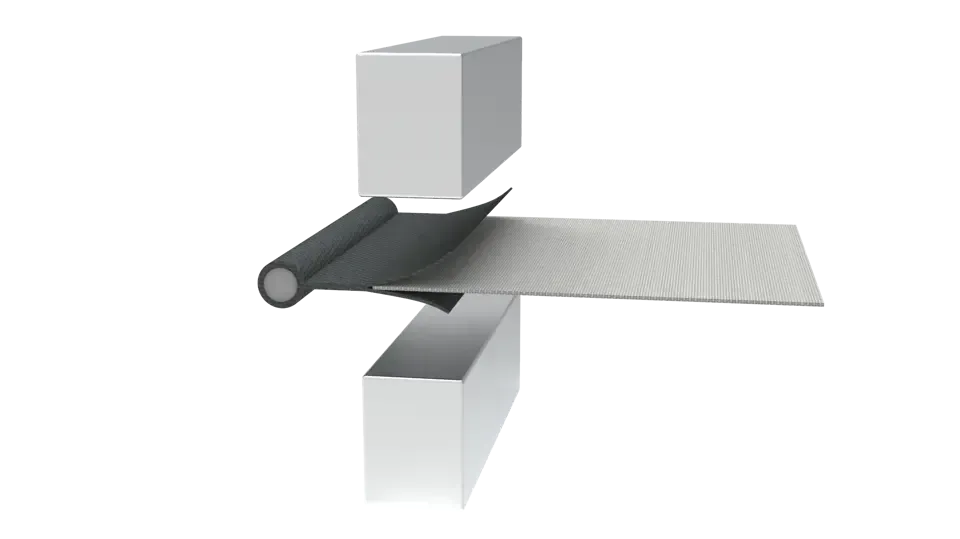
TWO
An Advanced High-Energy Bonding Process
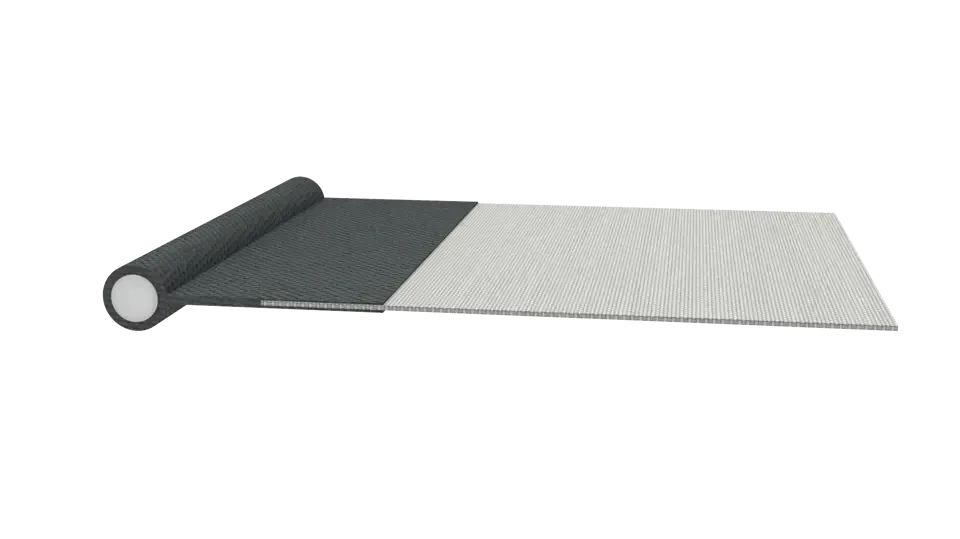
Thenm, the edge of the screen is cut just right and put into the Fenetex keder. Then, two bars—one on top and one on the bottom—press together to start the sticking process.
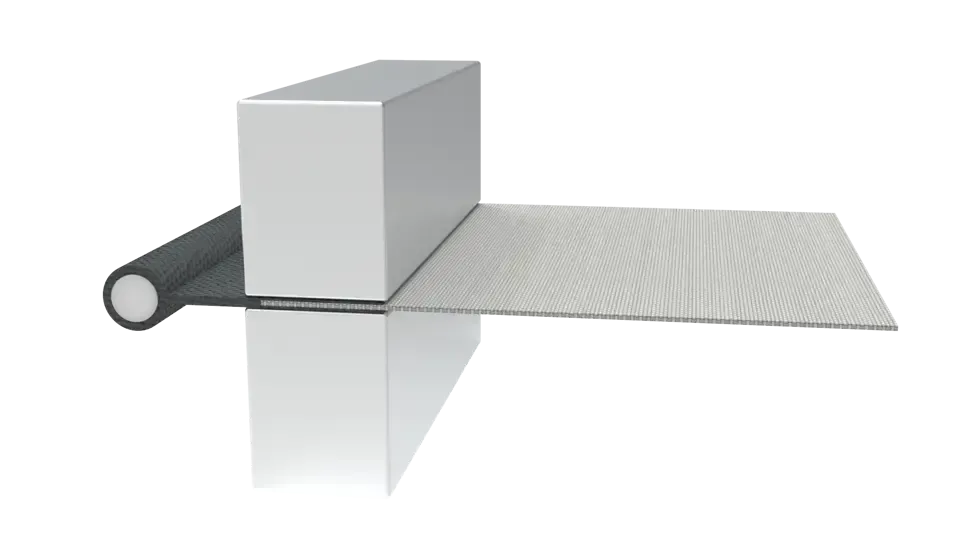
THREE
Molecular-Level Bonding Keder To Screen
After welding, the keder and screen become one solid piece—no zippers, glue, or stitching to fail. It's built to last, and we guarantee it with a lifetime warranty.
FOUR
Backed By Lifetime Warranty
Last , Once the weld is finished, the keder and screen are fused together for good—no zippers, glue, or stitching to worry about. It's a bond that lasts, which is why we back it with a lifetime warranty.


ADJUSTABLE ABILITY:
Free Floating Track
LOCKS TIGHT
Quite Spring Technology

RATE FOR
100 mph Wind Zone
APPLICATION
Residential and Commercial
Contact A+ Certified Screen Dealer Today...
DESIGNED TO THE NINES
ONE-TRACK FEATURES
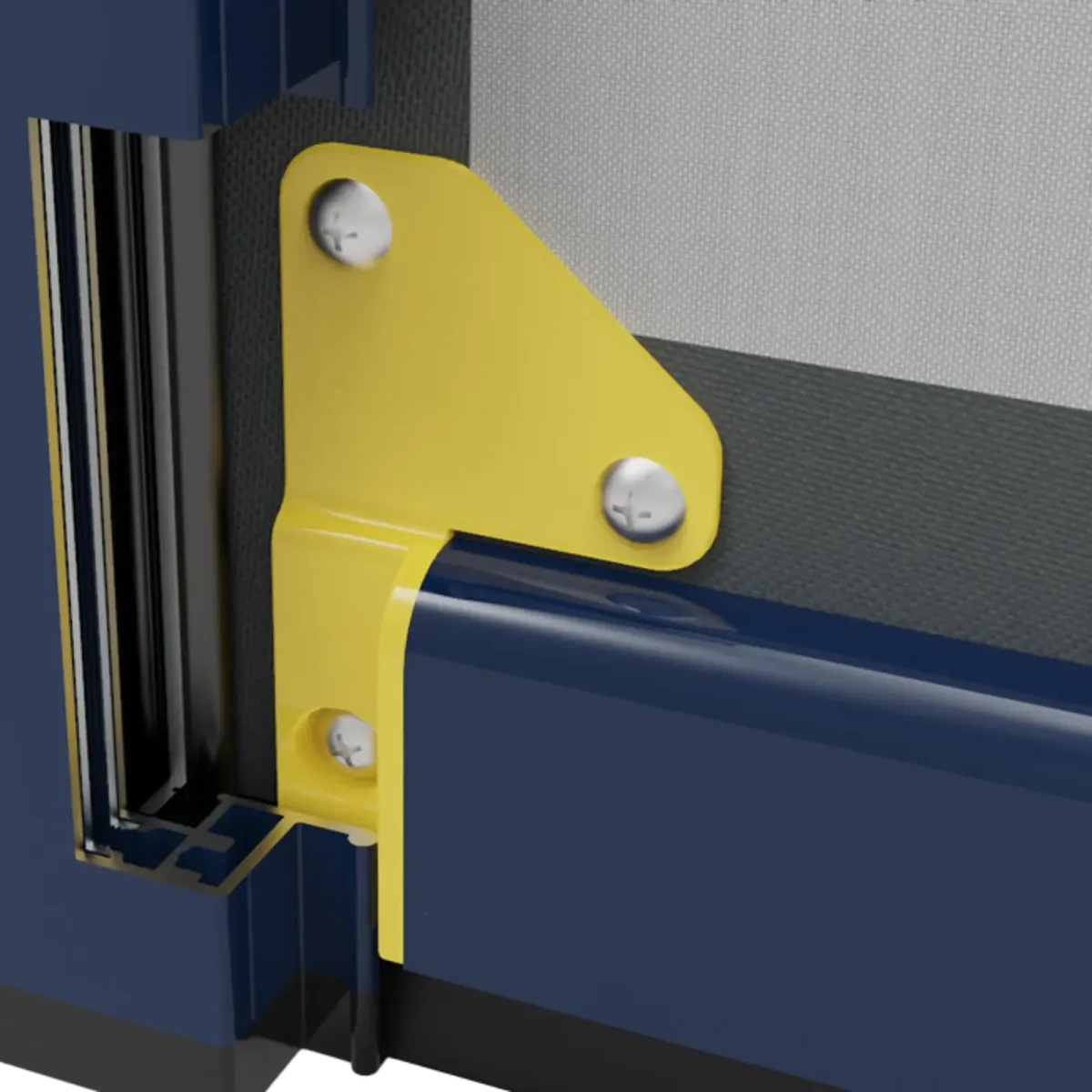
Recognizing that screen wear is most prominent at the corner where the weight bar and screen meet, Fenetex engineers designed a robust and flexible guide made of toughened nylon. This innovative design reinforces the corner connection, extending the screen's lifespan,
.
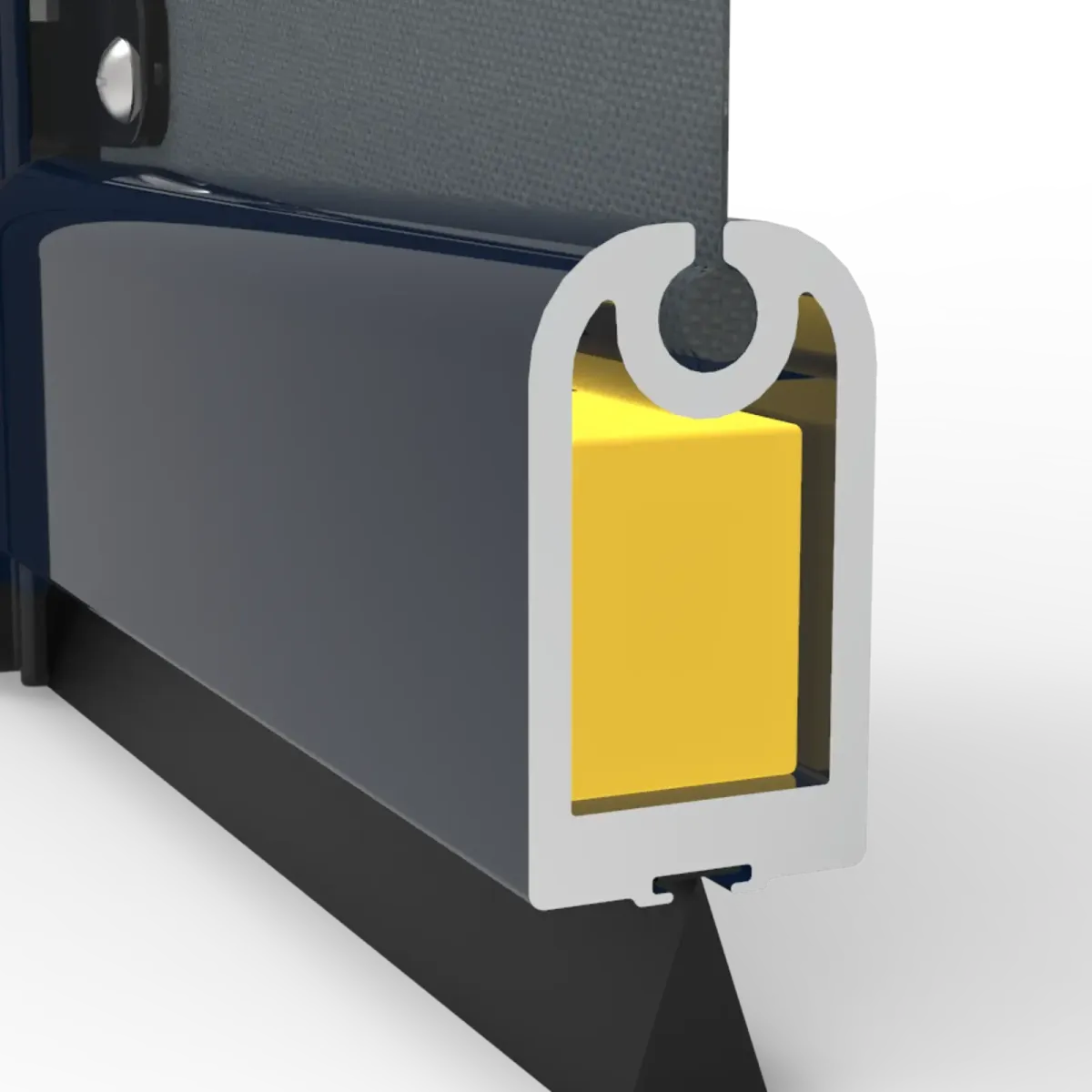
Fenetex offers a well-engineered, low-profile standard weight bar suitable for installations in low-wind areas. When rolled up, it minimizes visibility in storage. For locations with higher wind exposure, a heavier weight bar can be specified as needed.
.
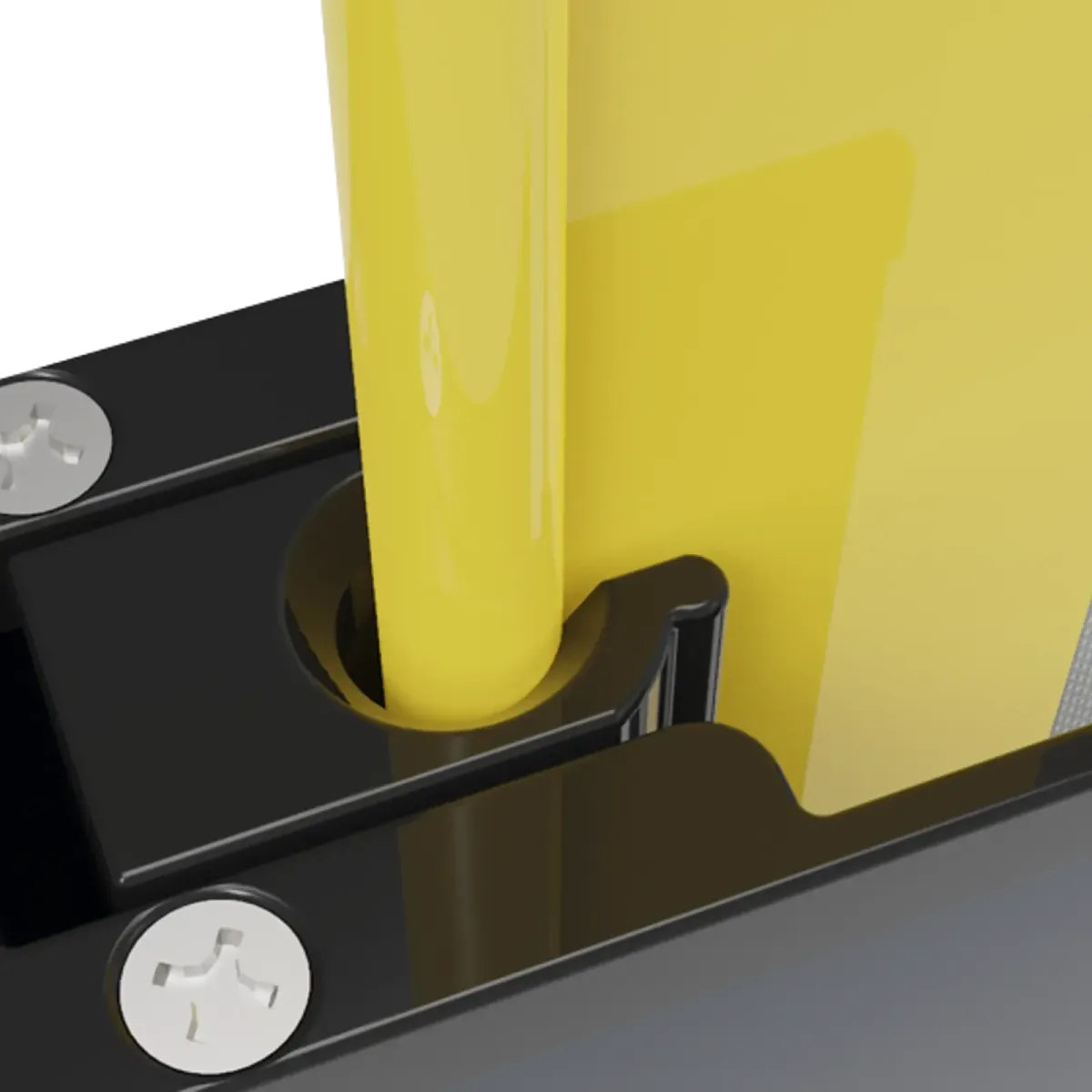
Fenetex, as the first to employ keder-edged screens, opted against zippers, known for potential issues. Keder's smooth, durable design avoids past failures.
.
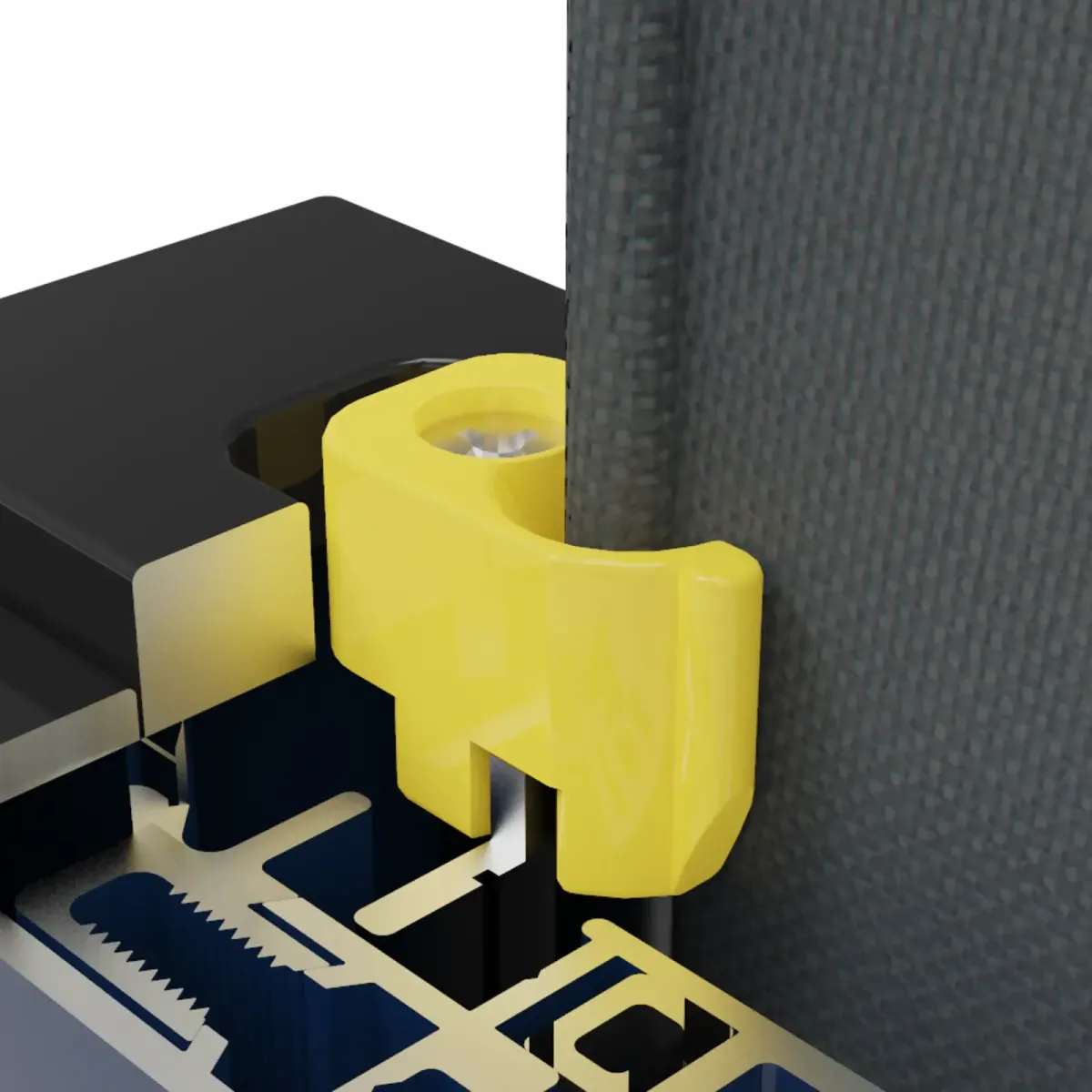
Fenetex retractable screens are designed to never come out of their tracks. The screen pre-feeder facilitates a smooth transition from the reel to the side track. Smart motors instantly halt the downward motion of the screen, preventing it from dislodging from the tracks.
.
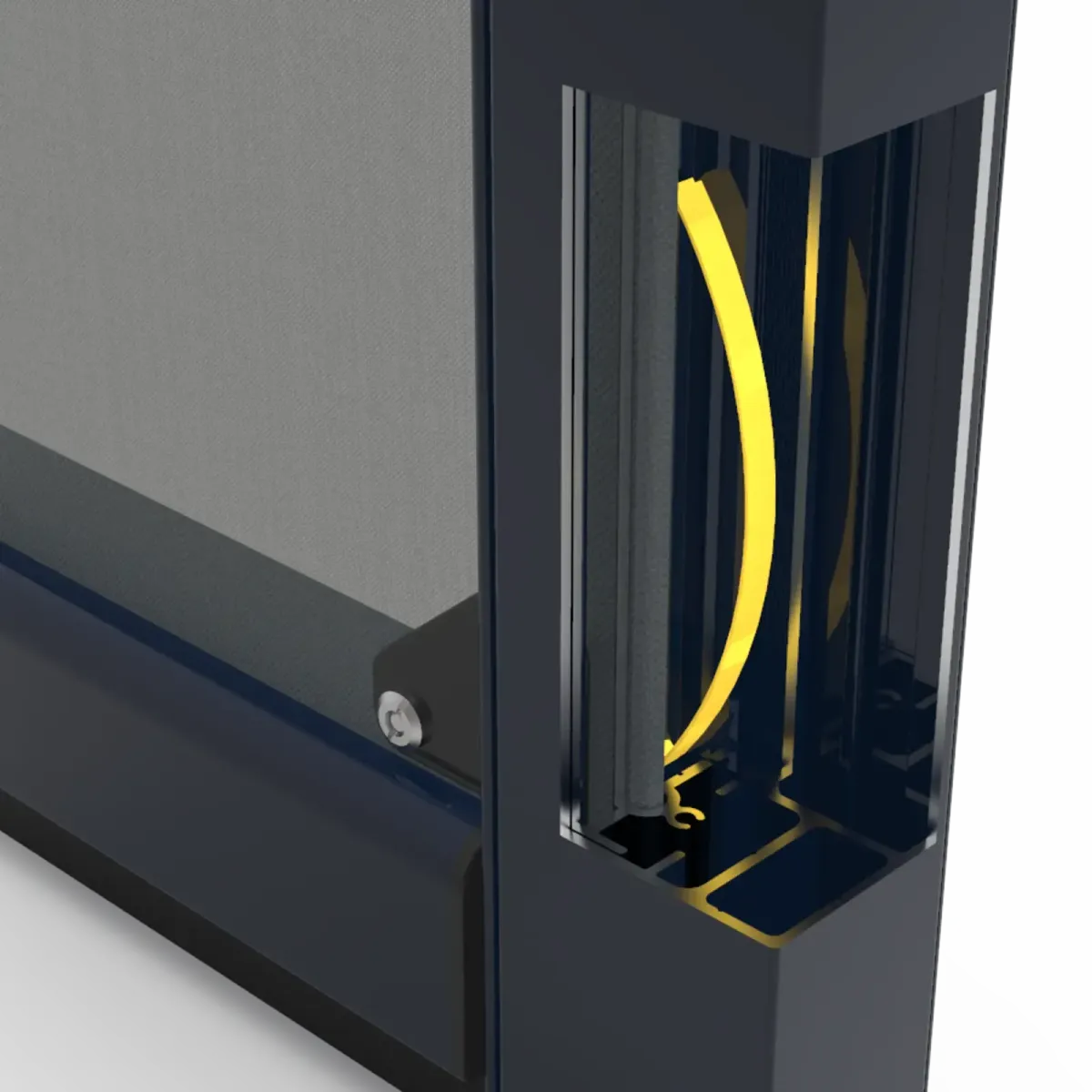
One-Track employs a unique spring-based tensioning system that ensures nearly silent operation of the screens. This technology prioritizes a quiet and comfortable outdoor experience. Think of it like shock absorbers in a car - It's the springs that give you a quiet comfortable ride.
.
FENETEX THE #1 RETRACTABLE SCREEN SOLUTION
Contact A+ Certified Screen Dealer Today...
IT'S AS EASY AS 1, 2, 3
Customize Your Screen
STEP ONE:
Choose Your Screen Color...
Backed by Twitchell’s OmegaTex fabric, our hurricane screens are engineered with ballistic-grade and enhanced fibers for maximum strength and durability. These fabrics aren’t just tough—they’re also UV-protected for long-lasting performance and crafted with aesthetics in mind. Choose from six elegant colors designed to complement the architecture of your home.
Nano 95
Our you looking for the perfect solutions to keep Mother Nature out. Nano 95 screens do exactly that.
Colors:
Black, Stone Texture, Shadow Texture, Granite, Espresso, charcoal, white, bable, bone.
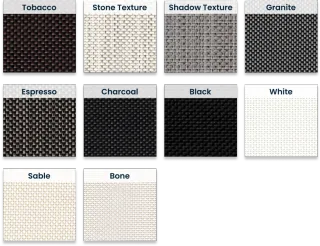
Nano 97
Do you want to create that perfect 4 season patio. Nano 97 block outdoor elements, provides maxium privancy, but they do not compormise visability.
Colors:
Espresso Texture, Basket Tobacco, Basket Charcoal, Basket Granite, Basket Black.
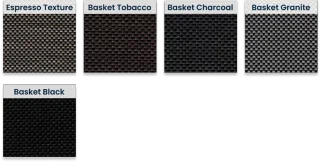
Specialty AME 97
AME 97 Screens are as they sound, Special. They are the Provide altimate cliamate control for your patio or lanai.
Colors:
White, Tobaco, Charcoal, Black

Black Out
Do you have an annoying Neighbor or need Friday Night privacy. Black out screen are solid wall of pure unadlitrated privacy.
Black, Charcoal, Tabacco, White

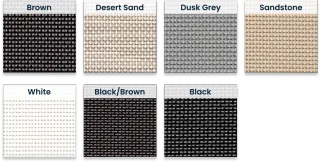
Textilene 80, 90.
The Textilene Series is all about weather control and air flow. Controal what you let in. If you block 80, then you allow 20%/10% to flow. Blocks dirt, rain, dander, harmful UV-Rays, and dust..
Colors:
Brown, Desert Sand, Busk Grey, Sandstoe, White, Black & Brown, Black
Textilene 95
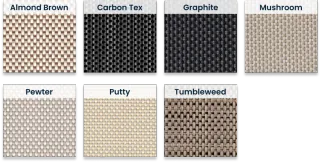
The Textilene Series is all about weather control and air flow. Controal what you let in. If you block 95, then you allow 5% to flow. Blocks dirt, rain, dander, harmful UV-Rays, and dust..
Colors:
Almond Brown, Carbon Tex, Graphite, Mushroom, Pewter, Putty, Tumbleweed...
STEP TWO:
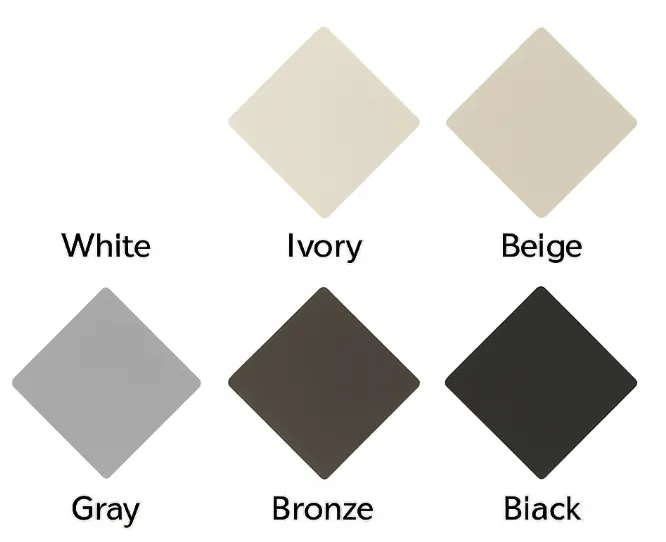
Choose Your Frame Color...
Choosing the right screen color is simple with Fenetex. Our standard color selections are designed to blend seamlessly with your architecture and framework, offering a clean, cohesive look. For unique designs, custom powder coating is available to match any project. All finishes are marine-grade and infused with UV ray inhibitors—built to endure the elements and maintain their beauty for years to come.
STEP THREE:
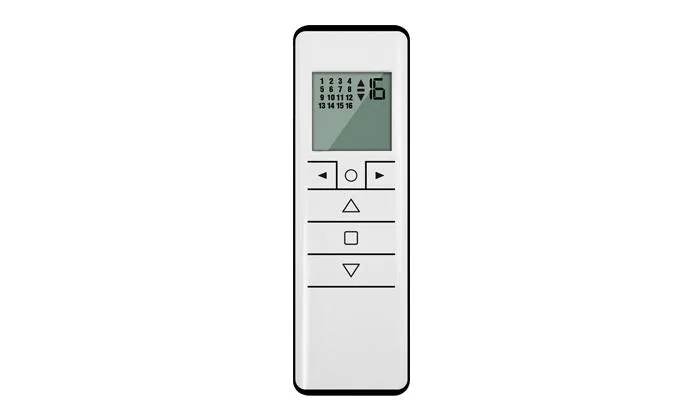
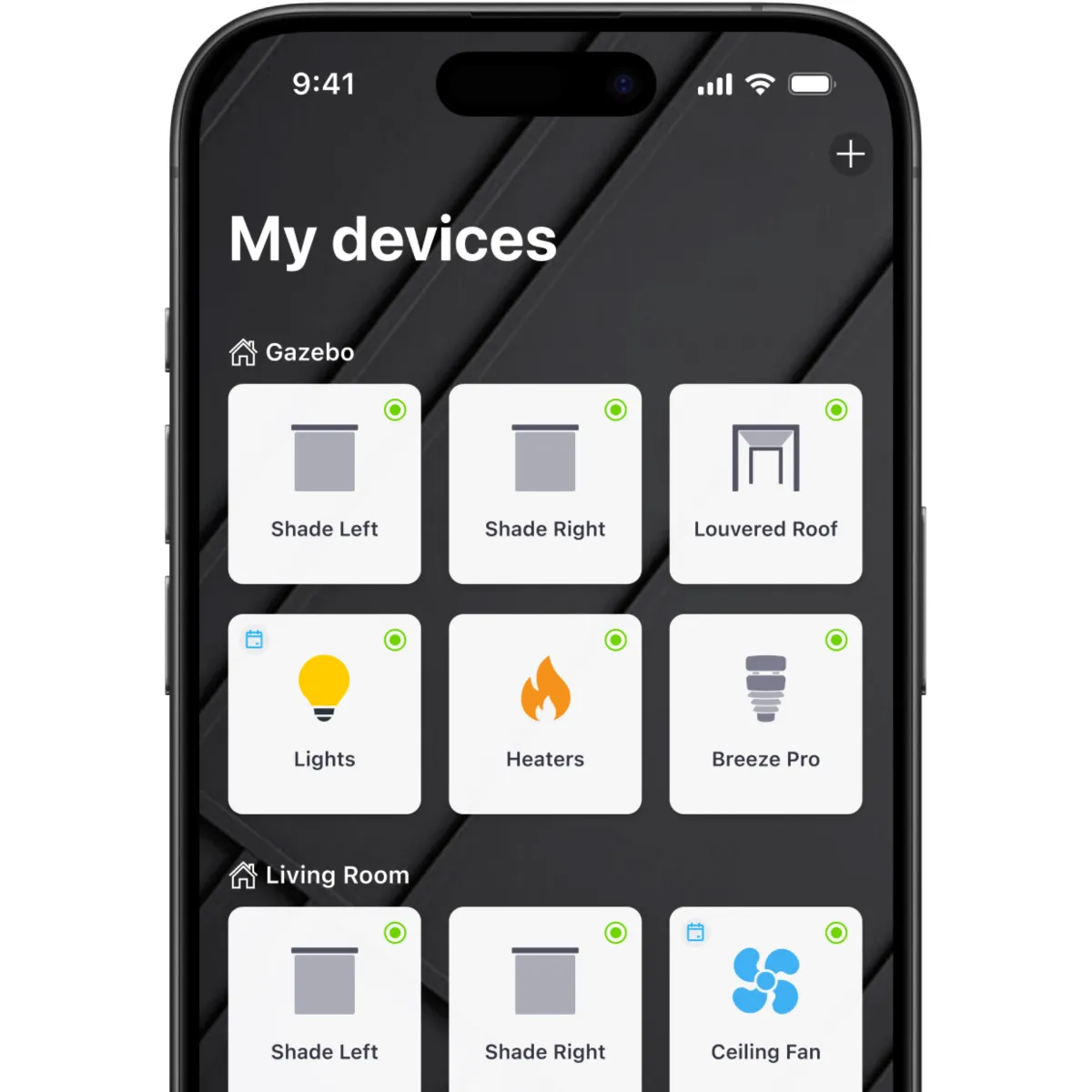
3. Choose Your Control...
Selecting your preferred control method is effortless with Fenetex. Whether you choose handheld remotes, mobile apps, or smart home integration, our systems are designed to fit your lifestyle. No need to settle—just integrate and enjoy continuous, seamless operation 24/7. It's control on your terms, exactly when and where you need it.
FENETEX THE #1 RETRACTABLE SCREEN SOLUTION
Contact A+ Certified Screen Dealer Today...
ONE-TRACK SEAMLESS
Smart Home Integration

BLEND SEAMLESSLY
Take Control - Smart Hub.
With the Bond Bridge Pro, managing your Fenetex MaxForce Hurricane Screens is seamless and smart. This powerful integration allows you to open or close your screens from anywhere using your smartphone, voice assistant, or home automation system. Whether you're at home, at work, or away on vacation, control is always at your fingertips.
COMPATIBLE INTEGRATION










VOICE ACTIVATION ASSISTANTS




SMART MOTOR TECHNOLOGIES



FENETEX THE #1 RETRACTABLE SCREEN SOLUTION
The Proud Dealer of Fenetex
One Track
Integrity Matters
Where It's Made Matters
AMERICAN INGENUITY
Made in the USA.
Proudly Made in the USA—every Fenetex screen's are built with American strength, precision, and pride. From the smallest components to the final assembly, our materials are sourced and manufactured right here in the United States. No outsourcing. No compromises. Just hardworking Americans protecting American homes with the toughest screen system on the market.

CONSISTENCY.
Quality Made. Professional Installation....
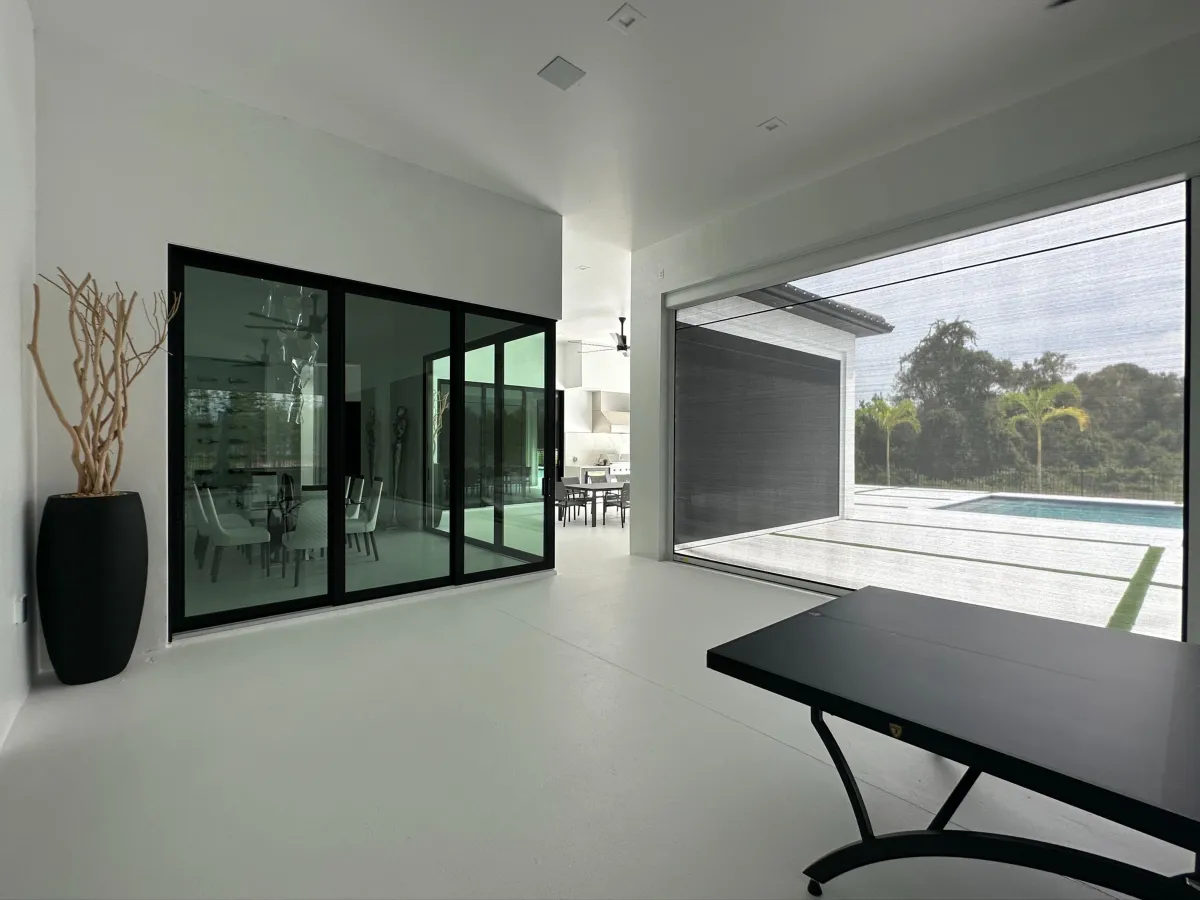
At FL OUTDOORr, quality isn’t a buzzword—it’s a promise. Every Fenetex system we install is a product of precision engineering and world-class American manufacturing, built to perform under pressure and look flawless doing it.
We are highly trained professionals who treat your home like their own. From laser-accurate measurements to clean, detail-focused installations, we don’t cut corners—we define them.
FENETEX THE #1 RETRACTABLE SCREEN SOLUTION
The Proud Dealer of Fenetex One Track
Florida Living Outdoors Solutions
Dual Specialties
Residential Solutions
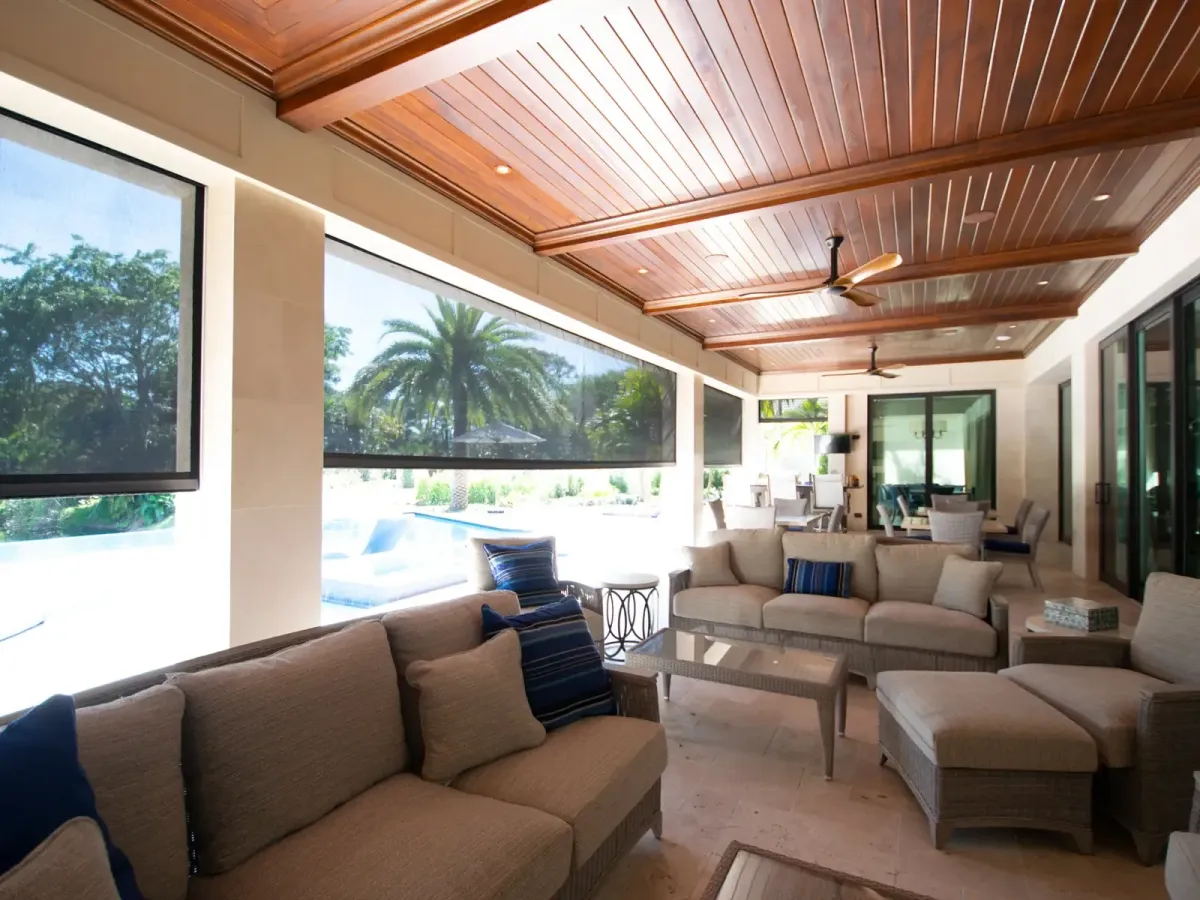
Home should be a sanctuary to relax, spend time with family, and maybe even entertain. Adding Fenetex screens to patios empowers you to curate any outdoor space so it complements your aesthetics and meets your needs
creens are the solution for both residential and commercial outdoor spaces. Having been in business since 2007, we continually innovate to improve our products and stay ahead of the industry.
Commercial Solutions
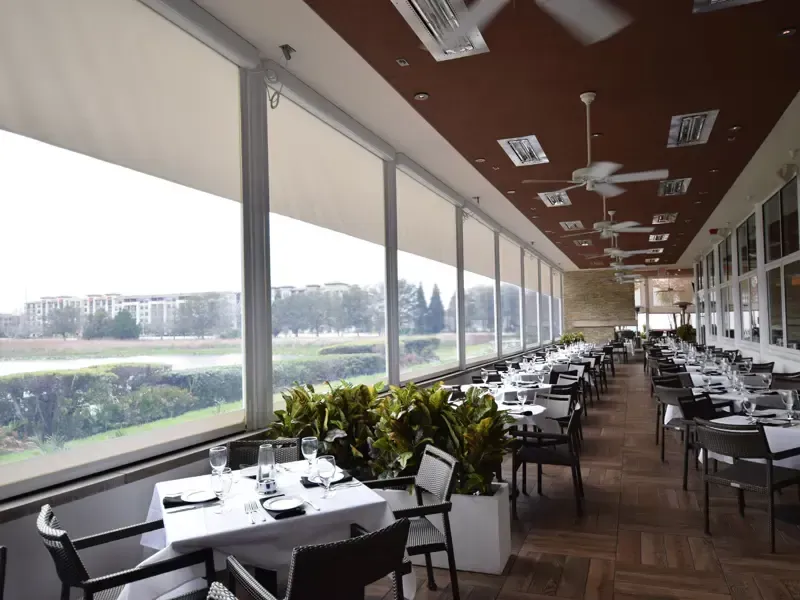
Whether you're investing in your restaurant's patio seating or weather-proofing your outdoor event space, making sure those areas remain usable and enjoyable for guests is critical to the bottom line and your business' ultimate success
Does your restaurant’s patio contend with glaring sun? Or maybe the luxury outdoor kitchen at your home is being invaded by bugs? Maybe the upcoming hurricane season has you concerned. Whatever the challenge, Fenetex Motorized
S
See What Our Customers Are Saying About Us
FENETEX THE #1 RETRACTABLE SCREEN SOLUTION
The Proud Dealer of Fenetex One Track
BEYOND
The Here & Now
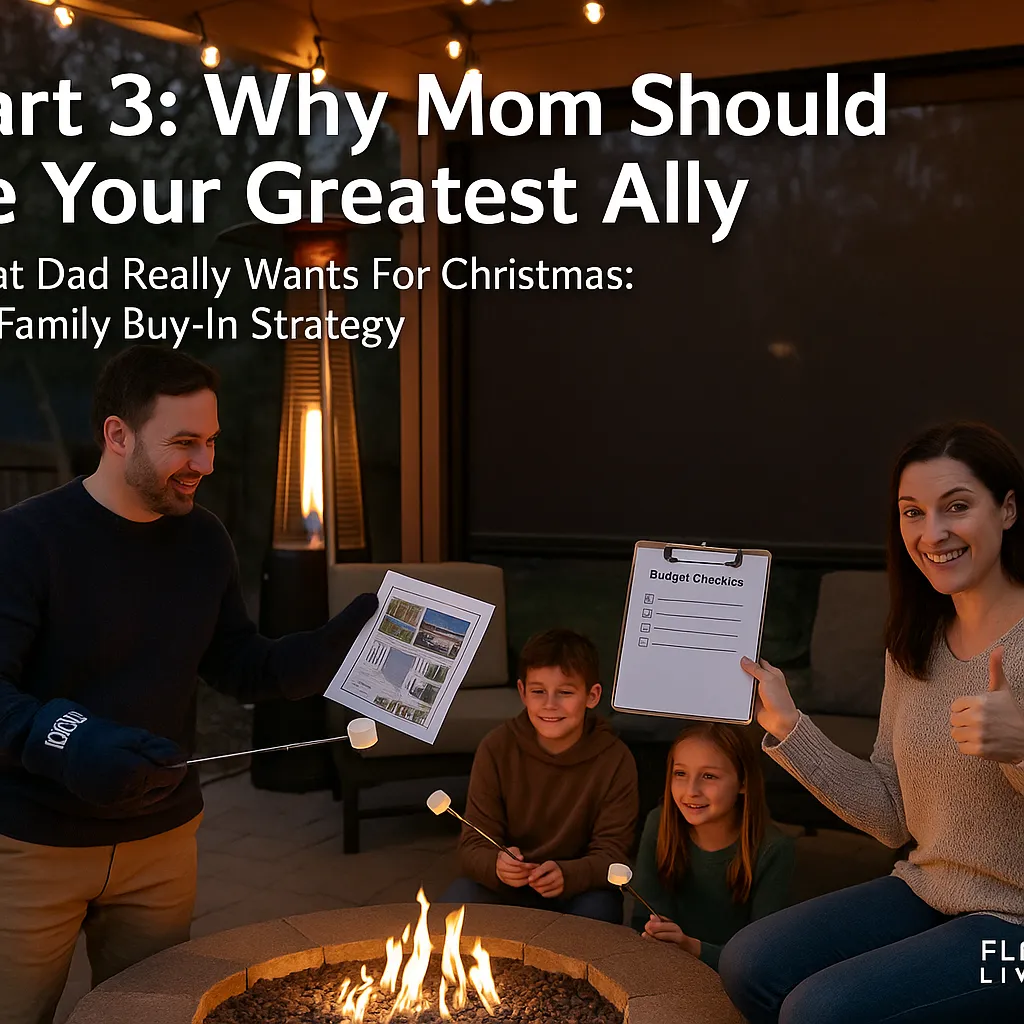
Part 3: Why Mom Should Be Your Greatest Ally
What Dad Really Wants For Christmas: The Family Buy-In Strategy
Let's be honest about something.
Dad can want this all day long. He can drop hints. He can stand at that window every morning staring at his covered grill like a puppy watching its owner leave for work.
None of it matters if the family isn't on board.
Because here's the uncomfortable truth: A year-round outdoor space isn't Dad's decision alone. It's a household decision. It affects the budget. It affects how the family uses the home. And if Mom thinks this is just another one of Dad's expensive hobbies that'll get abandoned by February, it's dead on arrival.
So before you start shopping for fire pits and patio heaters, before you even think about budgets and installation, you need to have a conversation.
Not with Dad. With everyone else.
And you need to frame this properly—because this isn't about giving Dad a toy. This is about giving the entire family something valuable.
Let's talk strategy.
The Wrong Way to Pitch This
First, let's get clear on what doesn't work.
"Dad wants to use his grill in winter."
Response: "That's nice. He can wait until spring."
Why it fails: Sounds like Dad being difficult about something trivial
"I saw this cool fire pit online and thought..."
Response: "How much? No."
Why it fails: Sounds impulsive and expensive
"All the neighbors are doing outdoor living stuff."
Response: "We're not the neighbors."
Why it fails: Comparison trap that makes this seem like keeping up with Joneses
"Dad deserves this."
Response: "Dad also deserves a Porsche, what's your point?"
Why it fails: Emotional appeal without practical justification
"It'll add value to the house."
Response: "So would a lot of things we're not doing."
Why it fails: Technically true but feels like a rationalization
All of these approaches position this as Dad's project. Dad's want. Dad's expensive idea.
That's the kiss of death.
The Right Way to Frame This
Here's what works: Position this as a family investment that happens to make Dad really happy.
Not a gift for Dad. Not Dad's space. A family space that Dad will maintain and manage, making it a resource for everyone.
The conversation sounds like this:
"Can we talk about our outdoor space? Right now, we're basically writing off half our property for eight months every year. That deck cost $15,000, and we use it maybe four months. The grill was $2,000—same deal. We've got all this square footage that just sits empty from November through March.
What if we could actually use it year-round? Not for a fortune, but for a few thousand dollars in heating and lighting? Suddenly that's a space where:
- We can host Thanksgiving outdoors instead of cramming everyone inside - Kids can play outside even when it's chilly - We have an overflow space when family visits for the holidays - Dad's not underfoot in the kitchen all winter - We can have friends over without the house feeling crowded
This isn't about Dad wanting his grill. This is about getting actual use out of an investment we already made."
See the difference?
You've just reframed this from "Dad's hobby" to "family resource optimization."
How This Benefits Everyone (Not Just Dad)
Now let's get specific about why this matters to each family member. Because "Dad's happy" might not be enough motivation for everyone.
For Mom: The Space and Sanity Argument
Let's address the elephant in the room: When Dad doesn't have his outdoor space in winter, where does he go?
Inside. Under Mom's feet. In the kitchen. In the family room. Asking "what's for dinner" at 3 PM. Reorganizing the pantry because he's bored.
74% of dads would prefer to do anything else rather than work around the home, with organizing the basement or garage being the most dreaded chore Business Wire. Translation? Without his outdoor space, Dad either gets restless and starts "projects" nobody asked for, or he parks on the couch and becomes part of the furniture.
The Mom benefit:
Dad has his space, she has hers
Less domestic clutter and underfoot syndrome
Built-in excuse: "Why don't you take your coffee outside?"
Entertaining is easier with overflow space
Holiday hosting becomes manageable
Here's the clincher: For men who may face societal pressures to suppress emotions, nature offers a safe space to reflect, relax, and rejuvenate People Daily. Translation? A happier, less stressed Dad makes for a happier household. Everyone wins when Dad has a healthy outlet.
Mom's not just tolerating Dad's hobby. She's getting her kitchen back.
For Kids: The Entertainment and Freedom Factor
Kids don't care about Dad's grill. But kids do care about having space to exist without parents hovering.
The kid benefit:
Year-round outdoor play space (even if it's just the patio)
Fire pit = s'mores season isn't just summer anymore
Friends can come over without everyone crammed in family room
Less "go play in your room" when they're bored
Built-in hangout spot for teens who want space from parents
Older kids especially appreciate this. A covered, heated patio with good lighting becomes the de facto hangout spot. It's inside-ish but outside-ish. Perfect for the age where they want independence but aren't actually independent.
Plus, let's be real: Studies show exposure to green spaces releases serotonin and reduces stress, and just five minutes outside can regulate the sympathetic nervous system McLean Hospital. This applies to kids too. Screen-addicted teenagers might actually emerge from their rooms if there's a fire pit and outdoor seating.
Kids get their own space. Parents get kids off screens. Everybody wins.
For Extended Family: The Holiday Hosting Game-Changer
Thanksgiving. Christmas. Easter. Any holiday where family descends on your house and suddenly your 2,000 square feet feels like a studio apartment.
What if you had another room?
A year-round outdoor space essentially adds square footage without construction. When Uncle Bob needs a break from the chaos, there's a space. When teenagers want to escape the little kids, there's a space. When the kitchen is packed with people "helping" make dinner, there's a space.
90% of Americans with outdoor spaces consider them more valuable than ever, with outdoor living becoming a priority for family time and gatherings PR Newswire. This isn't just about summer BBQs anymore. This is about creating functional space for the times you actually need it most—when the house is full and everyone's a little on edge.
The family gathering that would've been stressful? Just became manageable.
For The Budget: Real Cost Comparison
"But it costs money," someone will say. Sure. Let's compare costs honestly.
Annual Family Vacation:
Average domestic vacation: $4,500 per trip
International: $8,000+
Lasts one week
Memories made, then over
Year-Round Outdoor Space:
One-time investment: $2,000-$5,000 (Tier 2 setup)
Lasts 10+ years with proper furniture
Creates memories 100+ days per year
Increases home value
Used by entire family, not just one week
Do the math:
Vacation: $4,500 / 7 days = $642 per day of use
Outdoor upgrade: $3,500 / 1,000 days (100 days x 10 years) = $3.50 per day of use
The outdoor space costs less per use than your Netflix subscription.
For Dad's Health: The Argument That Actually Matters
Here's where we stop being strategic and get real.
Dad's mental health probably isn't great. He doesn't talk about it—men rarely do. But the data is clear:
Research shows 20-90 minute sessions in nature are most beneficial for mental health, reducing stress and anxiety Mayo Clinic Press. And people who spent two hours a week in green spaces were substantially more likely to report good health and psychological well-being Yale e360.
Now think about winter. Dad's outdoor space—his decompression zone, his processing space, his mental health tool—gets taken away for eight months. Right when seasonal affective disorder kicks in. Right when holiday stress ramps up. Right when he needs it most.
This isn't about grilling burgers. This is about Dad's actual wellbeing.
And before anyone says "he can just go for a walk"—yes, he can. But he won't. Not consistently. Not when it's 40 degrees and dark by 5 PM. Having a welcoming, heated outdoor space that's literally right outside his door? He'll use that. Daily.
Even five minutes of exposure to green spaces can regulate the sympathetic nervous system and reduce stress McLean Hospital. Dad's morning coffee outside. His evening beer after work. Those small moments add up to meaningful mental health benefits.
This is preventative healthcare that costs less than a therapist.
The Strategic Conversation: How to Actually Have This Talk
Okay. You know the benefits. You know how to frame it. Now let's talk about the actual conversation.
Setting:
Not during an argument about something else
Not when anyone's stressed or rushed
Ideally over dinner or coffee when everyone's relaxed
Definitely not via text or in passing
Opening: "Hey, can we talk about a potential home improvement? I've been thinking about our outdoor space and whether we could get more use out of it year-round. Want to kick around some ideas?"
Present the Problem: "Right now we have this weird situation where we've invested $15-20K in outdoor stuff that sits unused half the year. The deck, the furniture, the grill—all covered up from November to April. That's a lot of money gathering dust."
Float the Solution (Without Committing): "What if we could actually use it in winter? Not talking major renovation—just heating, maybe better lighting, weather-resistant furniture. Basically making what we already have work year-round."
Let Them React:
This is important. Stop talking. Let the other person process and respond.
They might be immediately on board. Great.
They might be skeptical. That's fine. That's expected.
They might think it's expensive. Address it directly.
Address Cost Head-On: "Yeah, there's an upfront cost—probably $2,000-5,000 depending on how far we go. But that's less than our annual vacation budget, and we'd use this 100 times a year instead of one week."
Paint the Picture: "Imagine Thanksgiving. Instead of 15 people crammed in the living room, half of them are outside by the fire pit. Comfortable. Warm. The house isn't overwhelming. Or Christmas morning—coffee on the patio while kids open presents inside. Or just a random Tuesday in February—Dad's outside grilling instead of ordering delivery again."
Make It Collaborative: "This doesn't have to be all or nothing. We could start small—basic heater and lights for under $1,000—and see if we actually use it. If we do, we upgrade. If we don't, we're not out much."
Address the "Dad's Hobby" Concern: "I know this sounds like it's all about Dad and his grill. But honestly? Having another usable space benefits all of us. Dad maintains it, we all use it. And frankly, Dad's happier when he has his space, which makes everyone's life better."
The Objection Handling Guide
Let's role-play the pushback you'll get and how to handle it:
Objection: "We'll never actually use it in winter."
Response: "That's fair. How about we test it first? Get a basic patio heater for $200, try it for a month. If nobody uses it, we return it. If we do, then we invest in the full setup."
Why this works: Low-risk trial removes the commitment fear.
Objection: "That's a lot of money for something that might not get used."
Response: "You're right to be cautious. Let's look at what we're already spending on outdoor stuff we barely use. If we're going to have this space anyway, might as well make it functional year-round. And quality stuff lasts 10+ years—this is a one-time cost, not annual."
Why this works: Reframes as optimization of existing investment, not new expense.
Objection: "Dad can just wait until spring like everyone else."
Response: "He could. But why should he? We're not 'everyone else'—we have the space, the resources, and the opportunity to use our property year-round. Plus, this benefits the whole family when we host holidays or when the house feels crowded."
Why this works: Challenges the default assumption while emphasizing family benefit.
Objection: "What about maintenance? This sounds like more work."
Response: "Actually, less work. Right now we cover and uncover everything twice a year, move furniture in and out of storage, replace stuff that didn't survive storage. With year-round furniture and permanent heating, we eliminate all that seasonal migration. Total maintenance is maybe 3-4 hours per year."
Why this works: Flips the maintenance narrative completely.
Objection: "This is just another project that won't get finished."
Response: "Fair concern. That's why I want to tackle this in phases with clear timelines. Phase 1 this weekend—heater and lights. Done. Usable. If it works, Phase 2 next month. If not, we stop there. No half-finished project sitting for months."
Why this works: Demonstrates planning and commitment to completion.
Objection: "Can't we just spend that money on [something else]?"
Response: "We could. And if [something else] is genuinely more important to the family, let's do that instead. I'm not saying this is the only option. But let's at least compare: [Other thing] costs $X and provides Y benefit. This costs $Z and provides year-round family space plus improves Dad's mental health. Which gives us more value?"
Why this works: Forces actual comparison instead of vague "we could spend it elsewhere" deflection.
Objection: "Won't the neighbors think we're weird for using our patio in winter?"
Response: "Possibly. But they also probably think it's weird that we spent $20K on outdoor space we don't use 60% of the year. I'd rather be weird and happy than normal and underutilizing our property. Plus, the Norwegians do this all the time and they're consistently rated among the happiest people on earth."
Why this works: Acknowledges the concern, reframes it, backs it with data.
The Mom-Specific Pitch: When She's the Decision-Maker
In many households, Mom holds veto power on spending decisions. If she's not on board, it doesn't happen. So let's address her concerns directly.
Mom's Internal Calculation:
Will this actually get used, or is this another abandoned hobby?
Is Dad going to maintain this or will it become my problem?
Can we afford this without impacting other priorities?
Does this make our lives easier or more complicated?
Is this genuinely beneficial or just Dad wanting a new toy?
The pitch that resonates:
"I know you're skeptical—I would be too. But here's what I'm really asking for: space. When Dad has his outdoor space, he's not underfoot in your space. He's happier, less restless, easier to live with.
We've already spent the money on the outdoor setup. Right now it's dormant eight months a year. For $2-3K, we can make it functional year-round, which means:
- When you're hosting holidays, you have overflow space - When you need quiet time, Dad has somewhere else to be - When the house feels crowded, there's a release valve - When Dad's restless or stressed, he has a healthy outlet
This isn't about Dad getting a toy. This is about the household running more smoothly. And honestly? For men who face societal pressures to suppress emotions, nature offers a safe space to reflect and rejuvenate People Daily. Dad processing his stress outside is better for everyone than Dad processing it by reorganizing the garage at 10 PM or being short-tempered at dinner.
I'm not asking you to be excited about this. I'm asking you to see it as a strategic household investment that happens to make Dad really happy."
That pitch works because:
It acknowledges her skepticism as valid
It frames this as solving her problems, not creating them
It positions her as the strategic thinker making smart decisions
It gives her credit for being thoughtful about household resources
It provides cover: "I'm doing this for household function" vs. "I'm indulging Dad"
The Kid Buy-In: Getting Them Excited
If you have kids old enough to have opinions, get them on board early. They can be powerful allies in the conversation.
For Younger Kids (5-12):
"Hey, what if we could roast marshmallows outside even in winter? What if there was a fire pit we could use for s'mores in December?"
Kids don't care about patio heaters. But they absolutely care about s'mores season extending beyond summer camp.
For Teens (13-18):
"What if you had a hangout spot that wasn't inside the house? Like, still home, but not in the family room where we're always asking what you're watching? Your own space, basically."
Teens are intensely motivated by spaces that feel like theirs. A heated outdoor area with good lighting becomes teenage social central.
For College-Age Kids:
"When you're home for holidays, imagine having space to hang with high school friends without Mom and Dad hovering. Fire pit, drinks, music, but still home and safe."
This sells itself.
The Strategic Use of Kids:
Once kids are excited, they become advocates. When Mom expresses doubts, kids pipe up: "But we could make s'mores!" "But it would be so cool for when friends come over!"
Mom doesn't want to be the person who killed the kids' excitement. Ethically questionable? Maybe. Effective? Absolutely.
The Grandparent Factor: The Hidden Ace Card
Here's a wildcard that often gets overlooked: Grandparents are invested in your household running smoothly.
If you have parents or in-laws who visit regularly, especially during holidays, they're highly motivated by anything that makes hosting easier.
The grandparent pitch:
"You know how when you visit for Thanksgiving the house feels cramped and chaotic? What if next year, half the family could hang outside by the fire pit? The turkey's still inside, but people can spread out, kids can play outside, adults can have actual conversations. Makes hosting so much easier."
Grandparents who've hosted big family gatherings know the pain of space constraints. They'll be your biggest advocates because they've lived it.
Strategic move: Have Dad mention this to his parents or in-laws. They'll bring it up to Mom unprompted, making it seem like organic support rather than coordinated campaign.
Again, ethically questionable. Also effective.
The Financial Deep-Dive: Making the Budget Work
Let's get real about money because this is often where conversations stall.
The Honest Budget Conversation:
"Okay, real talk about costs. Here's the range:
- Minimum viable: $500-1,000 (heater + lights + basics) - Solid setup: $2,500-5,000 (quality equipment + furniture) - Dream setup: $10,000+ (full transformation with screens and structure)
I'm proposing we aim for the middle tier—$2,500-3,500. That's within our home improvement budget for the year, and it's a one-time cost that lasts a decade."
The Trade-Off Framework:
"If this feels expensive, let's compare to other things we spend on:
- Annual vacation: $4,000+ for one week of use - Gym memberships nobody uses: $1,000/year ongoing - Streaming services: $800/year ongoing - Dining out budget: $2,400/year ongoing
This is $3,000 once, usable 100 days per year for 10+ years. Cost per use: about $3. Less than any restaurant meal, less than movie tickets, less than basically any other family entertainment option."
The Compromise Option:
"Or we phase it. $1,000 now for heat and lights—makes the space usable immediately. If we actually use it regularly through winter, we invest another $2,000 in the spring for furniture and upgrades. If we don't use it, we stop there and we're only out $1,000."
This works because it reduces risk and demonstrates financial prudence.
The Timeline: When to Have This Conversation
Timing matters. Here's the strategy:
Optimal Timeline:
8 Weeks Before Christmas: Plant the seed
"Hey, thinking about Christmas gifts this year..."
"What if instead of individual gifts, we did something for the whole family?"
Don't push, just introduce the concept
6 Weeks Before Christmas: Share research
"I've been looking into year-round outdoor spaces..."
Share Part 1 and 2 of this series
Let them read on their own time
4 Weeks Before Christmas: Have the real conversation
Use the frameworks above
Present the full case with budget options
Get buy-in or at least "let me think about it"
2 Weeks Before Christmas: Make the decision
Commit or table for later
If committing, start the shopping list
If tabling, set a date to revisit in spring
1 Week Before Christmas: Shop and prep
Get everything purchased
Recruit help for installation
Build excitement
Christmas Weekend: Install and reveal
Make it the gift
Create the moment
Watch Dad's face
Suboptimal Timeline (But Still Doable):
2 Weeks Before Christmas: Crisis pitch
"We've waited too long, standard gifts are boring"
"What if we did something different this year?"
Compressed timeline but still possible
Why this matters: The earlier you start this conversation, the less it feels rushed or impulsive. More time = more consideration = better decisions.
What Success Actually Looks Like
Let's be clear about what we're aiming for:
Success isn't:
Mom enthusiastically cheering about patio heaters
Kids begging to help install lighting
Dad crying tears of joy at the fire pit reveal
Success is:
Family agreeing this is a reasonable investment
Budget approved without resentment
Installation happening without major conflict
Space getting used multiple times per week
Dad outside in December with a smile
That's the bar. Reasonable agreement, practical implementation, regular use.
Don't expect everyone to be as excited as you are. They won't be. And that's fine.
You just need them to not be opposed. To see the value. To give it a shot.
The enthusiasm comes later—after the first outdoor Thanksgiving, after Dad's been using it daily, after they realize this actually does make the household run better.
But you can't force enthusiasm. You can only create the conditions for it to develop naturally.
The Post-Installation Strategy: Proving It Works
Once the space is built, you're not done. Now you need to prove the investment was worth it.
Week 1: Model the behavior
Use the space yourself multiple times
Don't make a big deal of it
Just be outside, comfortable, using it
Week 2: Invite, don't nag
"Hey, joining me outside for coffee?"
"Grabbing a beer by the fire, want one?"
Make it casual, not a production
Week 3: Host something
Friends over for drinks
Small gathering
Show how the space works for entertaining
Week 4: Let it normalize
Stop trying so hard
Space is just there, available
Family uses it or doesn't—their choice
Within a month, it stops being "the new outdoor space" and becomes just "outside."
That's when you know it worked.
The Nuclear Option: When Buy-In Isn't Happening
Sometimes, despite your best efforts, the family isn't on board. Budget's tight. Timing's wrong. Priorities are elsewhere.
That's okay. You have options:
Option 1: Scale way down
$500 setup instead of $3,000
Proves the concept without major investment
If it works, upgrade later
If it doesn't, minimal loss
Option 2: Delay but plan
"Okay, not this year. But let's revisit in spring."
Use winter to save specifically for this
Builds anticipation and budget simultaneously
Option 3: DIY fundraise
Dad picks up side project or overtime
Earmarks that money specifically for this
Removes it from household budget conflict
Option 4: Gift coordination
Instead of individual Christmas gifts, everyone contributes to this
"No gifts this year, let's do something for the whole family"
Makes it truly communal
Option 5: Birthday compromise
If Christmas isn't working, pitch it for Dad's birthday
Easier sell for "Dad's day" than family holiday
Still creates the end result
The key: Don't force it. Forced buy-in breeds resentment, and resentment kills projects.
If the family genuinely isn't ready, that's okay. Plant seeds. Circle back later. Let them see neighbors doing it. Let them experience it at someone else's house.
Eventually, they'll come around. Or they won't, and that's life.
The Real Endgame: Family Buy-In Equals Family Use
Here's the truth bomb: If this is positioned as "Dad's project," only Dad will use it.
But if this is positioned as "family resource that Dad maintains," everyone benefits.
The goal isn't just getting approval to spend money. The goal is creating shared investment in the space so it becomes genuinely communal.
When it works:
Mom suggests hosting book club outside in November
Kids ask if friends can come over to hang by the fire pit
Teens claim it for weekend hangouts
Grandparents request outdoor seating at Thanksgiving
Dad's out there daily, maintaining and managing his domain
That's success.
Not just Dad reclaiming his space. The whole family embracing year-round outdoor living as normal.
And it starts with this conversation. The one where you frame it right. Where you address concerns honestly. Where you make it about family benefit, not Dad's hobby.
Get this conversation right, and everything else falls into place.
Get it wrong, and you're fighting uphill the whole way.
So take the time. Use these frameworks. Adapt them to your family's dynamics.
And then have the conversation that transforms Dad's Christmas—and everyone else's quality of life.
Next Week: Part 4 - "The 48-Hour Weekend Transformation"
You've got the problem (Part 1). You know the solutions (Part 2). You've secured family buy-in (Part 3). Now it's time to actually build it. Next week: The step-by-step implementation guide for transforming Dad's outdoor space in one weekend. Shopping lists, installation guides, and the reveal moment that makes it all worth it.
Your Turn: What's the biggest objection you're facing from your family on this? Let's troubleshoot it in the comments. We've heard them all, and there's usually a workaround.
Read the Full Series:
Part 1: The Great Backyard Exile – The problem nobody talks about
Part 2: The Four-Season Dad Cave – Solutions that actually work
Part 3: Why Mom Should Be Your Greatest Ally – You Are Here
Part 4: The 48-Hour Weekend Transformation – Coming Next Week
← Back to Part 2 | Continue to Part 4 →
Getting family buy-in is the hardest part of this entire project. But it's also the most important. Because once everyone's on board, the rest is just shopping and installation. Nail this conversation, and Dad's outdoor space goes from "maybe someday" to "this Christmas."
Need expert guidance on making year-round outdoor living work in your climate? Florida Living Outdoor specializes in solutions that actually last and can help you avoid expensive mistakes. When you're ready to move from conversation to action, they're ready to help.

BEYOND
The Here & Now
Part 3: Why Mom Should Be Your Greatest Ally
What Dad Really Wants For Christmas: The Family Buy-In Strategy
Let's be honest about something.
Dad can want this all day long. He can drop hints. He can stand at that window every morning staring at his covered grill like a puppy watching its owner leave for work.
None of it matters if the family isn't on board.
Because here's the uncomfortable truth: A year-round outdoor space isn't Dad's decision alone. It's a household decision. It affects the budget. It affects how the family uses the home. And if Mom thinks this is just another one of Dad's expensive hobbies that'll get abandoned by February, it's dead on arrival.
So before you start shopping for fire pits and patio heaters, before you even think about budgets and installation, you need to have a conversation.
Not with Dad. With everyone else.
And you need to frame this properly—because this isn't about giving Dad a toy. This is about giving the entire family something valuable.
Let's talk strategy.
The Wrong Way to Pitch This
First, let's get clear on what doesn't work.
"Dad wants to use his grill in winter."
Response: "That's nice. He can wait until spring."
Why it fails: Sounds like Dad being difficult about something trivial
"I saw this cool fire pit online and thought..."
Response: "How much? No."
Why it fails: Sounds impulsive and expensive
"All the neighbors are doing outdoor living stuff."
Response: "We're not the neighbors."
Why it fails: Comparison trap that makes this seem like keeping up with Joneses
"Dad deserves this."
Response: "Dad also deserves a Porsche, what's your point?"
Why it fails: Emotional appeal without practical justification
"It'll add value to the house."
Response: "So would a lot of things we're not doing."
Why it fails: Technically true but feels like a rationalization
All of these approaches position this as Dad's project. Dad's want. Dad's expensive idea.
That's the kiss of death.
The Right Way to Frame This
Here's what works: Position this as a family investment that happens to make Dad really happy.
Not a gift for Dad. Not Dad's space. A family space that Dad will maintain and manage, making it a resource for everyone.
The conversation sounds like this:
"Can we talk about our outdoor space? Right now, we're basically writing off half our property for eight months every year. That deck cost $15,000, and we use it maybe four months. The grill was $2,000—same deal. We've got all this square footage that just sits empty from November through March.
What if we could actually use it year-round? Not for a fortune, but for a few thousand dollars in heating and lighting? Suddenly that's a space where:
- We can host Thanksgiving outdoors instead of cramming everyone inside - Kids can play outside even when it's chilly - We have an overflow space when family visits for the holidays - Dad's not underfoot in the kitchen all winter - We can have friends over without the house feeling crowded
This isn't about Dad wanting his grill. This is about getting actual use out of an investment we already made."
See the difference?
You've just reframed this from "Dad's hobby" to "family resource optimization."
How This Benefits Everyone (Not Just Dad)
Now let's get specific about why this matters to each family member. Because "Dad's happy" might not be enough motivation for everyone.
For Mom: The Space and Sanity Argument
Let's address the elephant in the room: When Dad doesn't have his outdoor space in winter, where does he go?
Inside. Under Mom's feet. In the kitchen. In the family room. Asking "what's for dinner" at 3 PM. Reorganizing the pantry because he's bored.
74% of dads would prefer to do anything else rather than work around the home, with organizing the basement or garage being the most dreaded chore Business Wire. Translation? Without his outdoor space, Dad either gets restless and starts "projects" nobody asked for, or he parks on the couch and becomes part of the furniture.
The Mom benefit:
Dad has his space, she has hers
Less domestic clutter and underfoot syndrome
Built-in excuse: "Why don't you take your coffee outside?"
Entertaining is easier with overflow space
Holiday hosting becomes manageable
Here's the clincher: For men who may face societal pressures to suppress emotions, nature offers a safe space to reflect, relax, and rejuvenate People Daily. Translation? A happier, less stressed Dad makes for a happier household. Everyone wins when Dad has a healthy outlet.
Mom's not just tolerating Dad's hobby. She's getting her kitchen back.
For Kids: The Entertainment and Freedom Factor
Kids don't care about Dad's grill. But kids do care about having space to exist without parents hovering.
The kid benefit:
Year-round outdoor play space (even if it's just the patio)
Fire pit = s'mores season isn't just summer anymore
Friends can come over without everyone crammed in family room
Less "go play in your room" when they're bored
Built-in hangout spot for teens who want space from parents
Older kids especially appreciate this. A covered, heated patio with good lighting becomes the de facto hangout spot. It's inside-ish but outside-ish. Perfect for the age where they want independence but aren't actually independent.
Plus, let's be real: Studies show exposure to green spaces releases serotonin and reduces stress, and just five minutes outside can regulate the sympathetic nervous system McLean Hospital. This applies to kids too. Screen-addicted teenagers might actually emerge from their rooms if there's a fire pit and outdoor seating.
Kids get their own space. Parents get kids off screens. Everybody wins.
For Extended Family: The Holiday Hosting Game-Changer
Thanksgiving. Christmas. Easter. Any holiday where family descends on your house and suddenly your 2,000 square feet feels like a studio apartment.
What if you had another room?
A year-round outdoor space essentially adds square footage without construction. When Uncle Bob needs a break from the chaos, there's a space. When teenagers want to escape the little kids, there's a space. When the kitchen is packed with people "helping" make dinner, there's a space.
90% of Americans with outdoor spaces consider them more valuable than ever, with outdoor living becoming a priority for family time and gatherings PR Newswire. This isn't just about summer BBQs anymore. This is about creating functional space for the times you actually need it most—when the house is full and everyone's a little on edge.
The family gathering that would've been stressful? Just became manageable.
For The Budget: Real Cost Comparison
"But it costs money," someone will say. Sure. Let's compare costs honestly.
Annual Family Vacation:
Average domestic vacation: $4,500 per trip
International: $8,000+
Lasts one week
Memories made, then over
Year-Round Outdoor Space:
One-time investment: $2,000-$5,000 (Tier 2 setup)
Lasts 10+ years with proper furniture
Creates memories 100+ days per year
Increases home value
Used by entire family, not just one week
Do the math:
Vacation: $4,500 / 7 days = $642 per day of use
Outdoor upgrade: $3,500 / 1,000 days (100 days x 10 years) = $3.50 per day of use
The outdoor space costs less per use than your Netflix subscription.
For Dad's Health: The Argument That Actually Matters
Here's where we stop being strategic and get real.
Dad's mental health probably isn't great. He doesn't talk about it—men rarely do. But the data is clear:
Research shows 20-90 minute sessions in nature are most beneficial for mental health, reducing stress and anxiety Mayo Clinic Press. And people who spent two hours a week in green spaces were substantially more likely to report good health and psychological well-being Yale e360.
Now think about winter. Dad's outdoor space—his decompression zone, his processing space, his mental health tool—gets taken away for eight months. Right when seasonal affective disorder kicks in. Right when holiday stress ramps up. Right when he needs it most.
This isn't about grilling burgers. This is about Dad's actual wellbeing.
And before anyone says "he can just go for a walk"—yes, he can. But he won't. Not consistently. Not when it's 40 degrees and dark by 5 PM. Having a welcoming, heated outdoor space that's literally right outside his door? He'll use that. Daily.
Even five minutes of exposure to green spaces can regulate the sympathetic nervous system and reduce stress McLean Hospital. Dad's morning coffee outside. His evening beer after work. Those small moments add up to meaningful mental health benefits.
This is preventative healthcare that costs less than a therapist.
The Strategic Conversation: How to Actually Have This Talk
Okay. You know the benefits. You know how to frame it. Now let's talk about the actual conversation.
Setting:
Not during an argument about something else
Not when anyone's stressed or rushed
Ideally over dinner or coffee when everyone's relaxed
Definitely not via text or in passing
Opening: "Hey, can we talk about a potential home improvement? I've been thinking about our outdoor space and whether we could get more use out of it year-round. Want to kick around some ideas?"
Present the Problem: "Right now we have this weird situation where we've invested $15-20K in outdoor stuff that sits unused half the year. The deck, the furniture, the grill—all covered up from November to April. That's a lot of money gathering dust."
Float the Solution (Without Committing): "What if we could actually use it in winter? Not talking major renovation—just heating, maybe better lighting, weather-resistant furniture. Basically making what we already have work year-round."
Let Them React:
This is important. Stop talking. Let the other person process and respond.
They might be immediately on board. Great.
They might be skeptical. That's fine. That's expected.
They might think it's expensive. Address it directly.
Address Cost Head-On: "Yeah, there's an upfront cost—probably $2,000-5,000 depending on how far we go. But that's less than our annual vacation budget, and we'd use this 100 times a year instead of one week."
Paint the Picture: "Imagine Thanksgiving. Instead of 15 people crammed in the living room, half of them are outside by the fire pit. Comfortable. Warm. The house isn't overwhelming. Or Christmas morning—coffee on the patio while kids open presents inside. Or just a random Tuesday in February—Dad's outside grilling instead of ordering delivery again."
Make It Collaborative: "This doesn't have to be all or nothing. We could start small—basic heater and lights for under $1,000—and see if we actually use it. If we do, we upgrade. If we don't, we're not out much."
Address the "Dad's Hobby" Concern: "I know this sounds like it's all about Dad and his grill. But honestly? Having another usable space benefits all of us. Dad maintains it, we all use it. And frankly, Dad's happier when he has his space, which makes everyone's life better."
The Objection Handling Guide
Let's role-play the pushback you'll get and how to handle it:
Objection: "We'll never actually use it in winter."
Response: "That's fair. How about we test it first? Get a basic patio heater for $200, try it for a month. If nobody uses it, we return it. If we do, then we invest in the full setup."
Why this works: Low-risk trial removes the commitment fear.
Objection: "That's a lot of money for something that might not get used."
Response: "You're right to be cautious. Let's look at what we're already spending on outdoor stuff we barely use. If we're going to have this space anyway, might as well make it functional year-round. And quality stuff lasts 10+ years—this is a one-time cost, not annual."
Why this works: Reframes as optimization of existing investment, not new expense.
Objection: "Dad can just wait until spring like everyone else."
Response: "He could. But why should he? We're not 'everyone else'—we have the space, the resources, and the opportunity to use our property year-round. Plus, this benefits the whole family when we host holidays or when the house feels crowded."
Why this works: Challenges the default assumption while emphasizing family benefit.
Objection: "What about maintenance? This sounds like more work."
Response: "Actually, less work. Right now we cover and uncover everything twice a year, move furniture in and out of storage, replace stuff that didn't survive storage. With year-round furniture and permanent heating, we eliminate all that seasonal migration. Total maintenance is maybe 3-4 hours per year."
Why this works: Flips the maintenance narrative completely.
Objection: "This is just another project that won't get finished."
Response: "Fair concern. That's why I want to tackle this in phases with clear timelines. Phase 1 this weekend—heater and lights. Done. Usable. If it works, Phase 2 next month. If not, we stop there. No half-finished project sitting for months."
Why this works: Demonstrates planning and commitment to completion.
Objection: "Can't we just spend that money on [something else]?"
Response: "We could. And if [something else] is genuinely more important to the family, let's do that instead. I'm not saying this is the only option. But let's at least compare: [Other thing] costs $X and provides Y benefit. This costs $Z and provides year-round family space plus improves Dad's mental health. Which gives us more value?"
Why this works: Forces actual comparison instead of vague "we could spend it elsewhere" deflection.
Objection: "Won't the neighbors think we're weird for using our patio in winter?"
Response: "Possibly. But they also probably think it's weird that we spent $20K on outdoor space we don't use 60% of the year. I'd rather be weird and happy than normal and underutilizing our property. Plus, the Norwegians do this all the time and they're consistently rated among the happiest people on earth."
Why this works: Acknowledges the concern, reframes it, backs it with data.
The Mom-Specific Pitch: When She's the Decision-Maker
In many households, Mom holds veto power on spending decisions. If she's not on board, it doesn't happen. So let's address her concerns directly.
Mom's Internal Calculation:
Will this actually get used, or is this another abandoned hobby?
Is Dad going to maintain this or will it become my problem?
Can we afford this without impacting other priorities?
Does this make our lives easier or more complicated?
Is this genuinely beneficial or just Dad wanting a new toy?
The pitch that resonates:
"I know you're skeptical—I would be too. But here's what I'm really asking for: space. When Dad has his outdoor space, he's not underfoot in your space. He's happier, less restless, easier to live with.
We've already spent the money on the outdoor setup. Right now it's dormant eight months a year. For $2-3K, we can make it functional year-round, which means:
- When you're hosting holidays, you have overflow space - When you need quiet time, Dad has somewhere else to be - When the house feels crowded, there's a release valve - When Dad's restless or stressed, he has a healthy outlet
This isn't about Dad getting a toy. This is about the household running more smoothly. And honestly? For men who face societal pressures to suppress emotions, nature offers a safe space to reflect and rejuvenate People Daily. Dad processing his stress outside is better for everyone than Dad processing it by reorganizing the garage at 10 PM or being short-tempered at dinner.
I'm not asking you to be excited about this. I'm asking you to see it as a strategic household investment that happens to make Dad really happy."
That pitch works because:
It acknowledges her skepticism as valid
It frames this as solving her problems, not creating them
It positions her as the strategic thinker making smart decisions
It gives her credit for being thoughtful about household resources
It provides cover: "I'm doing this for household function" vs. "I'm indulging Dad"
The Kid Buy-In: Getting Them Excited
If you have kids old enough to have opinions, get them on board early. They can be powerful allies in the conversation.
For Younger Kids (5-12):
"Hey, what if we could roast marshmallows outside even in winter? What if there was a fire pit we could use for s'mores in December?"
Kids don't care about patio heaters. But they absolutely care about s'mores season extending beyond summer camp.
For Teens (13-18):
"What if you had a hangout spot that wasn't inside the house? Like, still home, but not in the family room where we're always asking what you're watching? Your own space, basically."
Teens are intensely motivated by spaces that feel like theirs. A heated outdoor area with good lighting becomes teenage social central.
For College-Age Kids:
"When you're home for holidays, imagine having space to hang with high school friends without Mom and Dad hovering. Fire pit, drinks, music, but still home and safe."
This sells itself.
The Strategic Use of Kids:
Once kids are excited, they become advocates. When Mom expresses doubts, kids pipe up: "But we could make s'mores!" "But it would be so cool for when friends come over!"
Mom doesn't want to be the person who killed the kids' excitement. Ethically questionable? Maybe. Effective? Absolutely.
The Grandparent Factor: The Hidden Ace Card
Here's a wildcard that often gets overlooked: Grandparents are invested in your household running smoothly.
If you have parents or in-laws who visit regularly, especially during holidays, they're highly motivated by anything that makes hosting easier.
The grandparent pitch:
"You know how when you visit for Thanksgiving the house feels cramped and chaotic? What if next year, half the family could hang outside by the fire pit? The turkey's still inside, but people can spread out, kids can play outside, adults can have actual conversations. Makes hosting so much easier."
Grandparents who've hosted big family gatherings know the pain of space constraints. They'll be your biggest advocates because they've lived it.
Strategic move: Have Dad mention this to his parents or in-laws. They'll bring it up to Mom unprompted, making it seem like organic support rather than coordinated campaign.
Again, ethically questionable. Also effective.
The Financial Deep-Dive: Making the Budget Work
Let's get real about money because this is often where conversations stall.
The Honest Budget Conversation:
"Okay, real talk about costs. Here's the range:
- Minimum viable: $500-1,000 (heater + lights + basics) - Solid setup: $2,500-5,000 (quality equipment + furniture) - Dream setup: $10,000+ (full transformation with screens and structure)
I'm proposing we aim for the middle tier—$2,500-3,500. That's within our home improvement budget for the year, and it's a one-time cost that lasts a decade."
The Trade-Off Framework:
"If this feels expensive, let's compare to other things we spend on:
- Annual vacation: $4,000+ for one week of use - Gym memberships nobody uses: $1,000/year ongoing - Streaming services: $800/year ongoing - Dining out budget: $2,400/year ongoing
This is $3,000 once, usable 100 days per year for 10+ years. Cost per use: about $3. Less than any restaurant meal, less than movie tickets, less than basically any other family entertainment option."
The Compromise Option:
"Or we phase it. $1,000 now for heat and lights—makes the space usable immediately. If we actually use it regularly through winter, we invest another $2,000 in the spring for furniture and upgrades. If we don't use it, we stop there and we're only out $1,000."
This works because it reduces risk and demonstrates financial prudence.
The Timeline: When to Have This Conversation
Timing matters. Here's the strategy:
Optimal Timeline:
8 Weeks Before Christmas: Plant the seed
"Hey, thinking about Christmas gifts this year..."
"What if instead of individual gifts, we did something for the whole family?"
Don't push, just introduce the concept
6 Weeks Before Christmas: Share research
"I've been looking into year-round outdoor spaces..."
Share Part 1 and 2 of this series
Let them read on their own time
4 Weeks Before Christmas: Have the real conversation
Use the frameworks above
Present the full case with budget options
Get buy-in or at least "let me think about it"
2 Weeks Before Christmas: Make the decision
Commit or table for later
If committing, start the shopping list
If tabling, set a date to revisit in spring
1 Week Before Christmas: Shop and prep
Get everything purchased
Recruit help for installation
Build excitement
Christmas Weekend: Install and reveal
Make it the gift
Create the moment
Watch Dad's face
Suboptimal Timeline (But Still Doable):
2 Weeks Before Christmas: Crisis pitch
"We've waited too long, standard gifts are boring"
"What if we did something different this year?"
Compressed timeline but still possible
Why this matters: The earlier you start this conversation, the less it feels rushed or impulsive. More time = more consideration = better decisions.
What Success Actually Looks Like
Let's be clear about what we're aiming for:
Success isn't:
Mom enthusiastically cheering about patio heaters
Kids begging to help install lighting
Dad crying tears of joy at the fire pit reveal
Success is:
Family agreeing this is a reasonable investment
Budget approved without resentment
Installation happening without major conflict
Space getting used multiple times per week
Dad outside in December with a smile
That's the bar. Reasonable agreement, practical implementation, regular use.
Don't expect everyone to be as excited as you are. They won't be. And that's fine.
You just need them to not be opposed. To see the value. To give it a shot.
The enthusiasm comes later—after the first outdoor Thanksgiving, after Dad's been using it daily, after they realize this actually does make the household run better.
But you can't force enthusiasm. You can only create the conditions for it to develop naturally.
The Post-Installation Strategy: Proving It Works
Once the space is built, you're not done. Now you need to prove the investment was worth it.
Week 1: Model the behavior
Use the space yourself multiple times
Don't make a big deal of it
Just be outside, comfortable, using it
Week 2: Invite, don't nag
"Hey, joining me outside for coffee?"
"Grabbing a beer by the fire, want one?"
Make it casual, not a production
Week 3: Host something
Friends over for drinks
Small gathering
Show how the space works for entertaining
Week 4: Let it normalize
Stop trying so hard
Space is just there, available
Family uses it or doesn't—their choice
Within a month, it stops being "the new outdoor space" and becomes just "outside."
That's when you know it worked.
The Nuclear Option: When Buy-In Isn't Happening
Sometimes, despite your best efforts, the family isn't on board. Budget's tight. Timing's wrong. Priorities are elsewhere.
That's okay. You have options:
Option 1: Scale way down
$500 setup instead of $3,000
Proves the concept without major investment
If it works, upgrade later
If it doesn't, minimal loss
Option 2: Delay but plan
"Okay, not this year. But let's revisit in spring."
Use winter to save specifically for this
Builds anticipation and budget simultaneously
Option 3: DIY fundraise
Dad picks up side project or overtime
Earmarks that money specifically for this
Removes it from household budget conflict
Option 4: Gift coordination
Instead of individual Christmas gifts, everyone contributes to this
"No gifts this year, let's do something for the whole family"
Makes it truly communal
Option 5: Birthday compromise
If Christmas isn't working, pitch it for Dad's birthday
Easier sell for "Dad's day" than family holiday
Still creates the end result
The key: Don't force it. Forced buy-in breeds resentment, and resentment kills projects.
If the family genuinely isn't ready, that's okay. Plant seeds. Circle back later. Let them see neighbors doing it. Let them experience it at someone else's house.
Eventually, they'll come around. Or they won't, and that's life.
The Real Endgame: Family Buy-In Equals Family Use
Here's the truth bomb: If this is positioned as "Dad's project," only Dad will use it.
But if this is positioned as "family resource that Dad maintains," everyone benefits.
The goal isn't just getting approval to spend money. The goal is creating shared investment in the space so it becomes genuinely communal.
When it works:
Mom suggests hosting book club outside in November
Kids ask if friends can come over to hang by the fire pit
Teens claim it for weekend hangouts
Grandparents request outdoor seating at Thanksgiving
Dad's out there daily, maintaining and managing his domain
That's success.
Not just Dad reclaiming his space. The whole family embracing year-round outdoor living as normal.
And it starts with this conversation. The one where you frame it right. Where you address concerns honestly. Where you make it about family benefit, not Dad's hobby.
Get this conversation right, and everything else falls into place.
Get it wrong, and you're fighting uphill the whole way.
So take the time. Use these frameworks. Adapt them to your family's dynamics.
And then have the conversation that transforms Dad's Christmas—and everyone else's quality of life.
Next Week: Part 4 - "The 48-Hour Weekend Transformation"
You've got the problem (Part 1). You know the solutions (Part 2). You've secured family buy-in (Part 3). Now it's time to actually build it. Next week: The step-by-step implementation guide for transforming Dad's outdoor space in one weekend. Shopping lists, installation guides, and the reveal moment that makes it all worth it.
Your Turn: What's the biggest objection you're facing from your family on this? Let's troubleshoot it in the comments. We've heard them all, and there's usually a workaround.
Read the Full Series:
Part 1: The Great Backyard Exile – The problem nobody talks about
Part 2: The Four-Season Dad Cave – Solutions that actually work
Part 3: Why Mom Should Be Your Greatest Ally – You Are Here
Part 4: The 48-Hour Weekend Transformation – Coming Next Week
← Back to Part 2 | Continue to Part 4 →
Getting family buy-in is the hardest part of this entire project. But it's also the most important. Because once everyone's on board, the rest is just shopping and installation. Nail this conversation, and Dad's outdoor space goes from "maybe someday" to "this Christmas."
Need expert guidance on making year-round outdoor living work in your climate? Florida Living Outdoor specializes in solutions that actually last and can help you avoid expensive mistakes. When you're ready to move from conversation to action, they're ready to help.
What makes Fenetex motorized screens different from other brands?
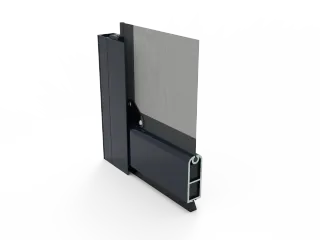
Fenetex screens use a patented dual-track system that resists wind and keeps the screen tight and in place. Unlike traditional zipper systems, Fenetex screens are engineered for durability, self-correction, and long-term performance—even in extreme weather conditions.
Can Fenetex screens withstand strong winds or hurricanes?
Yes. Fenetex offers hurricane-rated screens, MaxForce, that can be engineered to meet local building codes and tested to withstand wind speeds up to 185+ mph. One-Track can withstand Winds Up To 100 mph. They're ideal for protecting patios, lanais, and outdoor living spaces in storm-prone areas like Florida.

What types of screens are available from Fenetex?
Answer:
Fenetex offers multiple screen options to fit different needs:
Bug Screens – Keep insects out while maintaining airflow.
Solar Screens – Block UV rays and reduce heat and glare.
Privacy Screens – Add seclusion with tinted or opaque materials.
Hurricane Screens – Provide structural protection during storms.
All screens can be interchangeable in the same frame system.
4. How are the screens controlled?
Fenetex motorized screens are powered by a quiet, remote-controlled motor. You can operate them with a handheld remote, wall switch, or even integrate them with your home automation system, depending on your setup.

Is there a warranty on Fenetex screens?
Yes. Fenetex stands behind its craftsmanship with one of the best warranties in the industry. Depending on the type of screen, there are warranties on the motor, frame, and fabric, and the welded keder attachment is backed by a lifetime warranty.

FLO... CREATING LUXURY OUTDOOR
Work requiring DBPR licensure in partnership with CGC1532839
MOTORIZED SCREENS
Warranty
FENCE
Horizontal Fencing
Greenwood Fence
PERGOLAS
Azenco-Outdoors
R-Blade Motorized Louver Roofs
R-Shade Insulated Roof
COMPANY INFO
About FL Outdoors
FL Outdoor News
Service Area
FAQ
IMPORTANT INFO
SERVICE AREA CENTRAL FLORIDA
Mount Dora
Longwood
Maitland
Seminole County
Windermere
Lake Nona
SERVICE AREA PALM BEACH
Boca
Boynton Beach
Delray Beach
Jupiter
SERVICE AREA BROWARD COUNTY
Fort Lauderdale
Deerfield Beach
Light House Point
Plantation
South West Ranches
SERVICE AREA VOLUSIA COUNTY
Daytona Beach
Edgewater
Orman Beach
Port Orange
SERVICE AREA FLAGLER
Beverly Beach
Bunnell
SERVICE AREA BREVARD
Merritt Island
Satellite Beach
Melbourne
PALM BAY
STAY CONNECTED


Facebook
Instagram
X
LinkedIn
Youtube
TikTok
Pinterest